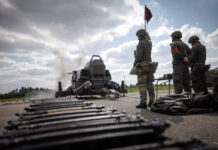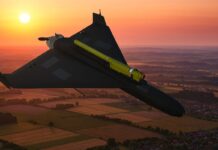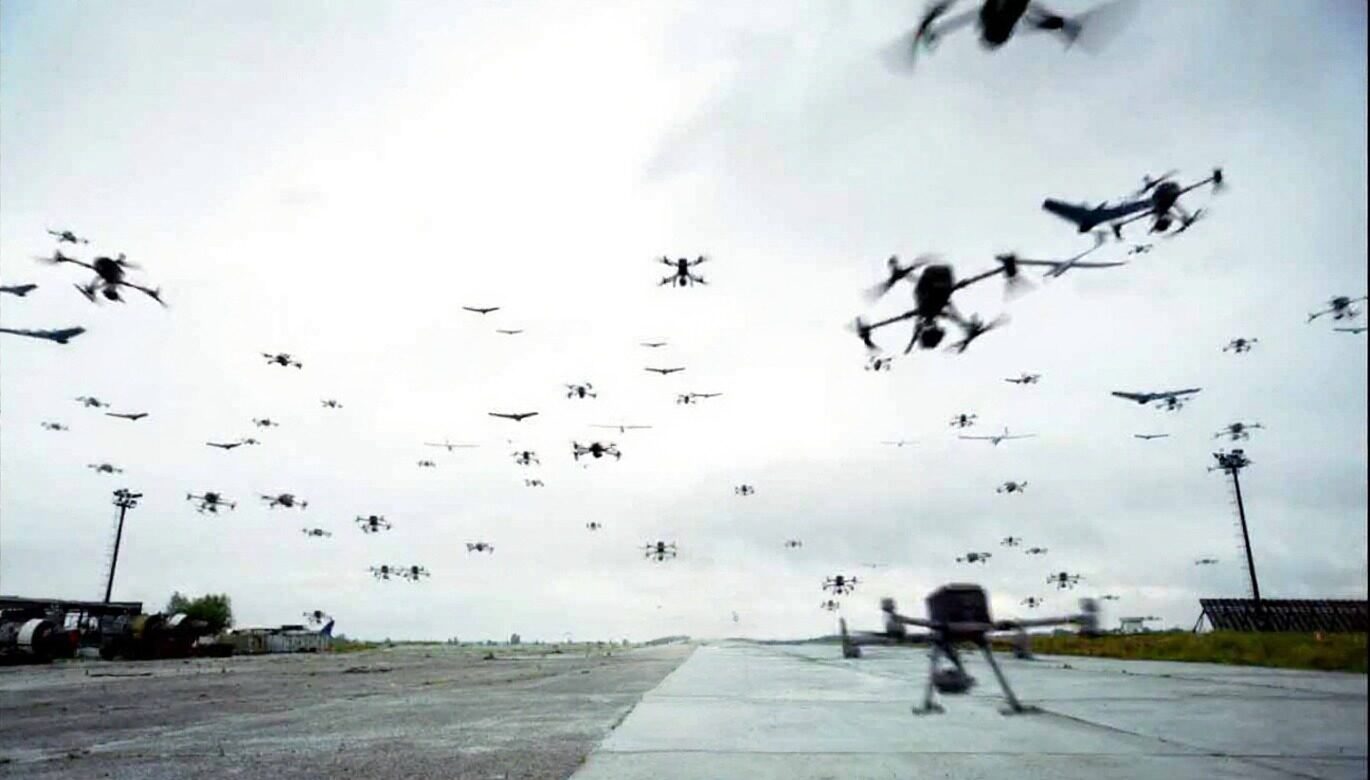
Known as the EU Drone Wall and now referred to as the European Drone Defence Initiative (EDDI), the system is defined as a multi-layered network that should be able to detect, track and neutralize enemy drones. At the same time, precision strike capabilities are to be enabled by advanced drone platforms. It is to be launched in the first quarter of this year, reach its first operational capability by the end of the year and be fully operational by the end of 2027.
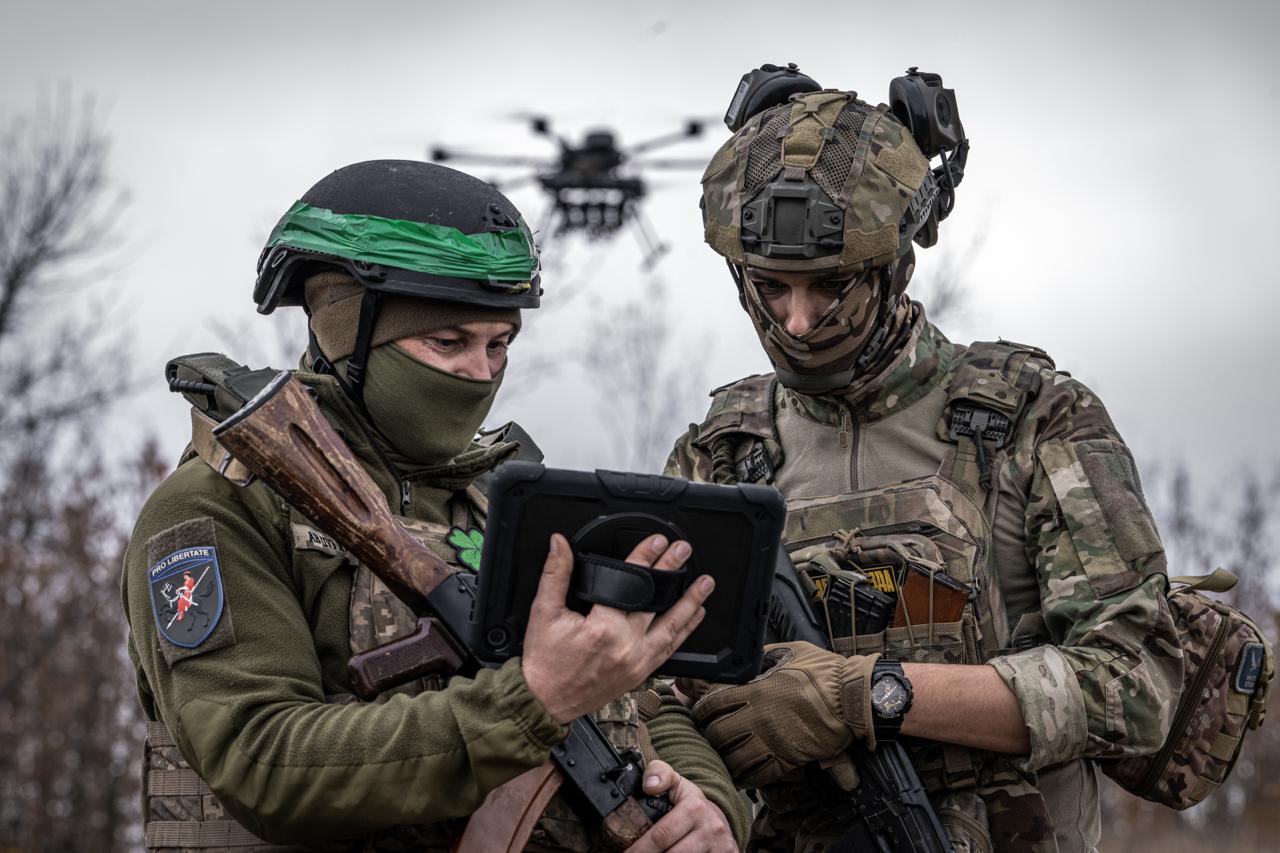
Originally intended for the countries along the EU’s 4,000-kilometer eastern border, other EU countries have now also shown interest in the initiative.
Military There is now a paper from a country on the EU’s eastern border that provides an exact breakdown of the elements, their number and the costs of the drone wall planned there. The figures given here apply to a length of 100 kilometers and a depth of 15 kilometers. This corresponds to the area of responsibility of a brigade. There are around 5,000 soldiers in a brigade, divided into several battalions and companies with special functions that report directly to the command.
The components of the wall
Structurally, the drone wall is to consist of several key elements: A sensor network, combat drones in the air (UAVs), on land (UGVs), and at EU sea borders also on the water (USVs). In addition, there is a multi-level countermeasure system and a C4ISR command and control information system.
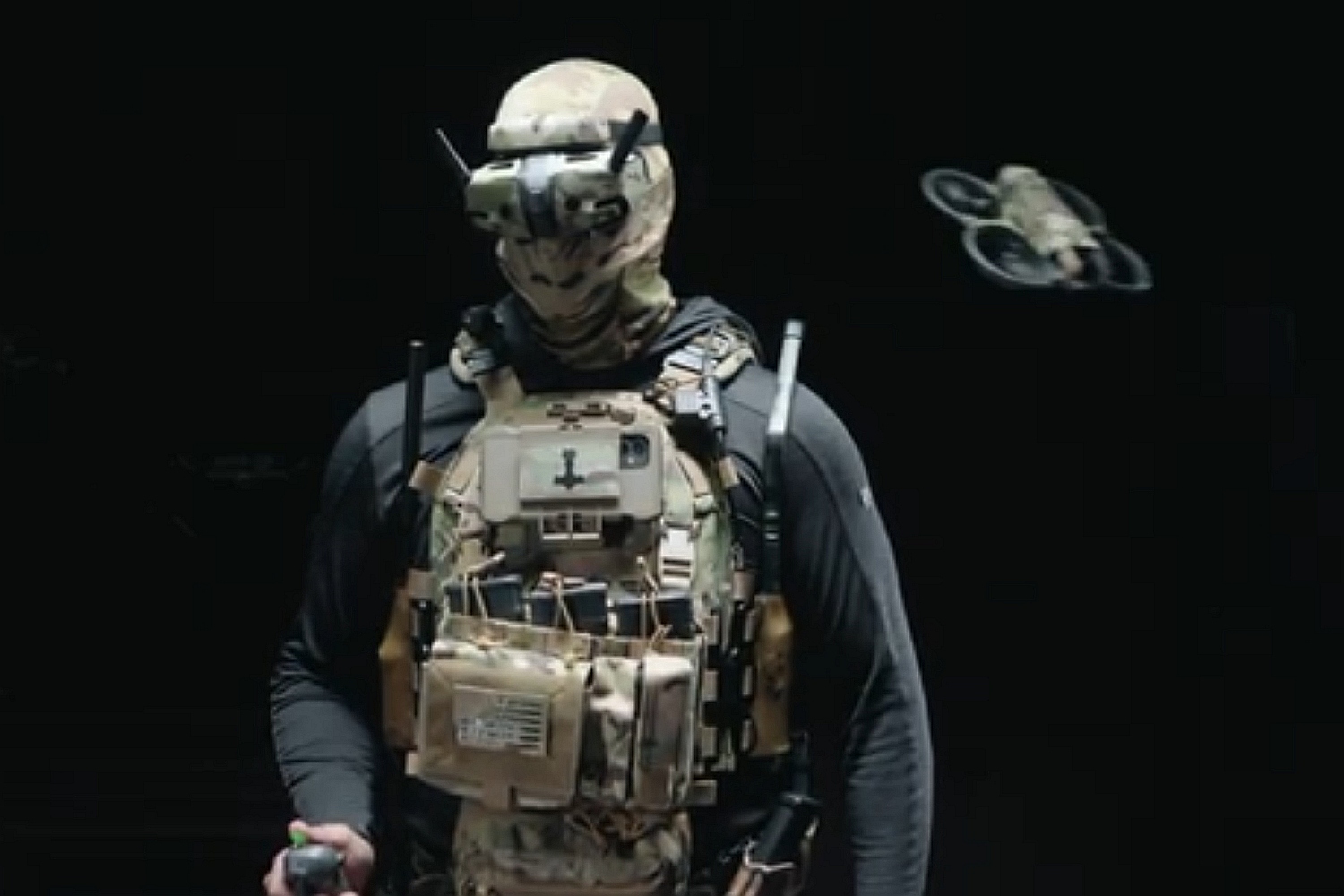
The drone elements of the wall in particular are significantly influenced by the experiences of Ukraine, both in terms of their organization and material requirements (-> Baba Yaga – Ukraine’s feared attack drone). Close cooperation with air defense is also necessary.
Multispectral sensor network with AI
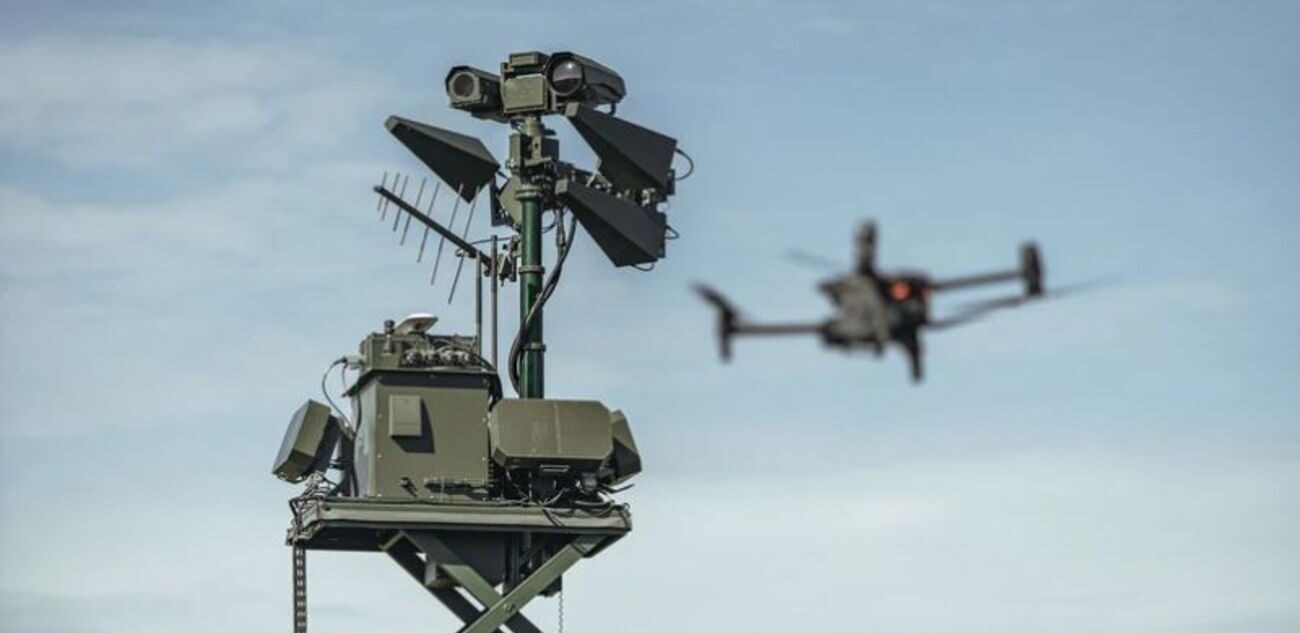
The basis of the drone wall architecture is a network of different sensors based on the principle of “see everything, all the time”. The aim is to provide accurate and continuous information about the presence, movements or activities of the enemy at any point along the border as early as possible. Artificial intelligence plays a central role in the continuous evaluation of the countless sensor data for the required reaction speed.
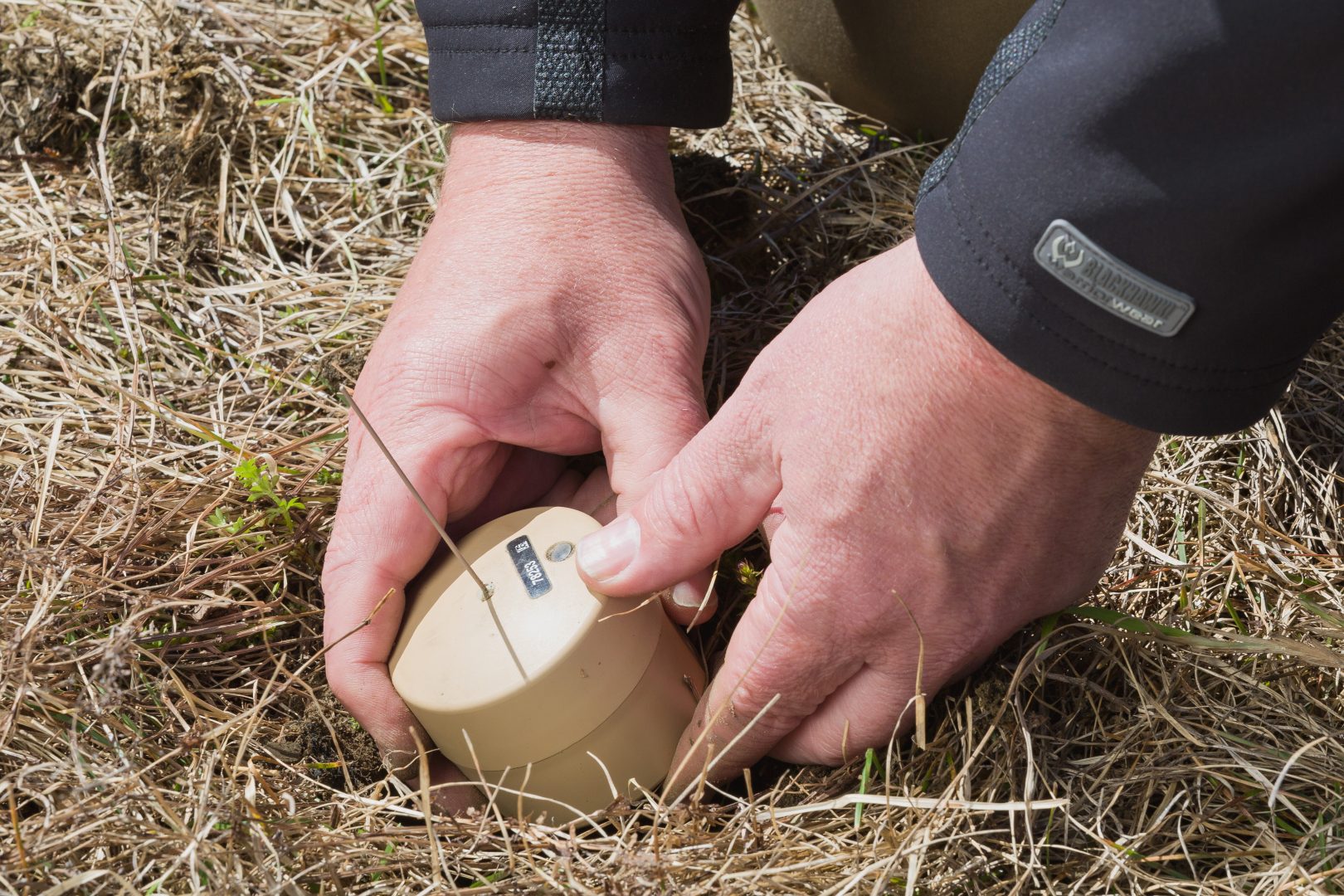
Acoustic sensors
They passively detect low-frequency air vibrations such as engine noise, the sound of wheels and chains, drone rotors or gunshots. With the help of artificial intelligence, they recognize objects based on their acoustic signature, for example by distinguishing the movements of animals and people from those of vehicles or small drones. These sensors are particularly important at night and in poor visibility or dense vegetation, as optical sensors then only have a limited range. According to the paper, 600 devices are planned for every 100 kilometers.

Seismic sensors
These detect ground vibrations caused by infantry, wheeled or tracked vehicles. They are particularly effective at detecting objects that are well camouflaged and move silently. There are 400 of these seismic sensors per 100 kilometers.
The AI analyzes the strength, direction and speed of movement, making it possible to predict exactly when and where a threat is approaching. Seismic networks can be laid underground and operate regardless of visibility or signal interference.
Electro-optical (EO) and thermal imaging (IR) modules
Electro-optics provide high-resolution images that can be used to precisely observe the shape of objects, their direction of movement and their surroundings. IR modules register heat signatures, allowing targets to be detected regardless of lighting or camouflage. EO/IR usually works synchronously, enabling continuous surveillance regardless of the time of day or weather conditions.
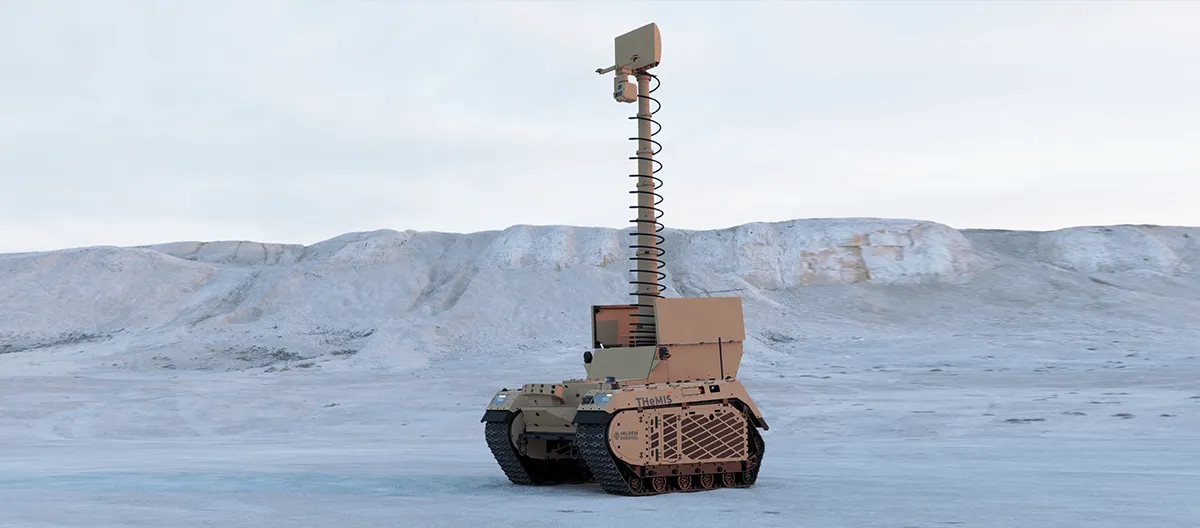
With the help of artificial intelligence algorithms, these sensors can automatically identify and classify objects based on their contours, movement dynamics or thermal profile. Devices from Teledyne, Sierra-Olympia, AXIS, FLIR Systems and Optex are mentioned. This will involve 100 EO cameras and 200 IR cameras as well as 50 infrared light barriers per 100 kilometers.
Passive radio spectrum analysis

Passive RF spectrum analyzers are advanced devices for signal reconnaissance. Unlike active radars, they do not emit pulses, but analyze the existing signals – radios, drone control channels, relay stations, GPS spoofing, 4G/5G pulses and even WLAN networks.
Based on multi-channel RF spectrum analysis in real time, they enable precise triangulation – locating the enemy’s signal sources is thus possible with an accuracy of five to 20 meters. As specialists in this field, the companies CRFS, Aaronia and Hensoldt are named as specialists in this field.
The planned 60 passive RF spectrum analyzers per 100 kilometers form the basis for the next element of the drone wall.
Electromagnetic warfare
Electromagnetic attack (EA) is the most important means against cheap and massively deployed drone systems of the enemy. Devices in this category are capable of suppressing control and transmission channels, as well as GNSS signals for satellite navigation. EA systems can also emit electromagnetic pulses to damage or destroy the on-board electronics of entire swarms of drones. They are also capable of deceiving guided munitions with electromagnetic sensors by pretending to be false targets.
The devices named are Skylock 5G, Kvertz’s Skysec and Dedrone Defender. Here, too, there should be around 60 devices per 100 kilometers when fully operational.
Active radar systems
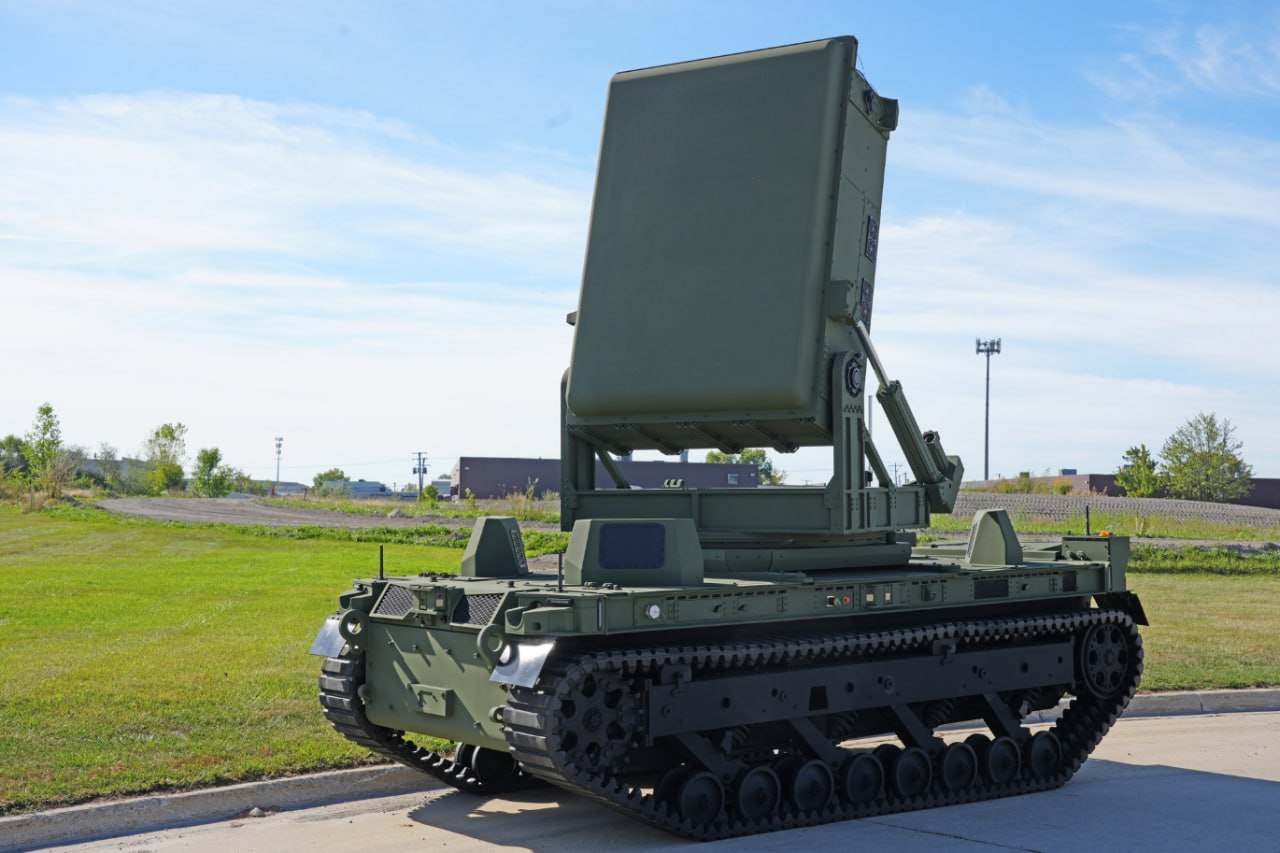
They are essential for the coordination of defense measures because they are the only type of sensor that can detect unmanned flying objects that do not emit communication signals, for example autonomous drones or devices with fiber optic control. They are the most important element for accurately setting target coordinates.
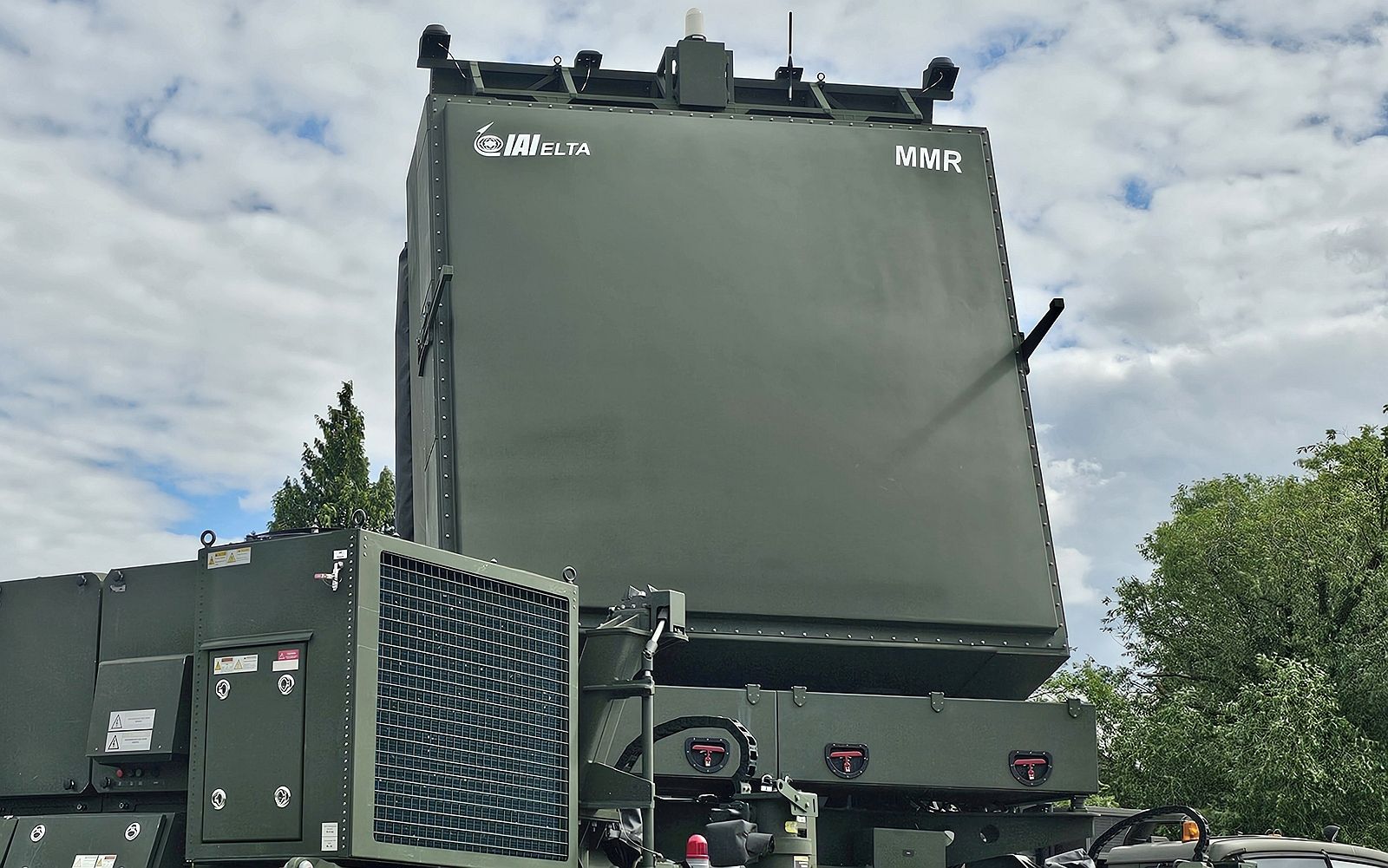
Radars such as Saab Giraffe 1X, Hensoldt TRML-4D, APS SkyCtrl or Echodyne Echoshield. These radars recognize a large number of objects and can automatically distinguish them from threats based on their signature. These include small drones, cluster munitions, airplanes, helicopters and even flocks of birds. The figure is 20 devices per 100 kilometers.
Situation recognition
All of the above sensors should be deployed in a multi-layered, sequential and dense configuration so that each area is covered by multiple sensors, taking into account the intensity of the threat, the terrain and the infrastructure. The sensor network should be connected to a common situational awareness platform (DELTA, Palantir, Sitaware) where the data is processed, classified and forwarded to the force in real time.
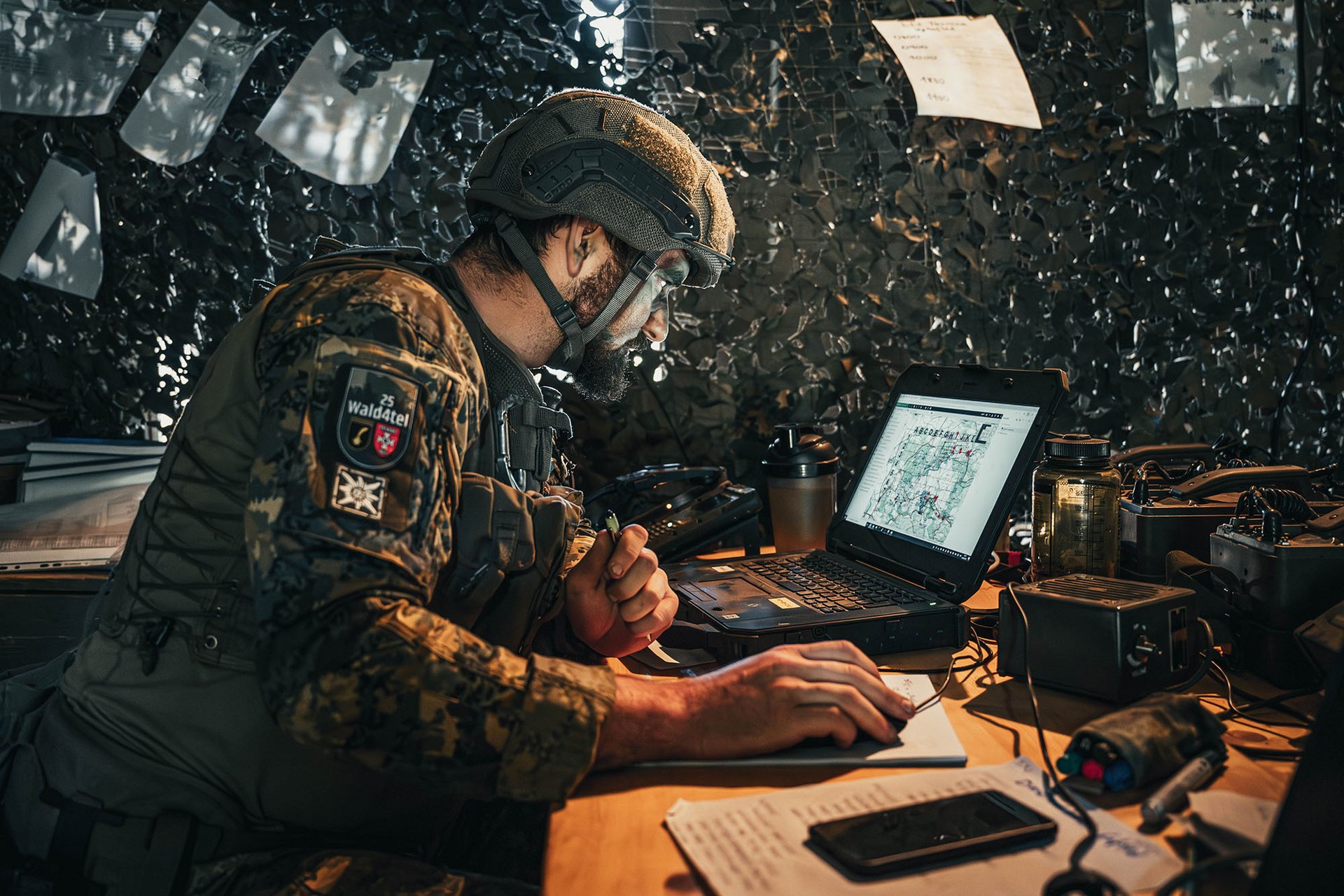
The costs for the sensor network described, including the necessary communication infrastructure and energy supply, are estimated at around 19 million euros per 100 kilometers. In the event of a mission, 20 to 40 percent of the devices are expected to fail every 30 days. In addition to the drone control technology, the equipment of the drone teams mentioned above also includes UHF/HF radios, Starlink terminals and power generators.
Multi-layered air defense system
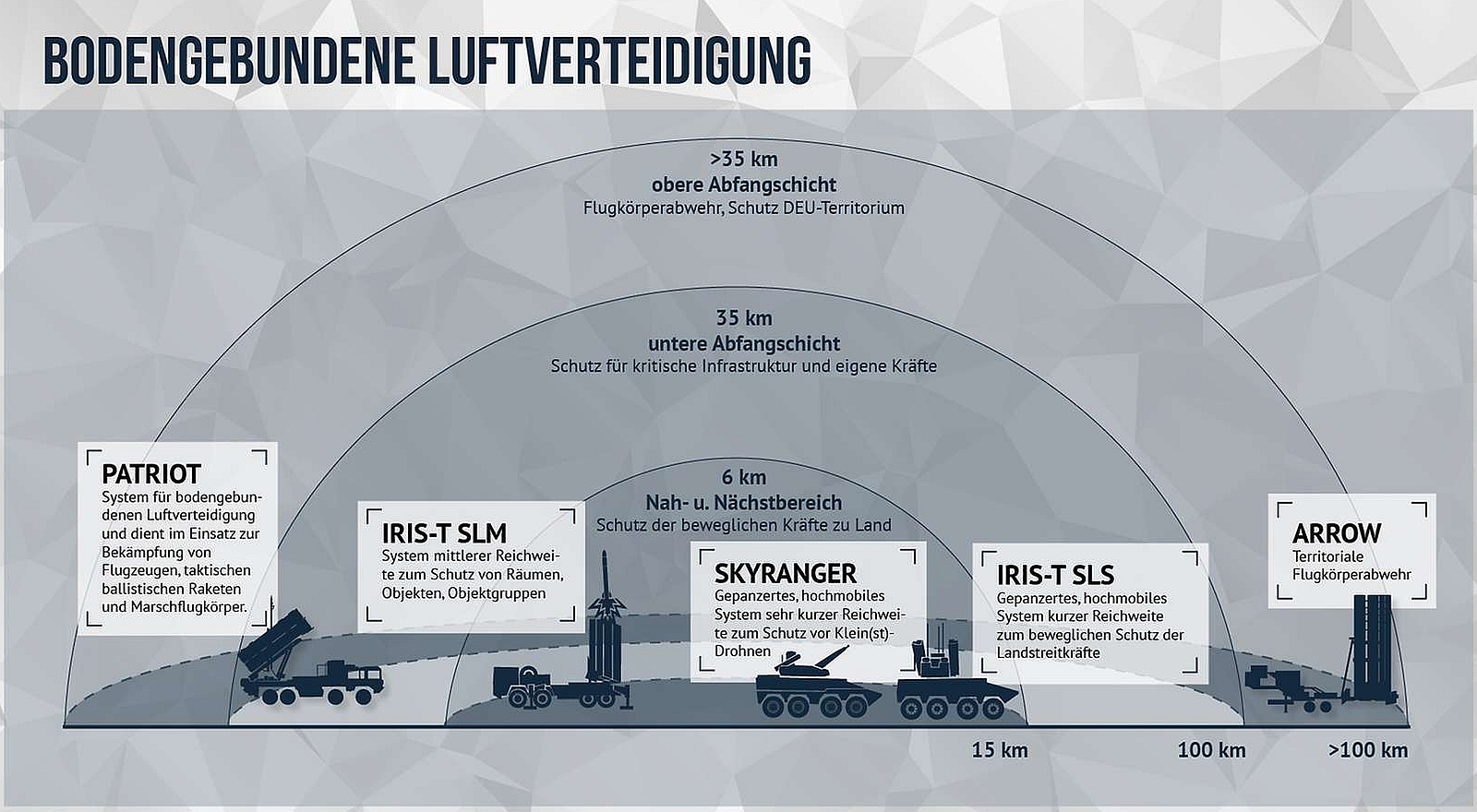
The already known air defense systems, which operate in several layers, such as close and short-range air defense as well as short, medium and long-range air defense, must be fully integrated into the C4ISR infrastructure of the drone wall. A highly automated decision-making chain is required – from the detection and classification of targets to the selection and implementation of measures. Artificial intelligence plays a decisive role and makes it possible to react to a high density of drone attacks in real time.
A “Blue Drone ID” system is also required so that each component of the air defense system is able to automatically identify friendly drones and not fight its own drones.
Hard kill systems
Interceptor drones (-> Interceptor drones: A new class of air defense) such as the Tytan Interceptor or other autonomous models based on artificial intelligence neutralize targets over populated areas. They are used as part of an integrated architecture.
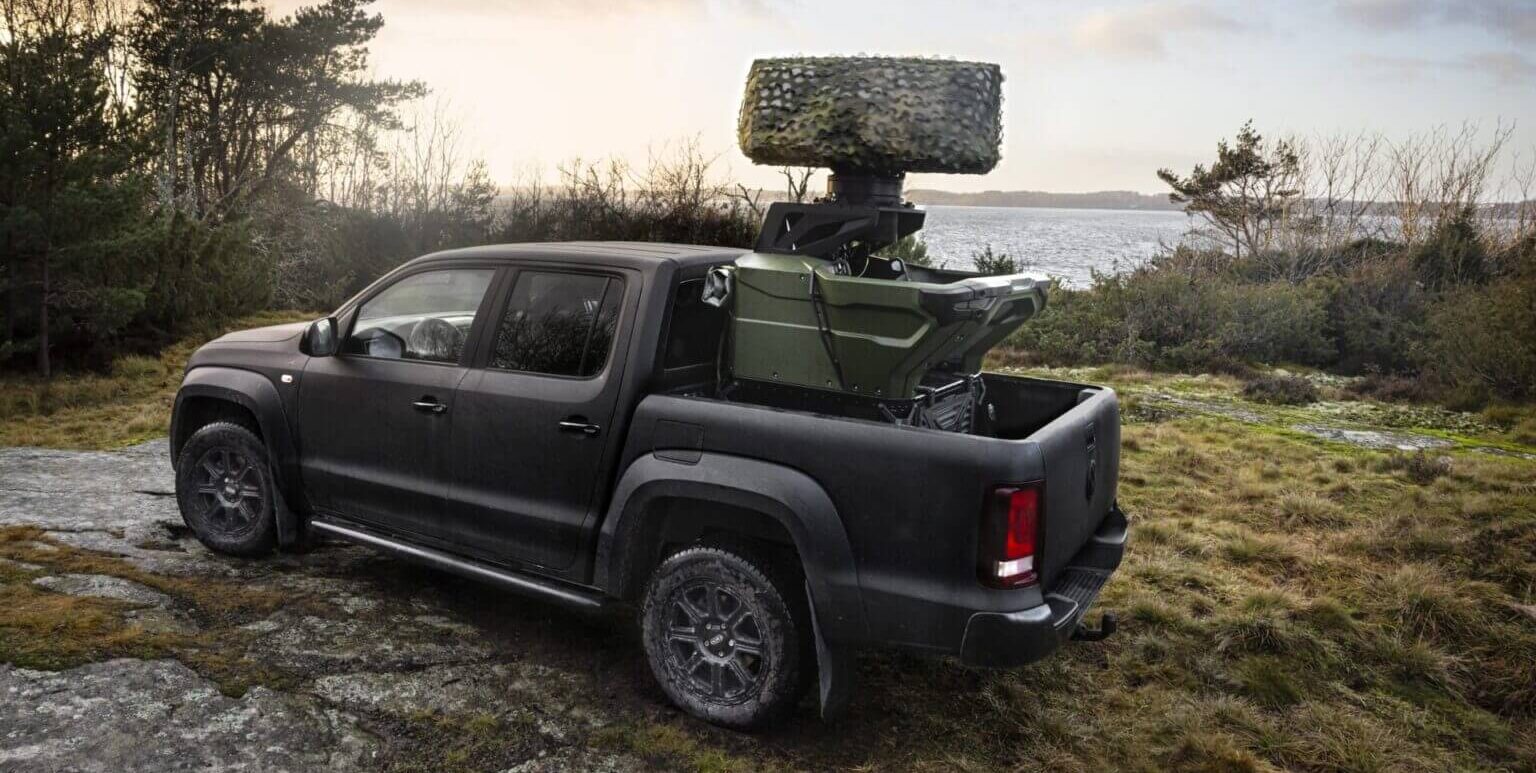
A mobile 3D radar (10 to 15 kilometer range), an EO/IR image analysis system and an AI-based decision module are used. The interceptor drones detect, track and destroy targets autonomously, even in the event of GPS interference or at night. Ideally, an interceptor drone should cost less than 5,000 euros. The systems should be available nationwide.
Jet-powered C-UAS systems such as the Raytheon Coyote Block 2 are able to operate at greater distances against focal points such as swarms of drones thanks to their greater speed and range as well as better sensors.
Systems such as Oerlikon-Rheinmetall Skyranger and Skynex protect critical infrastructure, airports and military units from high-intensity drone attacks.
Infantry systems such as portable grenade launchers with programmable ammunition or nets as well as improvised low-intensity solutions are suitable and cost-effective for tactical use. Directed energy weapons such as lasers and microwaves can thermally or electromagnetically damage or destroy drones. One example is Epirus Leonidas.
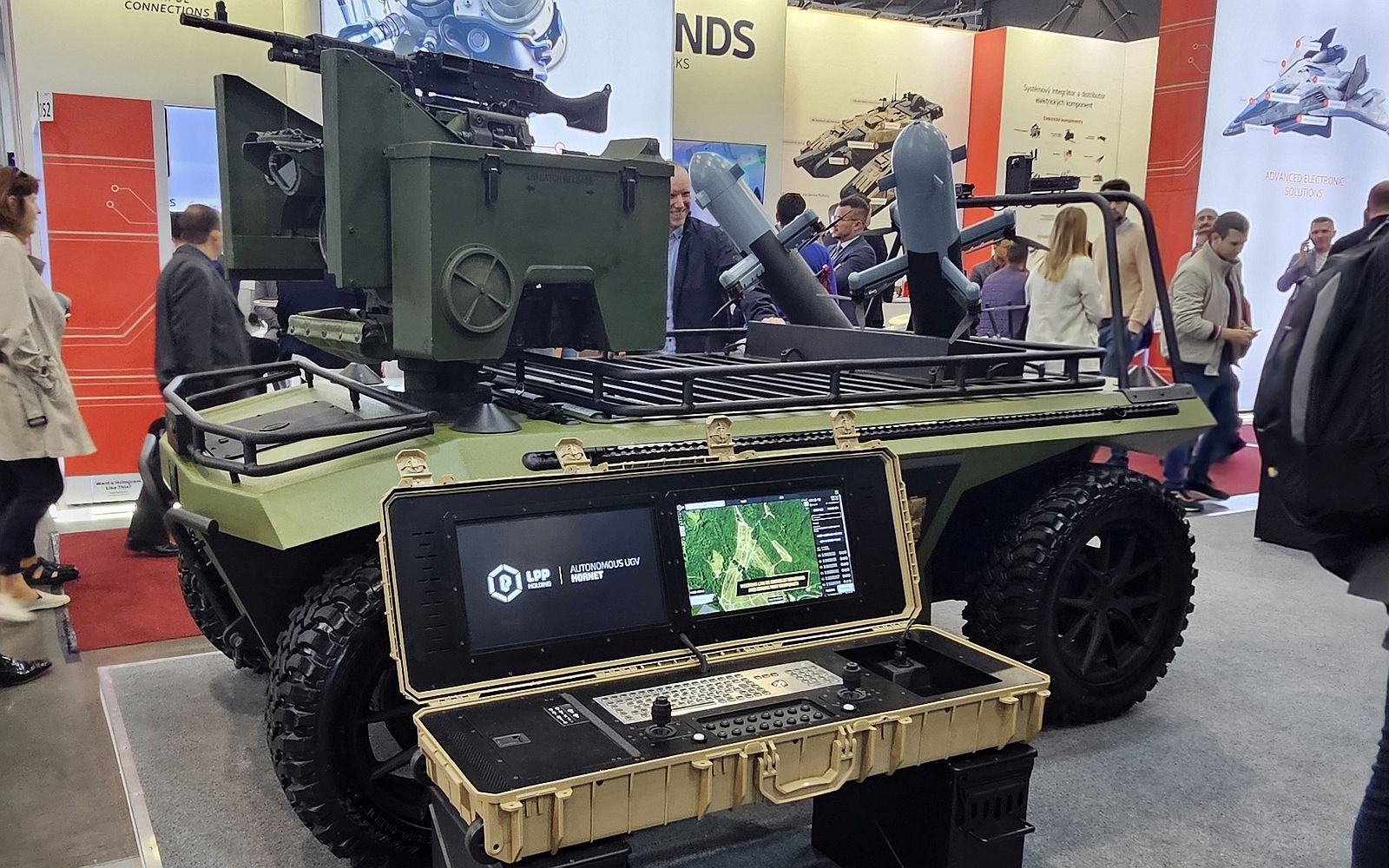
Autonomous interceptor drones with artificial intelligence are described as the future of UAV defense systems. They should be able to adapt to attacks from high-density drones.
Summary
The drone wall is a multi-layered advanced defence system with a focus on decentralized, automated and fast-responding structures based on sensor networks, unmanned aerial vehicles, artificial intelligence and autonomy at the tactical level. The system combines a wide range of technologies – in particular a multispectral sensor system with various unmanned systems with different ranges and effects.
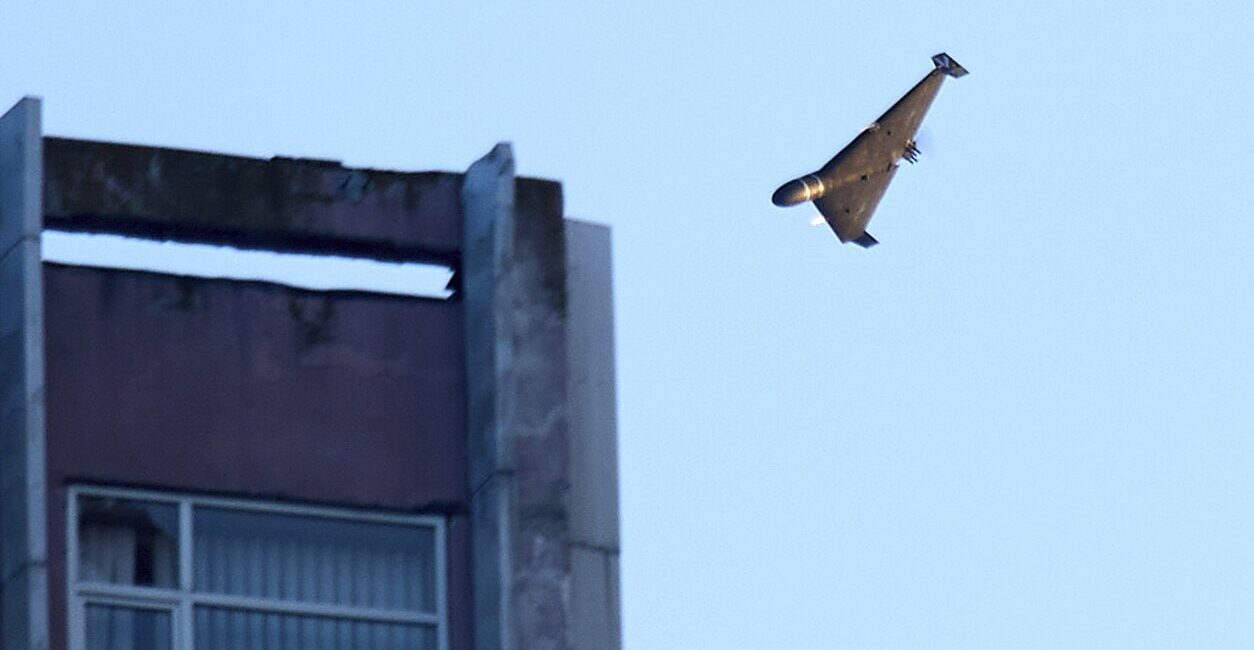
The drone wall works according to the logic of network-centric warfare. Here the emphasis is on speed, situational awareness and the ability to act faster than the enemy. It is mentioned that the drone wall is not a hypothetical concept, but a practical, implementable model whose components are already in use on the front lines in Ukraine and in Israeli defense structures.
Here to our drone topic area with all the latest news on the subject.