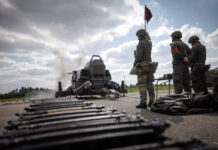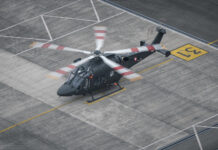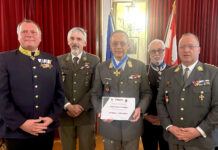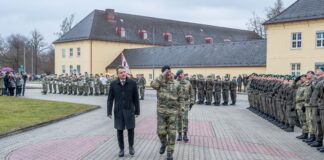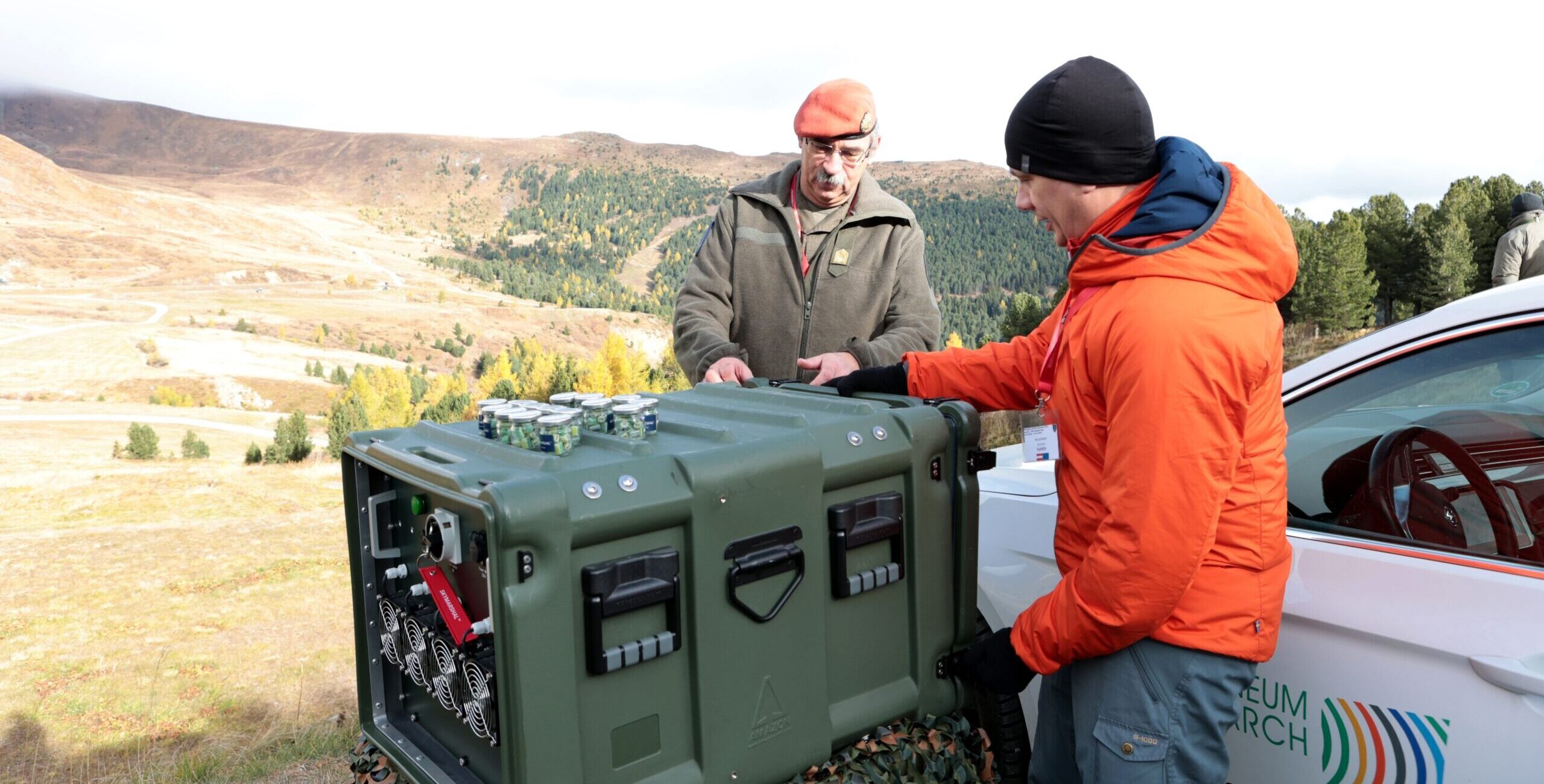
International partners from the military and civilian sectors came together at the Seetaler Alpe for the Navigation Warfare Exercise to test the effects of jamming and spoofing of GNSS frequencies, including GPS signals, on end devices. Militär Aktuell was there.
GPS signals, as part of the GNSS frequency spectrum, can be jammed relatively easily, as we learned on site from Brigadier Friedrich Teichmann, Head of the ICT & Cyber Security Center within Directorate 6 – ICT & Cyber. The reason for this is that the signal is already attenuated as soon as it is received by the end devices from the satellite. It therefore requires relatively little energy for jamming.
Firing with signals
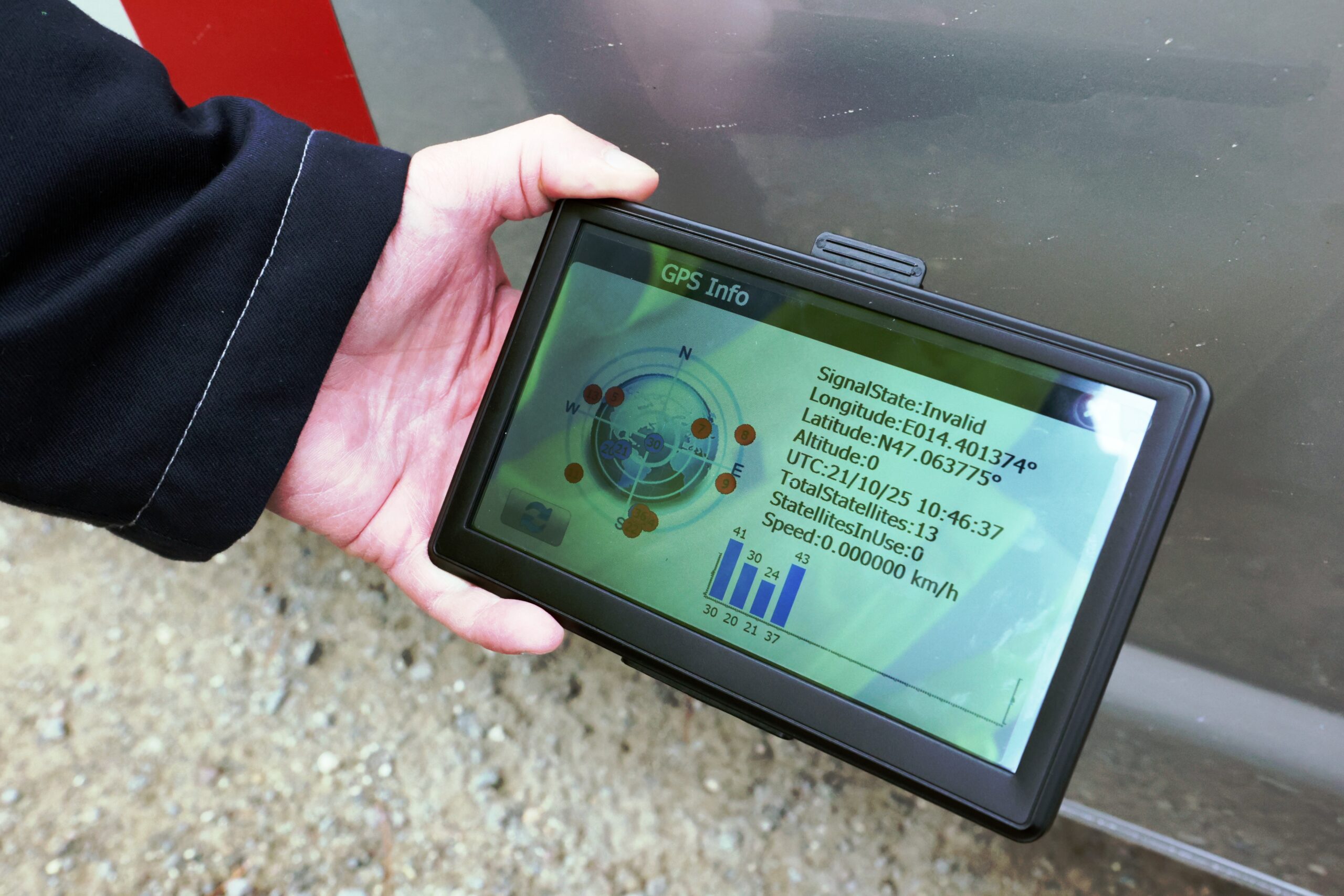
Spoofing is more difficult, explains Brigadier Teichmann. Here, the position and device data is faked with the help of software. A smartphone that you are holding in your hand can suddenly display a completely different GPS position on the screen in the command center, several kilometers away. Such “confused” devices are part of a horror scenario for both civilian and military users. Disturbed or distorted GPS signals have consequences for group leaders and drone pilots as well as – in the civilian world – in logistics, aviation and other areas.
F-16 erhält Next-Gen-Technik für elektronische Kriegsführung
What quickly becomes clear during the exercise: This is about technology that is used both offensively and defensively. Signals are used here, not bullets. For Brigadier Friedrich Teichmann, creating awareness of the problem is therefore one of the main objectives of the exercise. Another main focus is on establishing a risk picture in order to be able to make decisions on countermeasures. To this end, more than 20 electronic devices were “fired” with electrical signals during the exercise. These included civilian devices such as smartphones from Graz University of Technology. Modern devices can now provide very precise position data.
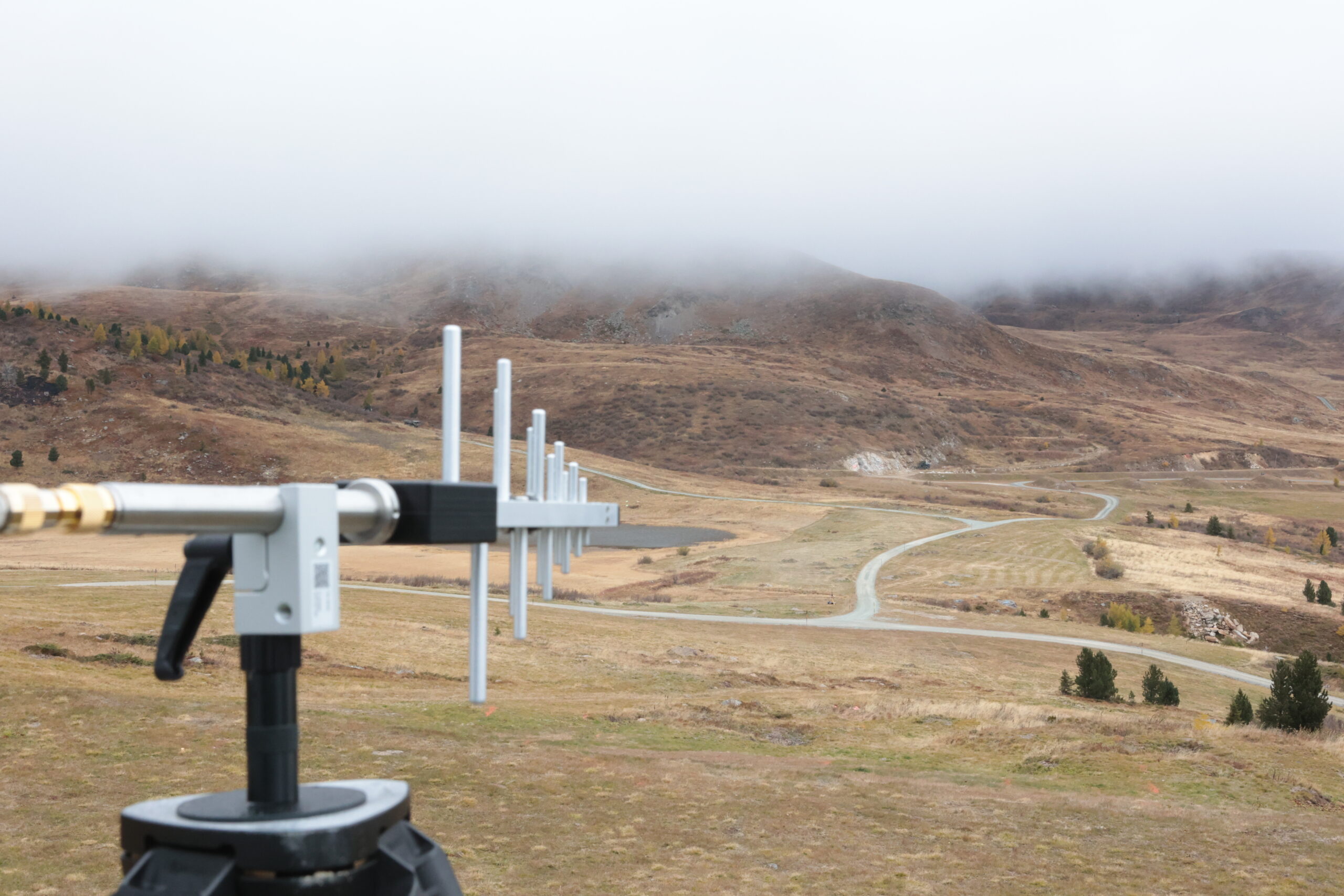
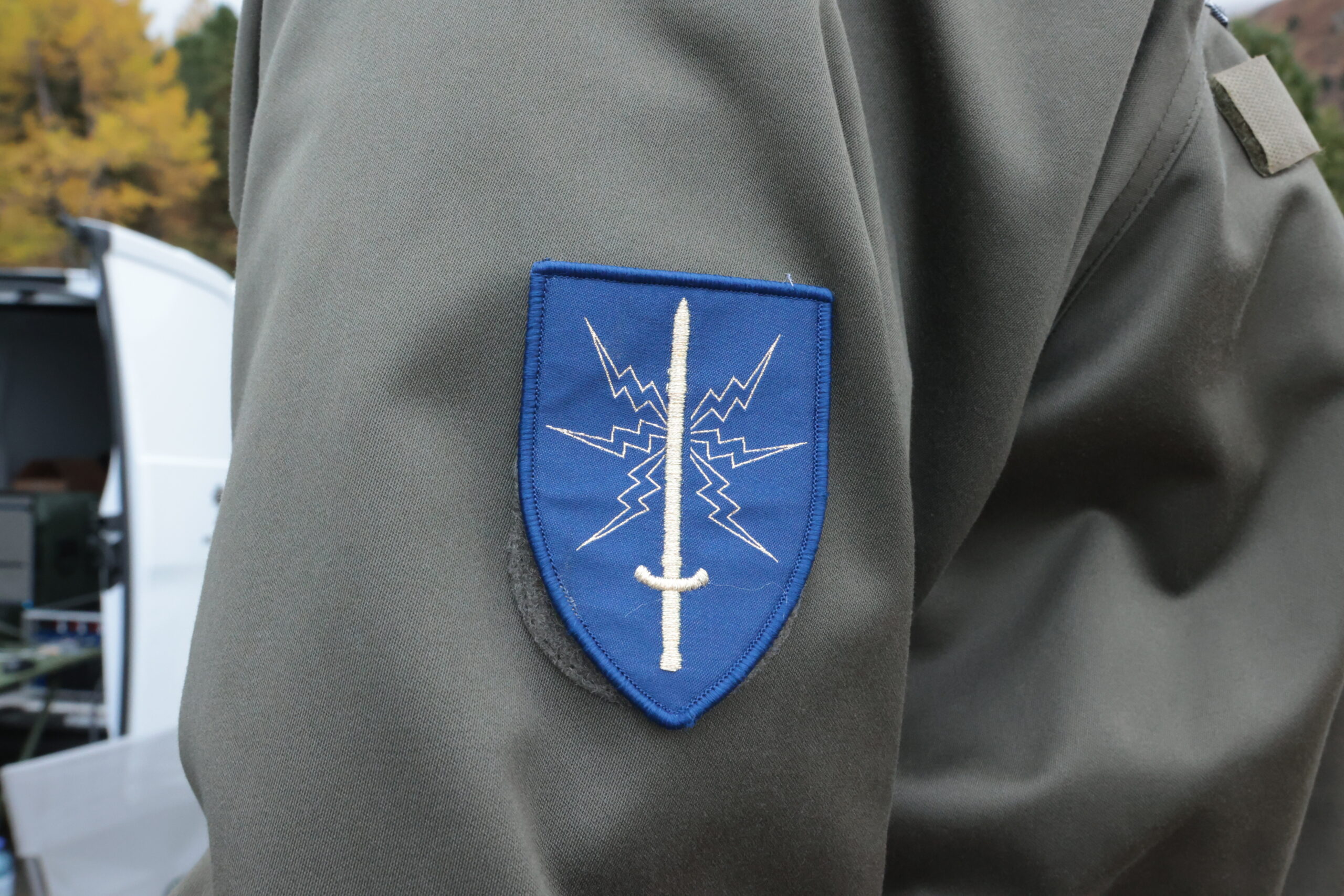
Tests were carried out in the frequency range of the global navigation satellite system GNSS in the short and long range. This simulates the transmission and interference power of combat in an urban environment (urban warfare) at 50 meters and in an open field at one kilometer. Numerous military and civilian sensors were available for data collection, ultimately providing a complete picture.
Current developments
The range of users at the Seetaler Alpe military training area was correspondingly broad and international. In addition to military representatives, for example from the German Armed Forcesthe exercise was also deliberately opened up to a number of civilians, including research groups from Graz University of Technology, FH Joanneum, the University of Trieste and the University of Ljubljana.
Dimetor, for example, is working with the Navsentry platform to create a comprehensive picture that can provide information about the overall situation, as we learn on site. Several thousand ground stations form a network to ensure that deviations in the GNSS spectrum can be detected and reported. There are also international EU and funding programs that are working on holistic solutions.
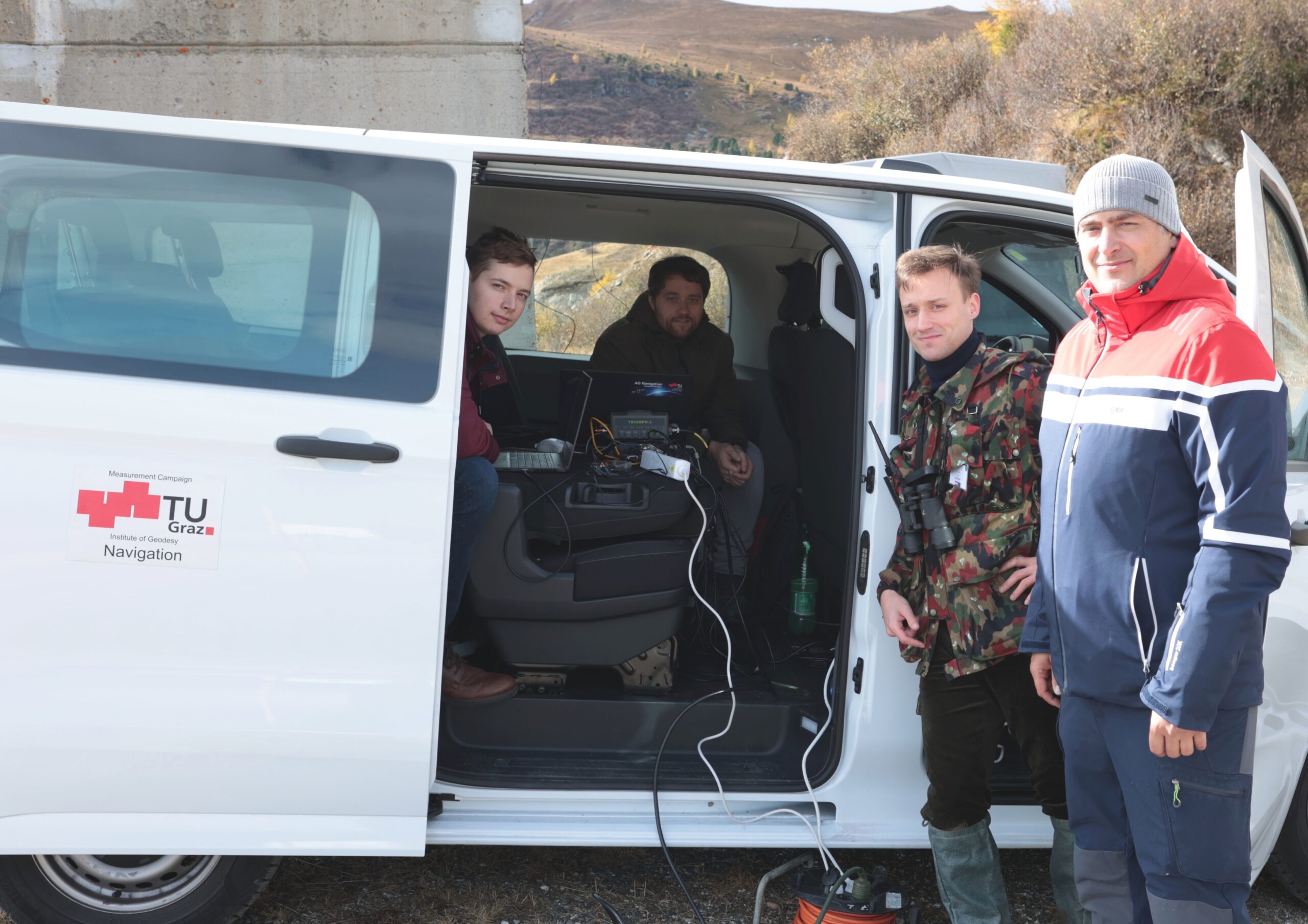
Project groups led by Philipp Berglez, Head of the Institute of Geodesy at TU Graz, took part in the data collection on site. In addition to measuring interference on the above-mentioned smartphones, research is also being carried out on a “Resilient PNT” network using AI detection, i.e. on securing position, navigation and timing (PNT) in the GNSS spectrum. Another dual-use aspect that the students are researching is the identification of spoofing activities.
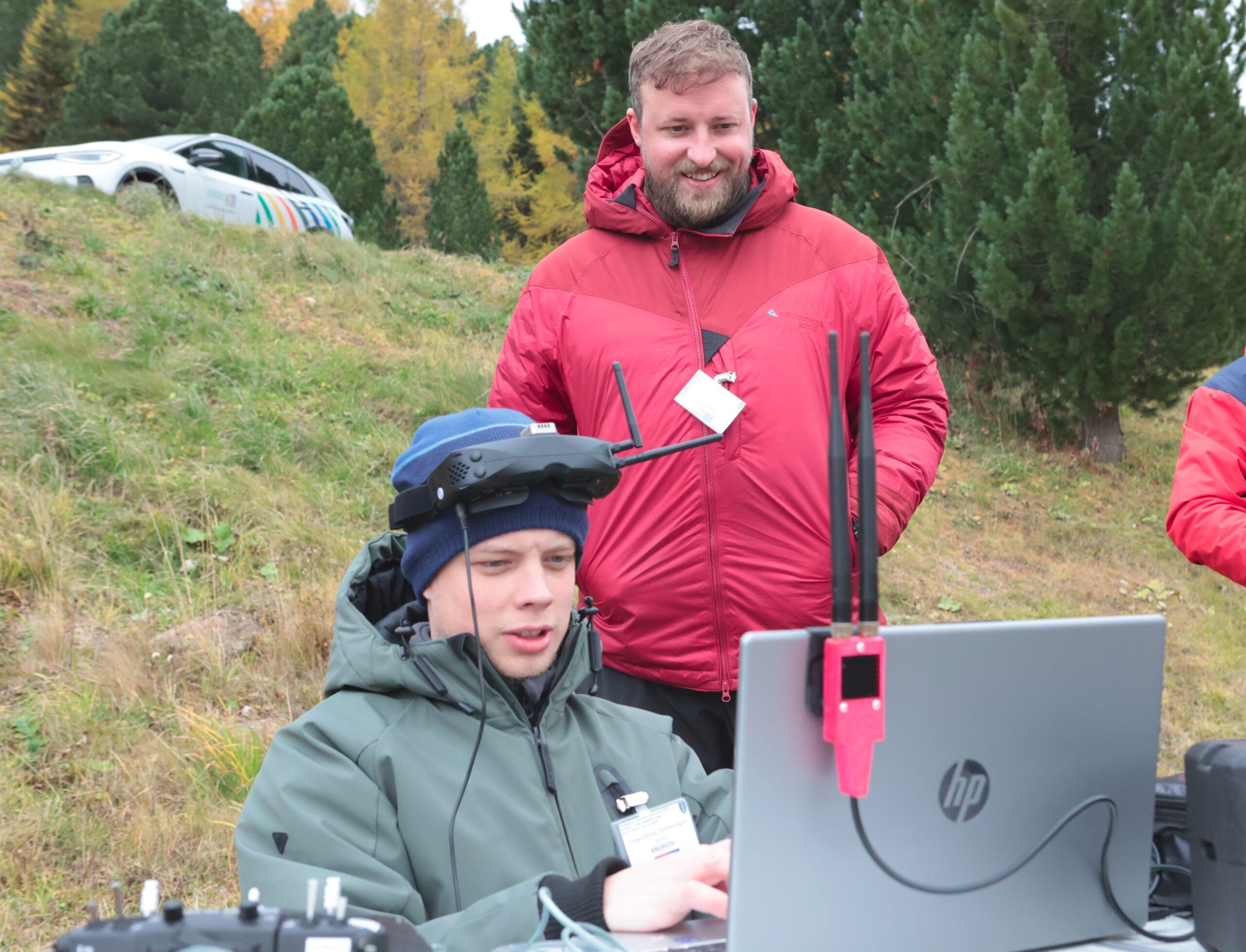
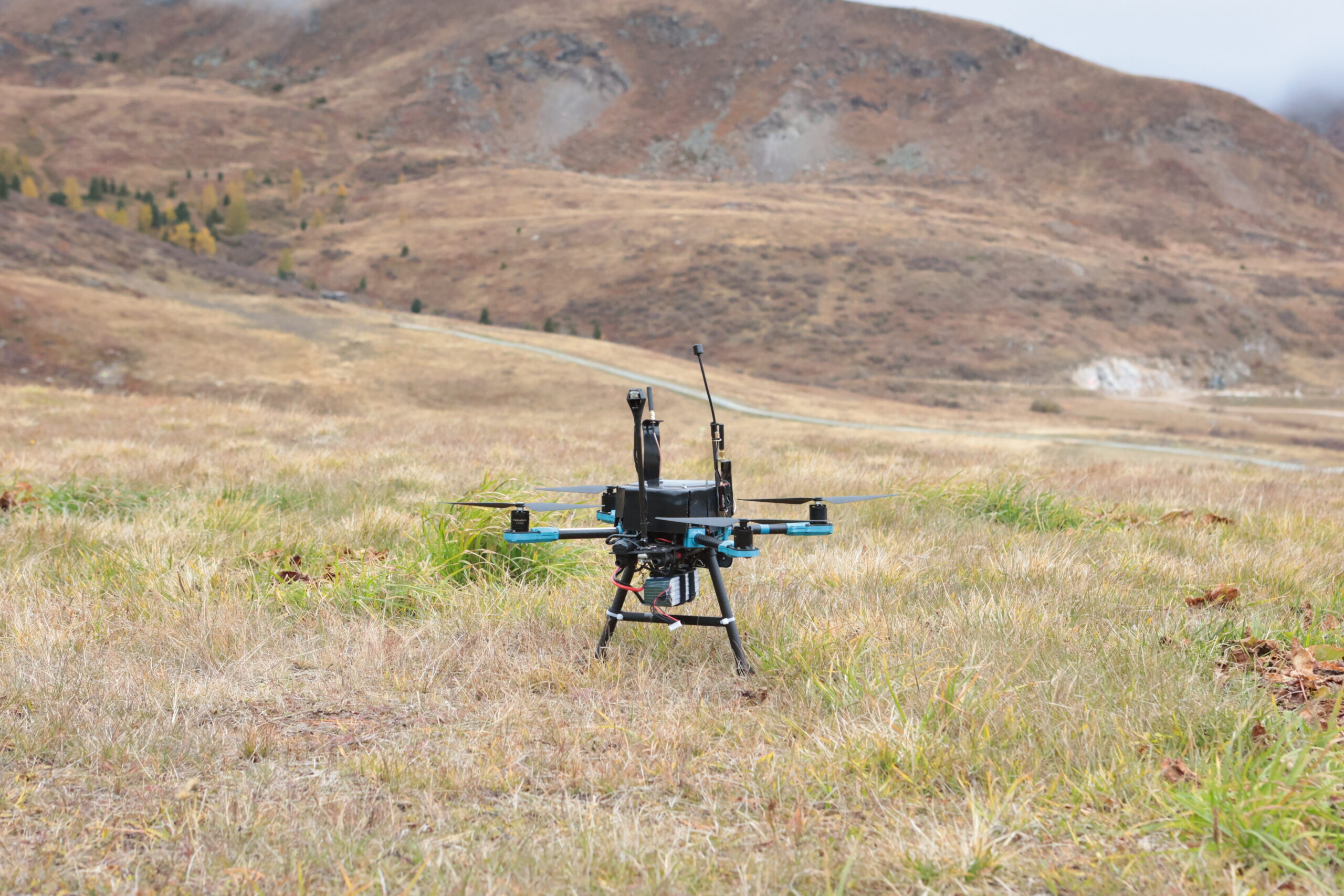
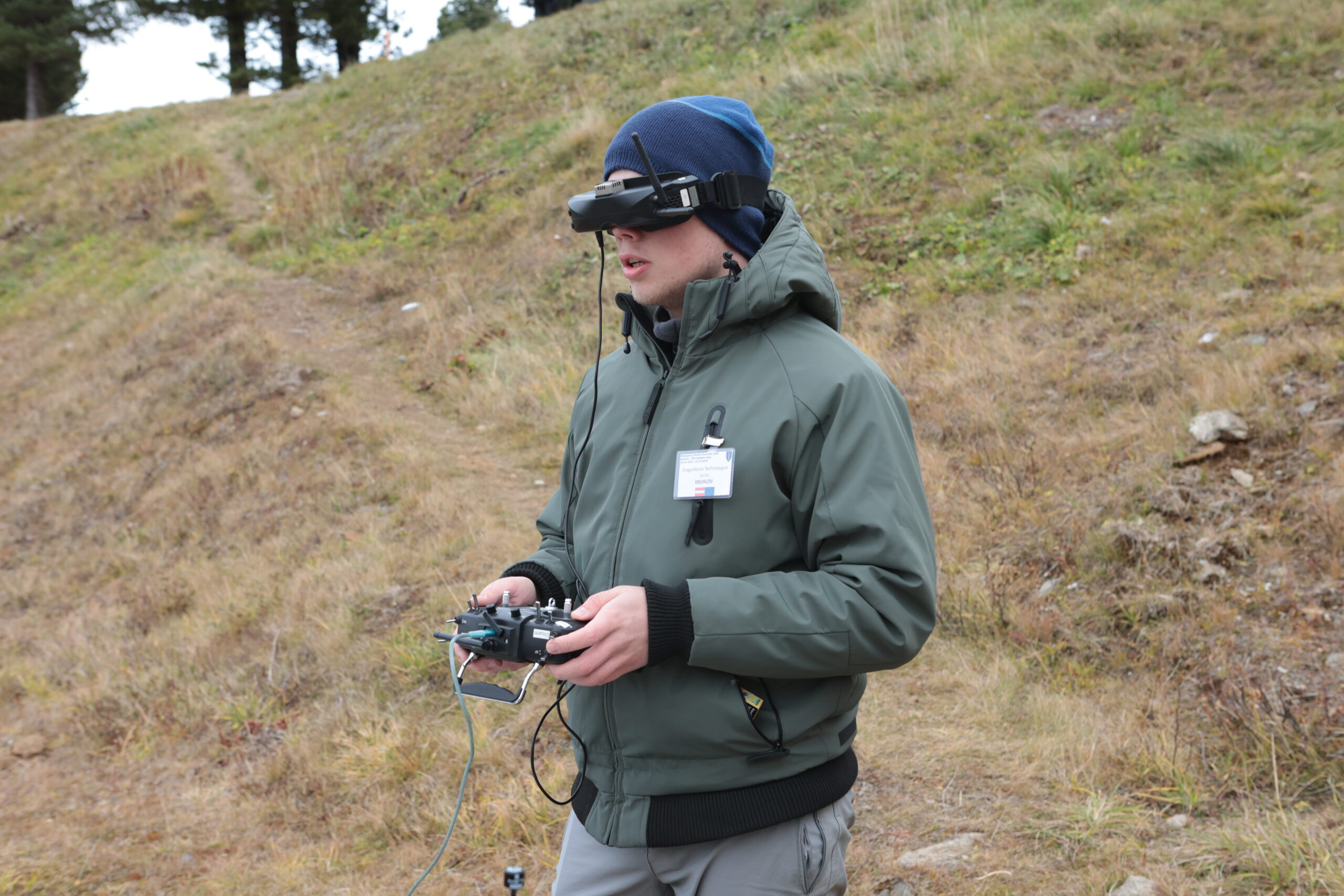
The Austrian defense start-up dForce Technologies is also part of the test series. Software-controlled autonomous flights are now also possible with small drones. The flight controller then only has the task of intervening in the event of possible system failures (-> More about the start-up dForce Technologies here).
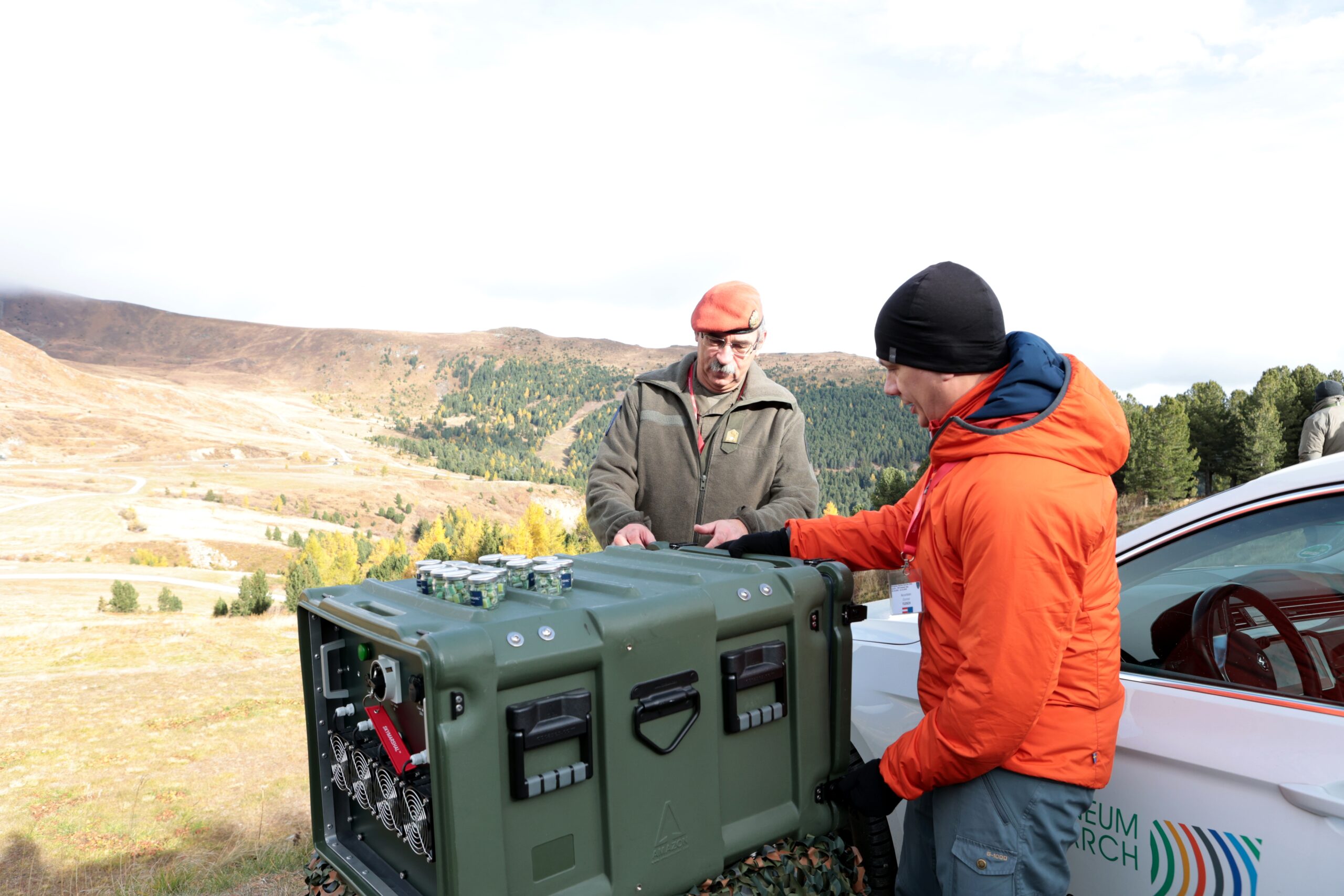
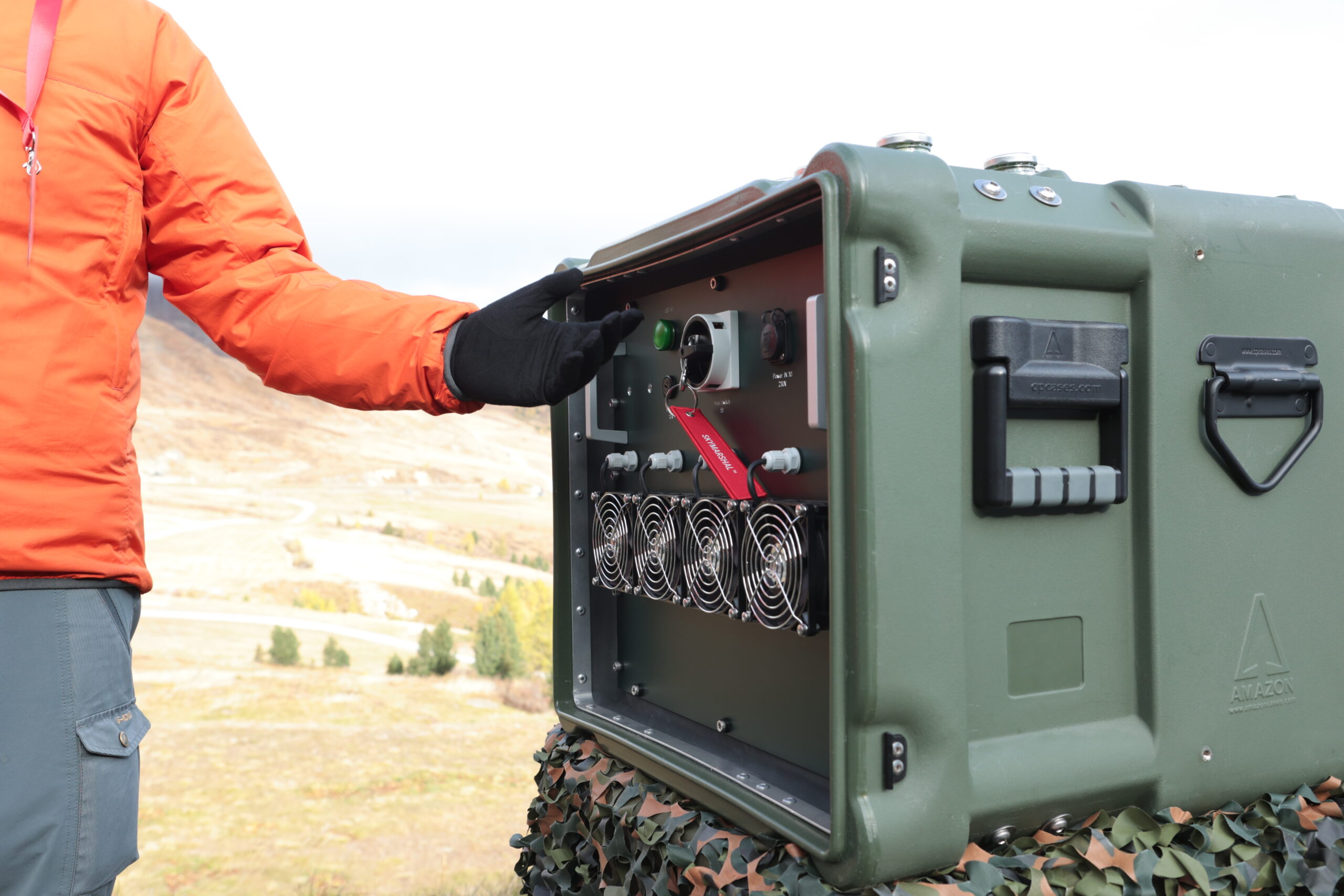
This was not the first time that the Accurision team had put the Skymarshal, an EloKa solution for large-scale jamming and spoofing, into operation on the Seetaler Alpe. The complete system is characterized, among other things, by its ease of use (switch on/off) and robustness (-> Read more in the interview with Accurision).

Conclusions
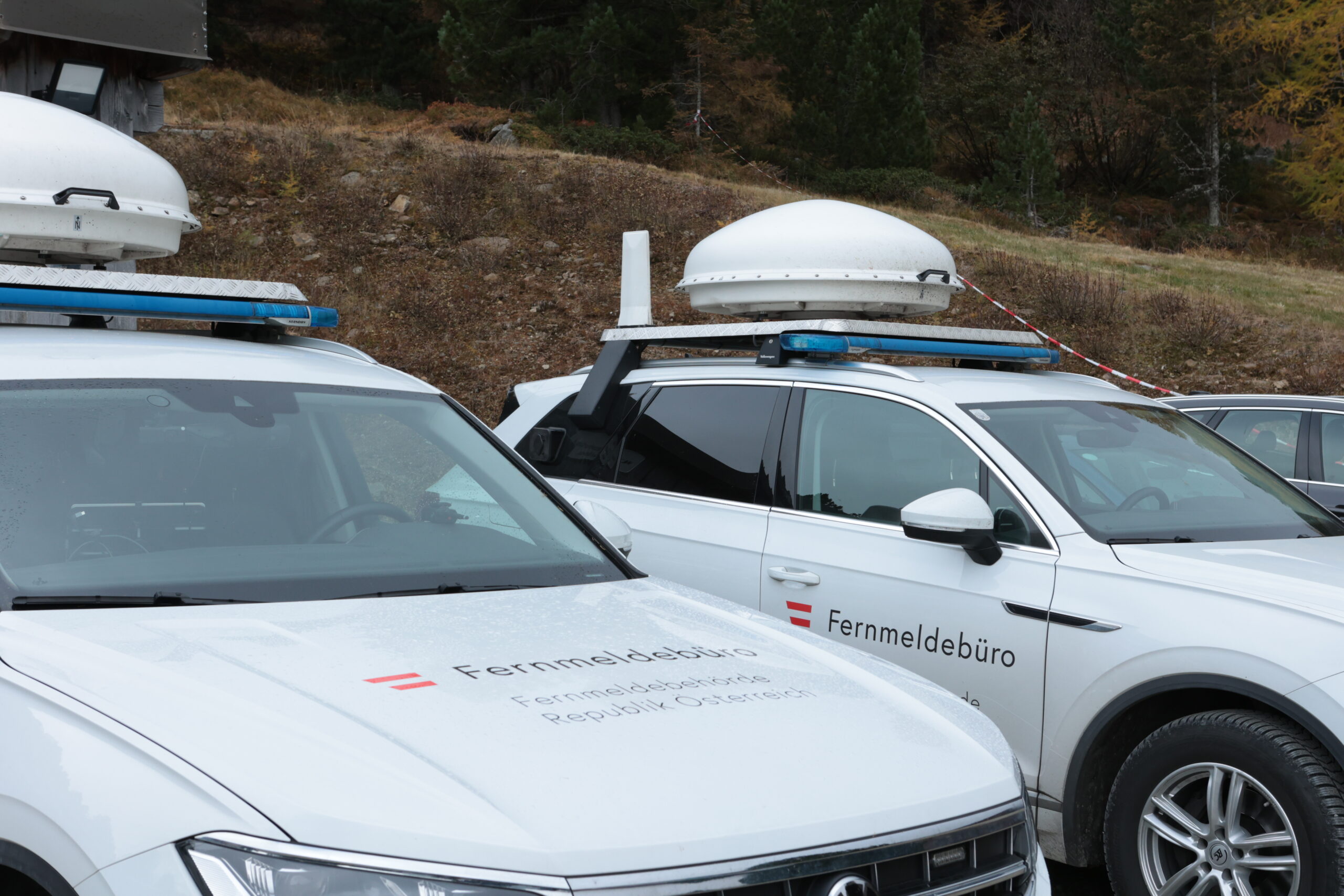
Jamming and spoofing, i.e. the suppression and deception of radio signals, is prohibited in Austria, which is why a special permit had to be obtained for this exercise. The telecommunications authority was therefore also on site to ensure that the requirements were meticulously observed.
Brigadier Teichmann was enthusiastic about the cooperation between the civilian and military levels on site. In addition to creating awareness of the fundamental problem of jamming GPS signals, offensive capabilities and an overall national approach also need to be discussed more intensively, the brigadier said in conversation. The relevance of facing up to the battle in the electromagnetic field is in any case – according to the impression among experts – to be classified as very high and urgent for both the military and the civilian world.
Here for further army news.