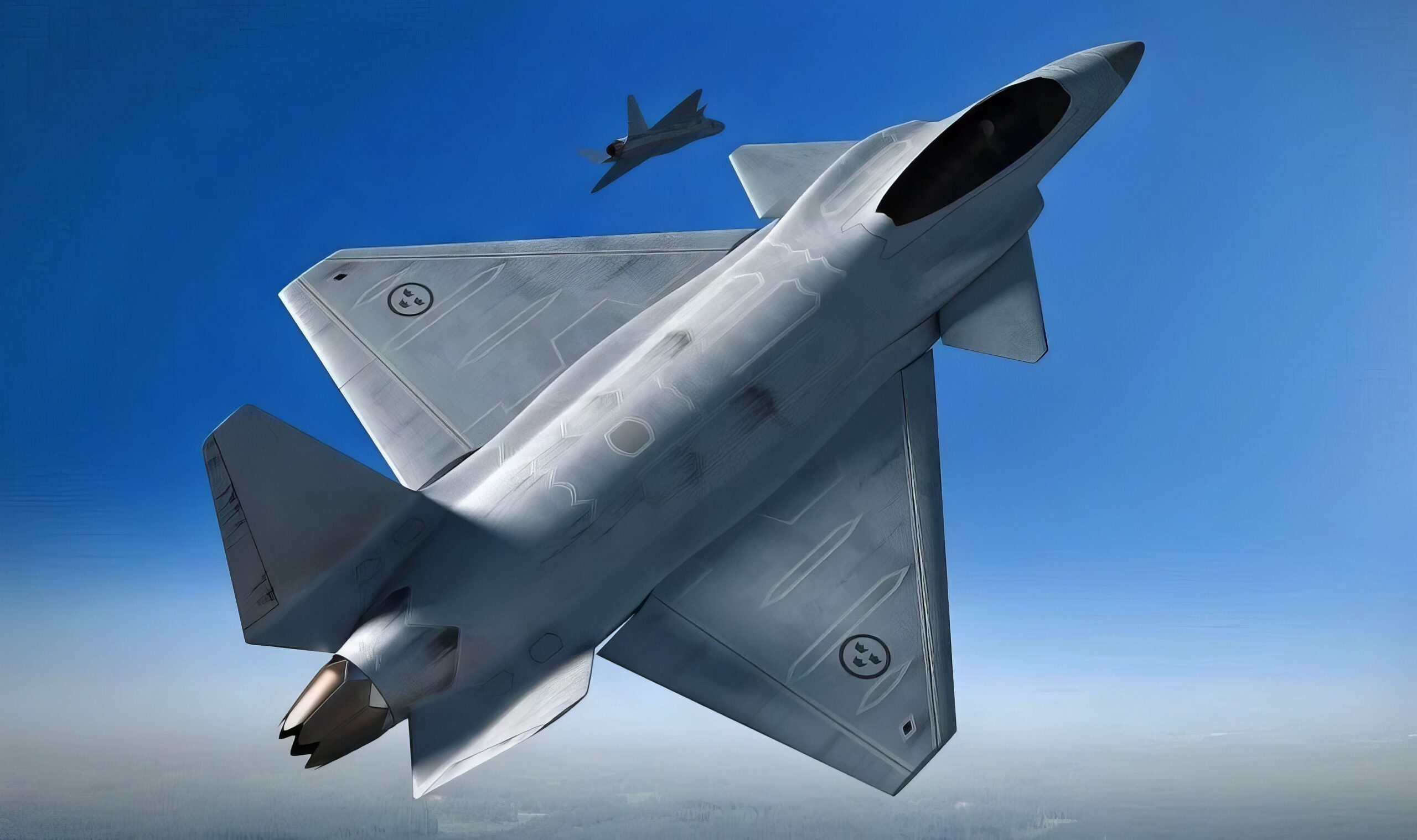
In parallel with the multinational FCAS and GCAP programs and the ongoing Chinese efforts (-> Will China win the race for 6th generation fighter jets?), Sweden and Saab are now intensifying their efforts to develop a 6th generation fighter jet. The project can certainly be described as ambitious.

It may initially sound like a David versus Goliath story when “little” Sweden (“David”) dares to go it alone with regard to a 6th generation fighter jet. Due to the billions in research and development costs, several “big” countries have joined forces with their industries (“Goliath”) in the current programs to implement corresponding systems (FCAS – Future Combat Air System with France, Germany and Spain and GCAP – Global Combat Air Programme with Japan, Great Britain and Italy) and Sweden was originally also part of such a program. https://militaeraktuell.at/6-generation-kampfjet-projekt-gcap-auf-schiene/
Exit from Tempest

In 2019, Stockholm joined the then still purely British “Team Tempest”, initially as an observer at a technical level and then formally in 2021. Since then, however, the conditions have changed with the integration of the Japanese F-X program (the X-2 Shinshin demonstrator was already flying there until 2018) and the renaming of Tempest to GCAP in December 2022 and then, above all, with the NATO-accession of Sweden as a result of the Russian war of aggression against Ukraine (-> current news from the Ukraine war) fundamentally shifted. The government then decided to go its own way after all and launched the KFS (Koncept för Framtida Stridsflyg) project in July 2023, for which Saab has now announced initial details.
“In view of current developments, Sweden has decided to strengthen its national defense capabilities and tailor them to its own needs,” says Peter Nilsson, Head of Saab Advanced Programmes, in an interview with Militär Aktuell. According to Nilsson, a significant step in this direction was an order that Saab received from the Swedish Defense Materiel Agency last March. This involves the development of comprehensive studies on manned and unmanned solutions for various technology developments, subsystems and demonstrators. “This comprehensive approach is intended to ensure that Sweden will continue to have a highly modern and effective air defense in the future.”
Technological innovations
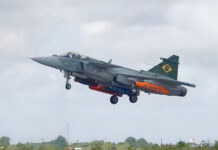
Admittedly, the KFS project is still at an early stage, but the plans are ambitious: 270 employees are already working on the project, including in around 150 active research and development projects. The first milestone is to be reached in 2026 with a flying demonstrator, and the program is initially budgeted until 2030. According to Nilsson, KFS will differ significantly from the current Gripen program – in whose capability growth investments will continue (-> New wings for the Gripen) – will differ significantly. The focus will be on low detectability, a high degree of autonomy and strong electronic warfare capabilities. A procurement decision is expected in 2031.
Still many unanswered questions
What Saab does not yet know – or does not want to say – is whether the design will be single or twin-engine, single or two-seater and optionally unmanned. The company has already tested several unmanned stealth concepts of a so-called “Loyal Wingman” in the wind tunnel in the past and could now take these up and develop them further. With this, Gripen E/F and the Global Eye multi-role early warning aircraft (five for the Emirates and now three for Sweden), the company is “in a strong development position” according to Lars Tossman, head of Saab’s Aeronautics division. To further strengthen this position, cooperation with innovative start-ups such as Helsing (-> Saab buys into Helsing) is to be intensified.
“IN OUR CASE, IT’S NOT ABOUT defeating Goliath, but about standing alongside it as David, and we see good opportunities for that.
”
Lars Tossman, Leiter des Saab-Geschäftsbereichs Aeronautics
Saab also intends to use innovation platforms such as the Swedish government’s Defense Innovation Initiative and NATO’s Defense Innovation Accelerator for the North Atlantic (DIANA). “We have the most advanced technologies and technical know-how at many levels to drive KFS forward. This will enable us to meet the future operational requirements of the Swedish Armed Forces and other customers,” says Tossman.
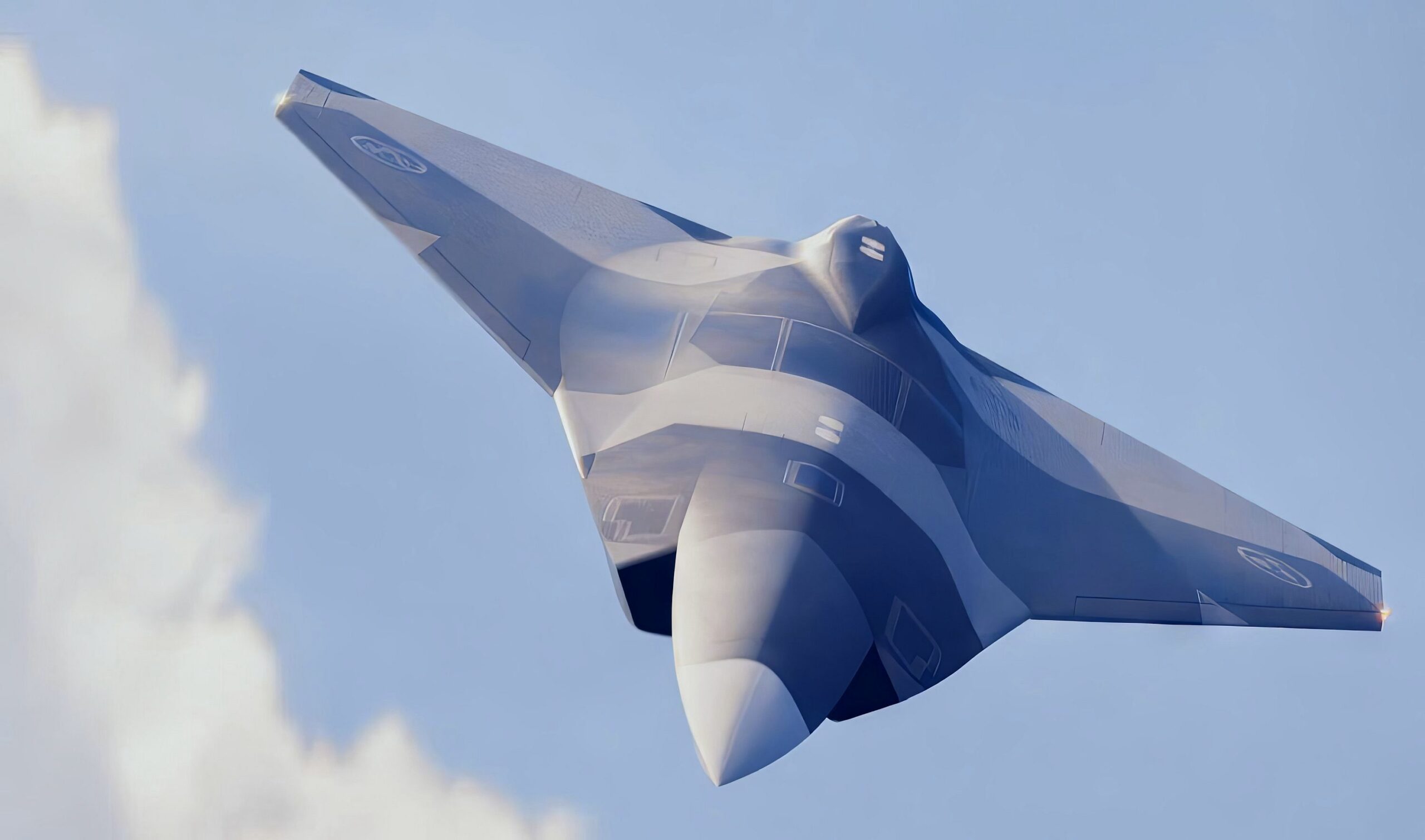
We want to know whether “little” Sweden is not overreaching itself. After all, the country only has ten million inhabitants and a manageable industry. In contrast, FCAS and GCAP are on a much stronger footing and even the NGAD program (Next Generation Air Dominance) being promoted by the USA is struggling with budget concerns and is being offset against the operational value of stealth combat drones. Tossman smiles. “You know the battle of David against Goliath?” The Saab manager continues: “Then you also know how the battle ended. But in our case, it’s not about defeating Goliath, it’s about surviving as David, and we think we have a good chance of doing that.”
Here for more news about Saab.