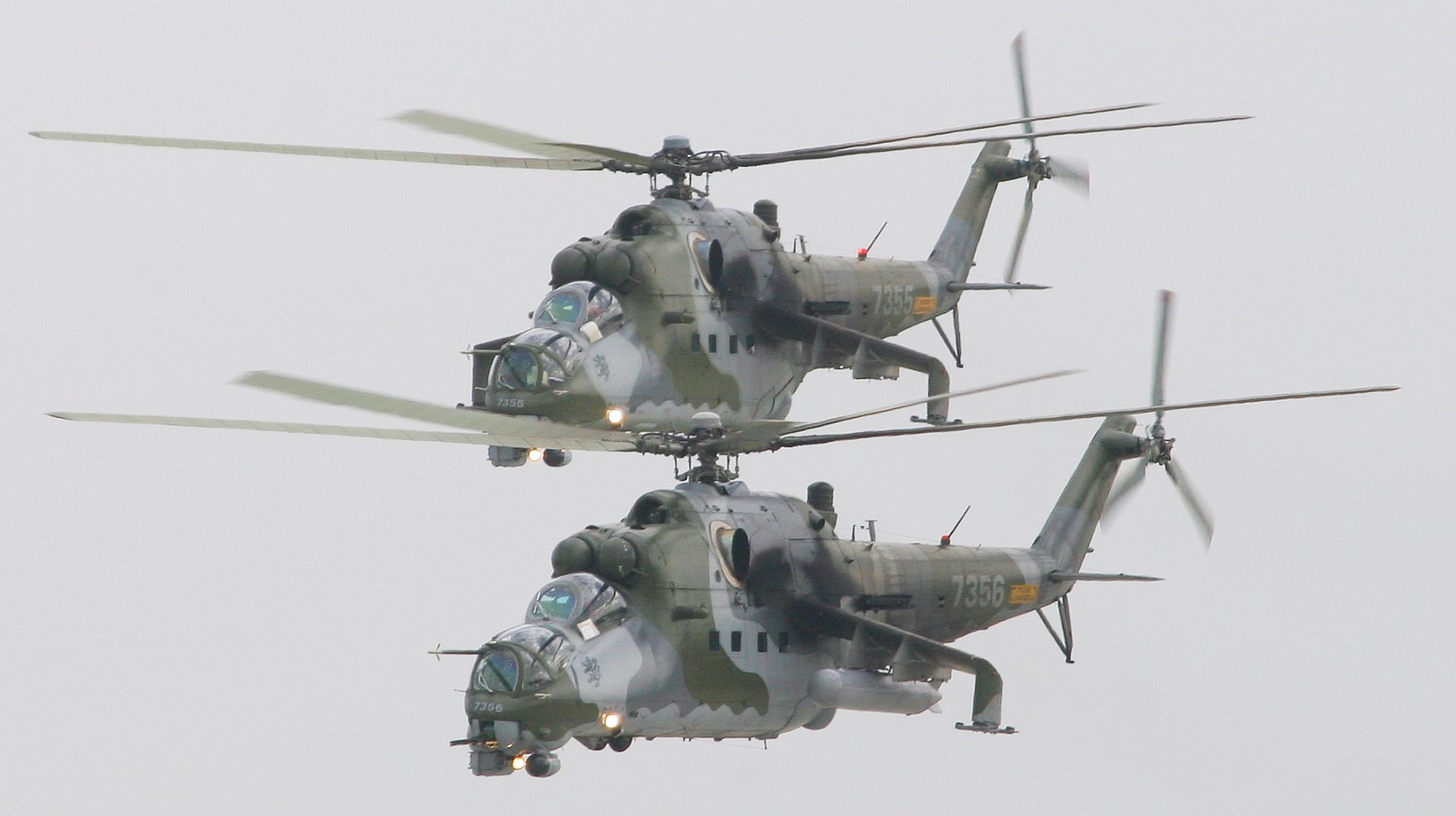
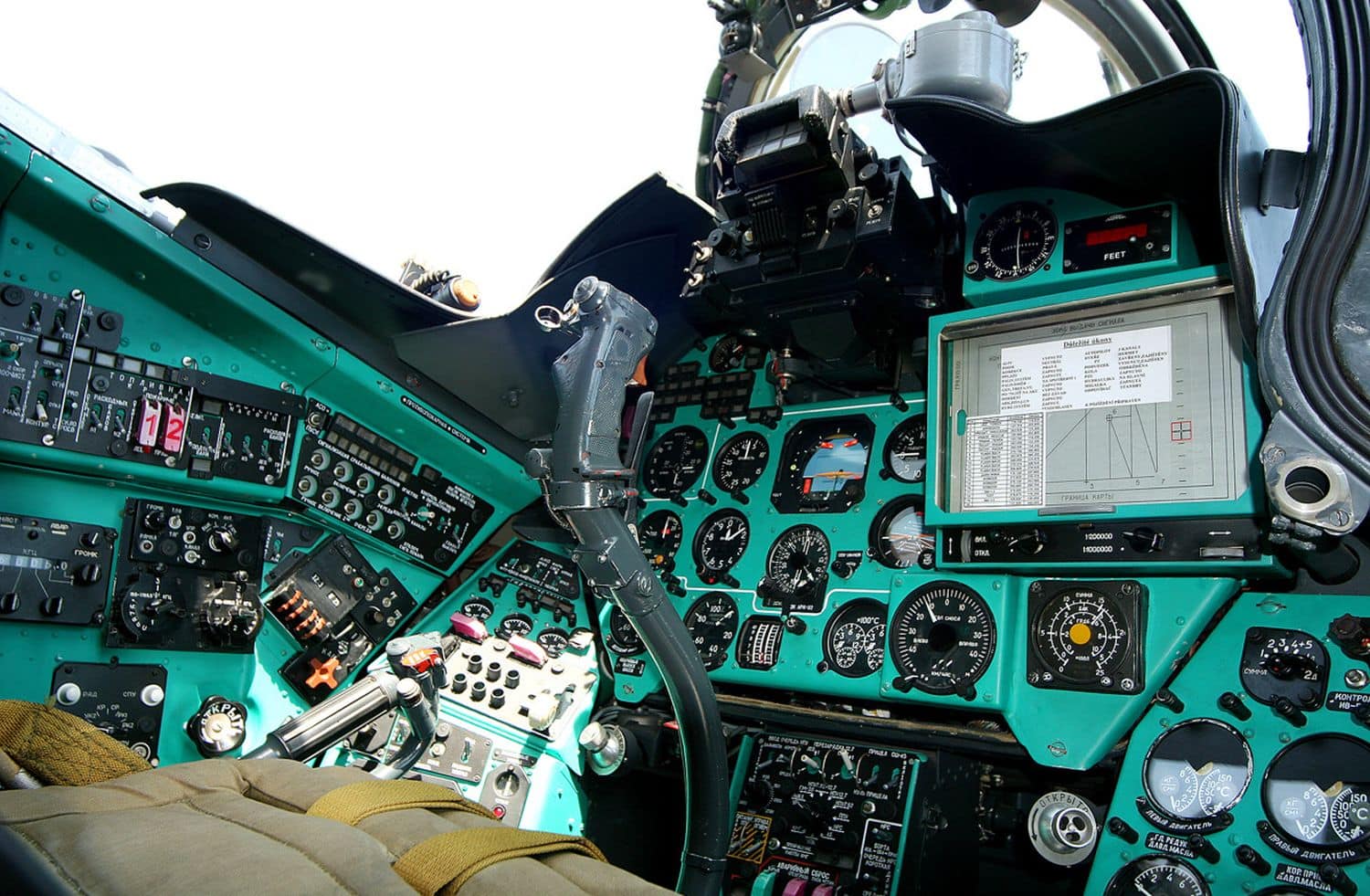
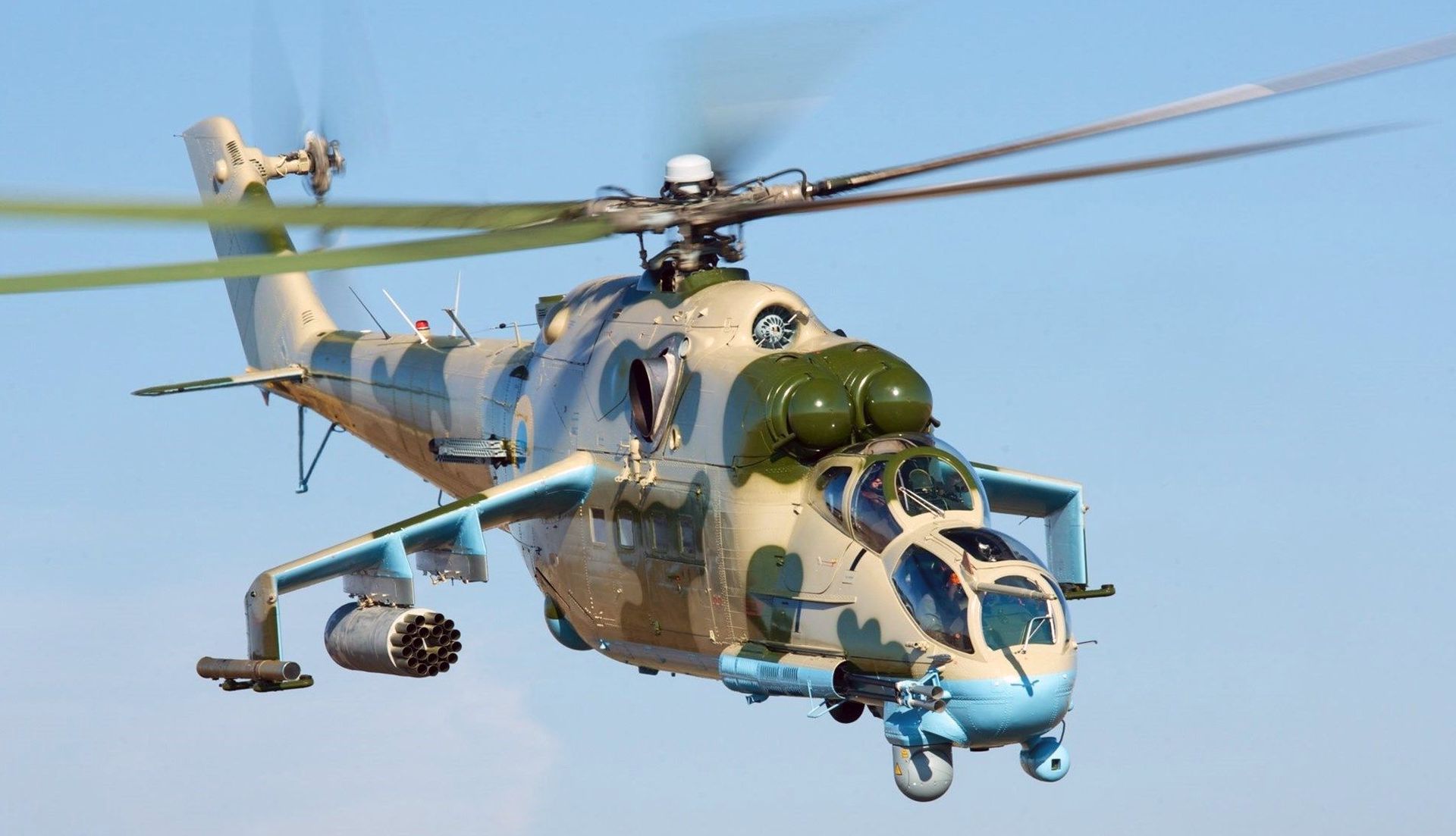
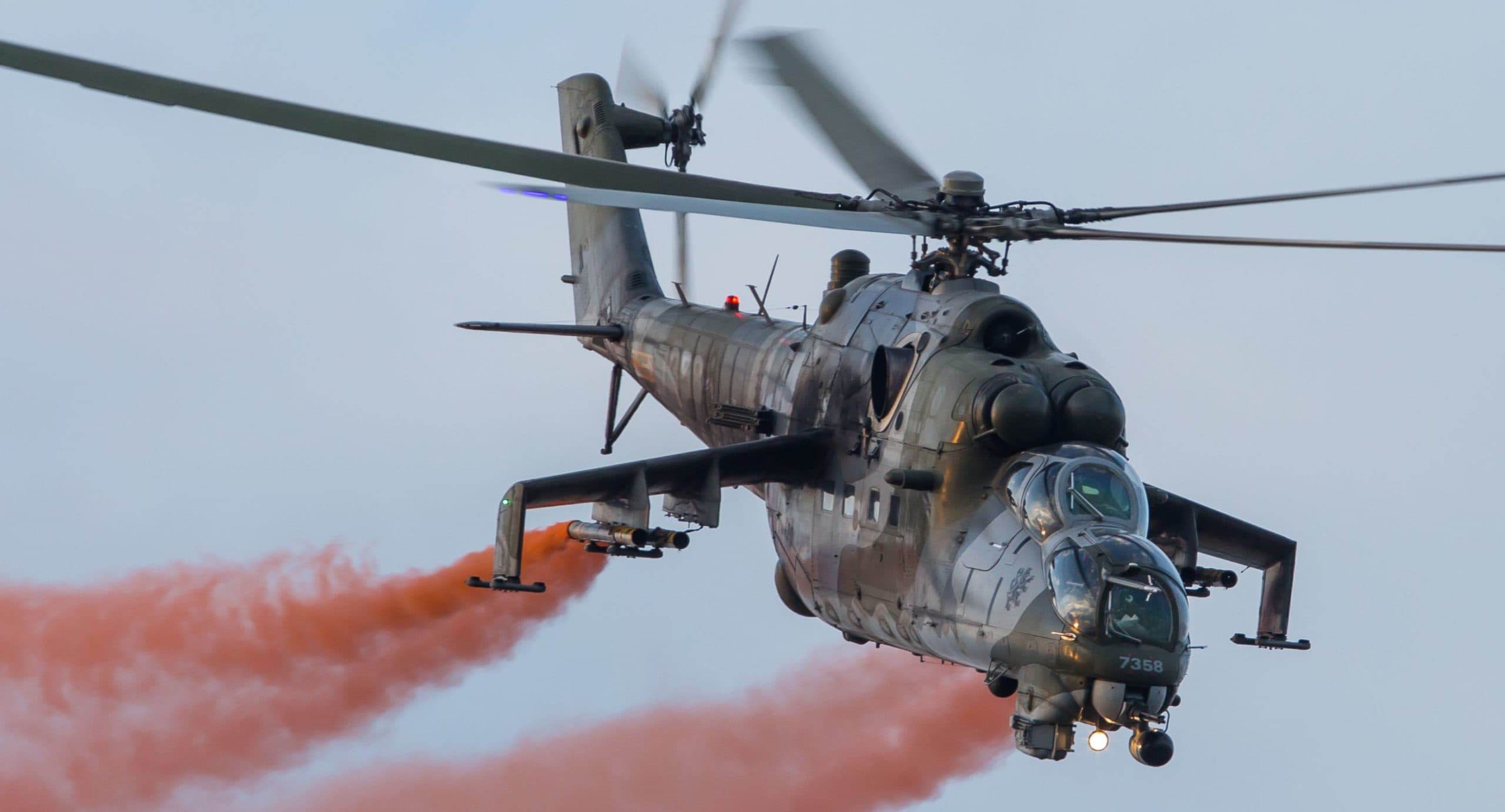
According to German State Secretary Siemtje Möller, there are “informal agreements” among the NATO states to refrain from supplying certain weapons systems to Ukraine. This is intended to minimize the risk of a direct military confrontation between NATO countries and Russia. Otherwise, Russia could officially interpret the delivery of Western battle tanks and combat aircraft as an entry into war and take military retaliatory measures. Ms. Möller said that weapons systems of this kind had not yet been delivered to Ukraine, in response to the question of why the German Marder infantry fighting vehicles that had been taken out of service had still not been sent on their way. The USA delivered such M113 infantry fighting vehicles (pictured is a variant in service with the UAE) to Ukraine.200 infantry fighting vehicles from the USA However, a round of calls by staff of security expert Gustav Gressel (European Council on Foreign Relations in Berlin) revealed that several NATO countries do not want to know anything about such an agreement – at least officially. In addition, the US National Guard has handed over more than 200 M113 infantry fighting vehicles from units in five US states to Ukraine since the beginning of Mayor that the Pentagon is calling on Portugal, for example, to release the same (again ex-US Army) M113s for Ukraine. And even as far as fighter planes and combat helicopters are concerned, Ms. Möller’s assertion is likely to have served only for the purpose of calibrating the German public – this even applies to complete, airworthy overall systems, as we have known since a press conference by US Secretary of Defense Lloyd J. Austin after a meeting of allied defense officials on May 23. In addition, the Ukrainians were able to increase the operational numbers of these types with spare parts and guided weapons for MiG-29s and Su-25s from Eastern European stocks. However, it is often not immediately clear who is actually supplying what equipmentThere is much denial and misreporting. Czech Mi-24V in formation flight – the country has so far operated seven of the type, plus other Mi-24 variants. In addition to thanking Denmark for the transfer of Harpoon anti-ship missiles to Ukraine for the defense of its (remaining) coastline and against the Russian naval blockade, Austin also thanked the Czech Republic at the press conference for the delivery of combat helicopters to the Ukrainian Army Air Forces – as should be the case. Austin: “I am particularly grateful to Denmark, which has today announced that it will provide a Harpoon launcher and missiles to help Ukraine defend its coastline. I would also like to thank the Czech Republic for their significant support, including a recent donation of attack helicopters, tanks and missile systems. As well as for the repair of dozens of damaged Ukrainian vehicles of former Soviet manufacture. And today, several countries announced new donations of much-needed artillery systems and ammunition, including Italy, Greece, Norway and Poland. And let me also thank the United Kingdom for its leading role in coordinating security assistance and for the significant amounts of British equipment that continue to flow into Ukraine. I am deeply indebted to these countries and to all the countries that have stood up today.” “Debt Hinds” now against Russia Austin did not name the type of helicopter or the quantity in his speech. But the Czech Air Force has so far operated 15 Mil-Mi-24s, more precisely seven Mi-24Vs and eight later Mi-35s (a later export version of the -24V). It can be assumed – as with the eastern equipment of other countries – that the older variants were handed over, in this case the seven Mi-24Vs. Prague has already ordered western replacements for the remainder, consisting of four AH-1Zs Viper and eight UH-1Ys Venom, and has reportedly asked the USA to speed up their delivery as part of the “rotation”, to speed up their delivery and is hoping for a discount on the Bell helicopters.. A look inside the cockpit: 80-year-old technology that is well known to the Ukrainians. The Mil-Mi-24 first flew in the USSR in 1969, its deployment in the then CSSR began in 1978, when the first Mi-24D helicopters were put into service with the 51st Helicopter Regiment in Prostějov. Eventually, the Czechoslovak People’s Army acquired a total of 28 Mi-24Ds by 1982 and then a further 31 of the modernized Mi-24V variant and two Mi-24DU training helicopters with dual controls between 1985 and 1989. After the dissolution of Czechoslovakia and the division of the armed forces with Slovakia, 16 Mi-24Ds, 20 Mi-24Vs and one Mi-24DU remained with Prague. From 2003, most of these aircraft were gradually taken out of service and finally replaced by 17 new helicopters from Russia in 2004/2005. These new aircraft paid off some of the old Soviet debts, the first batch of those seven Mi-24Vs arrived in 2003 and ten more rotorcraft were delivered in 2005/2006. All seventeen Mi-24V/Mi-35s had been assigned to the 221st Airborne Division since October 1, 2008. Helicopter squadron (vrlt 221. = vrtulníkovou letka) based in Náměšť nad Oslavou. The tactical numbers: Mi-24V: 0981, 7353, 7354, 7355, 7356, 7357 and 7358 Mi-35: 3362, 3365, 3366, 3367, 3368, 3369, 3370, 3371 and 7360 Hinds in blue-yellow Ukraine is of course familiar with the Mi-24 from its own inventory; by February 24, a total of 34 had been assigned to the 7th Army Aviation Regiment. A total of 34 were in service with the 7th separate army aviation regiment of the Ukrainian army at Novi Kalinov airbase, the 11th separate army aviation regiment at Kherson airbase and the 16th separate army aviation regiment at Brody airbase. Originally, the young Ukraine inherited around 350 (early) Hinds located there after the dissolution of the USSR. However, the inventory quickly dwindled when around 140 aircraft were exported (mainly to African countries) and most of the rest were put into storage. When Russia seized the Crimean peninsula in 2014 and pro-Russian separatists attempted to overthrow local authorities throughout eastern Ukraine (Ukraine has been in a state of real war ever since), four or five blue-and-yellow Mi-24s were shot down and the squadrons were hastily transferred to bases in Kharkiv, Dnipro and Mariupol. Following reactivations in 2014, the 7th Regiment was expanded to become the 12th Aviation Brigade and a new 18th Brigade was established in Poltava. The Ukrainian Mi-24 fleet underwent extensive updates starting in 2008. Kiev also pursued its own upgrades for its Hinds since 2008, when the Konotop Aircraft Repair Plant developed a two-stage modernization in cooperation with the French company SAGEM (which would implement the more ambitious second stage). From then on, the Konotop Aviakon factory produced the PU-1 version, initially by dismantling and refurbishing Hinds, which were often taken out of storage in very poor condition. Each upgrade took four months, ended with three test flights and cost 25 million hryvnia (750,000 to 1 million euros). Finally, thanks to Polish helmets with PNL-3 night vision goggles and revised cockpit lighting, the PU-1 is also operational at night. This is complemented by a MAR-695 GPS navigation system and an FPM-01KV laser marker that can act as a target homing beacon at night. All models can (and normally do) mount B8V20 missile pods on their stub wings, each carrying 20 S-8 missiles. Incidentally, some were in service for years (in white) with the Ukrainian Blue Helmets in the Congo. Ukrainian Mi-24s had been active since the first day of the war on February 24, supporting, for example, a robust counterattack on Russian paratroopers who had occupied Antonov Airport in the Kiev suburb of Hostomel. At 5.00 a.m. on April 1, two Ukrainian Hinds apparently also unleashed a massive fire in an oil storage facility in the Russian city of Belgorod (around 30 kilometers from the Ukrainian border) with S-8 salvos – although Ukraine has so far denied this. Given the threat posed by Russia’s notorious multi-layered air defense system, this attack was quite audacious. Throughout the conflict over the past three months, the Russian military claims to have shot down numerous Ukrainian Mi-24s. However, the only loss confirmed by Ukraine so far is only one aircraft from the 16th Brigade, piloted by Lieutenant Colonel Aleksandr Marynyak Miroslavovich and Major Ivan Romanovich, which was shot down over Kiev’s eastern suburb of Browary on March 8. The lack of further confirmed Mi-24 losses could also mean that efforts are being made to preserve these platforms and use them more selectively. Should the fighting end one day, Kiev will probably be faced with the choice of either trying to modernize its Hinds again – which will probably no longer be worthwhile – or importing modern combat helicopters with Western help.
Wir informieren in unserem Newsletter alle zwei Wochen über aktuelle Entwicklungen aus den Bereichen Bundesheer, Militär, Gear und Sicherheit. Zudem verlosen wir monatlich unter all unseren Feldpost-Abonnenten attraktive Preise.
Bildband zur Airpower 2024
60 Jahre Patrouille Suisse, das Bundesheer hat die Argonauten-Saga mit 25 Luftfahrzeugen neu interpretiert, Patrulla Aguila, das Red Bull Blanix-Team und das Czech Flying Bulls Aerobatics Team. Die "Airpower 2024" geizte nicht mit Highlights, wie auch dieser eindrucksvolle Bildband zeigt.
Auf 70 Seiten holen wir im Format 210x210 Millimeter den europäischen Flugshow-Höhepunkt 2024 noch einmal in Erinnerung.

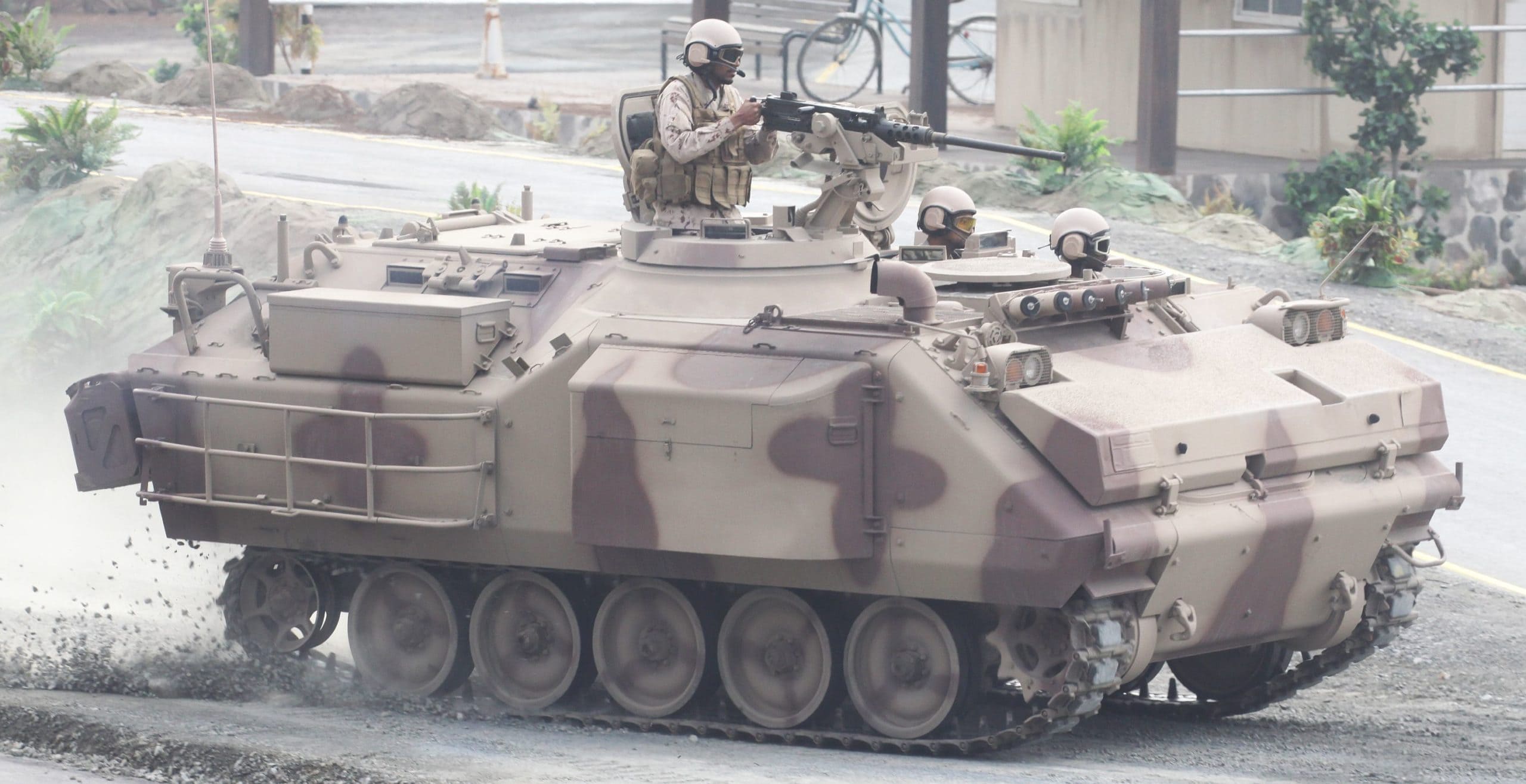 The USA delivered such M113 infantry fighting vehicles (pictured is a variant in service with the UAE) to Ukraine.200 infantry fighting vehicles from the USA However, a round of calls by staff of security expert Gustav Gressel (European Council on Foreign Relations in Berlin) revealed that several NATO countries do not want to know anything about such an agreement – at least officially. In addition, the US National Guard has handed over more than 200 M113 infantry fighting vehicles from units in five US states to Ukraine since the beginning of Mayor that the Pentagon is calling on Portugal, for example, to release the same (again ex-US Army) M113s for Ukraine. And even as far as fighter planes and combat helicopters are concerned, Ms. Möller’s assertion is likely to have served only for the purpose of calibrating the German public – this even applies to complete, airworthy overall systems, as we have known since a press conference by US Secretary of Defense Lloyd J. Austin after a meeting of allied defense officials on May 23. In addition, the Ukrainians were able to increase the operational numbers of these types with spare parts and guided weapons for MiG-29s and Su-25s from Eastern European stocks. However, it is often not immediately clear who is actually supplying what equipmentThere is much denial and misreporting.