The Dutch armed forces is investing in additional radar systems for the North Sea, heavy recovery vehicles for the land forces and special wounded trains for the transportation of war casualties.
Additional “eyes” over the North Sea
The North Sea is of great strategic importance to the Netherlands and its allies – both economically and militarily. The region is home to key infrastructure such as oil and gas platforms, underwater pipelines, offshore wind farms and data cables. These are considered particularly vulnerable to acts of sabotage and hybrid threats.

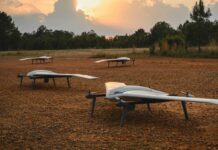
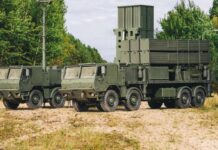
To date, the Ministry of Defense has only had limited situational awareness of so-called “dark vessels”, which attempt to operate undetected by switching off their transponders. The navy is therefore receiving additional radar systems in order to better detect such movements. The new sensors are also capable of detecting objects less than 50 meters in size and are therefore also suitable for detecting drones.
The systems are supplied by a Dutch company. Maintenance and servicing is carried out by Rijkswaterstaat together with the manufacturer. The data link is established via the existing connection between the coast guard center and the navy.
More recovery capacity for potential major conflicts
In view of the security situation, the Netherlands is also preparing for a possible large-scale combat scenario. Accordingly, the combat capability of the land forces is becoming increasingly important. The heavy and medium infantry brigades are therefore being given additional recovery capacities.
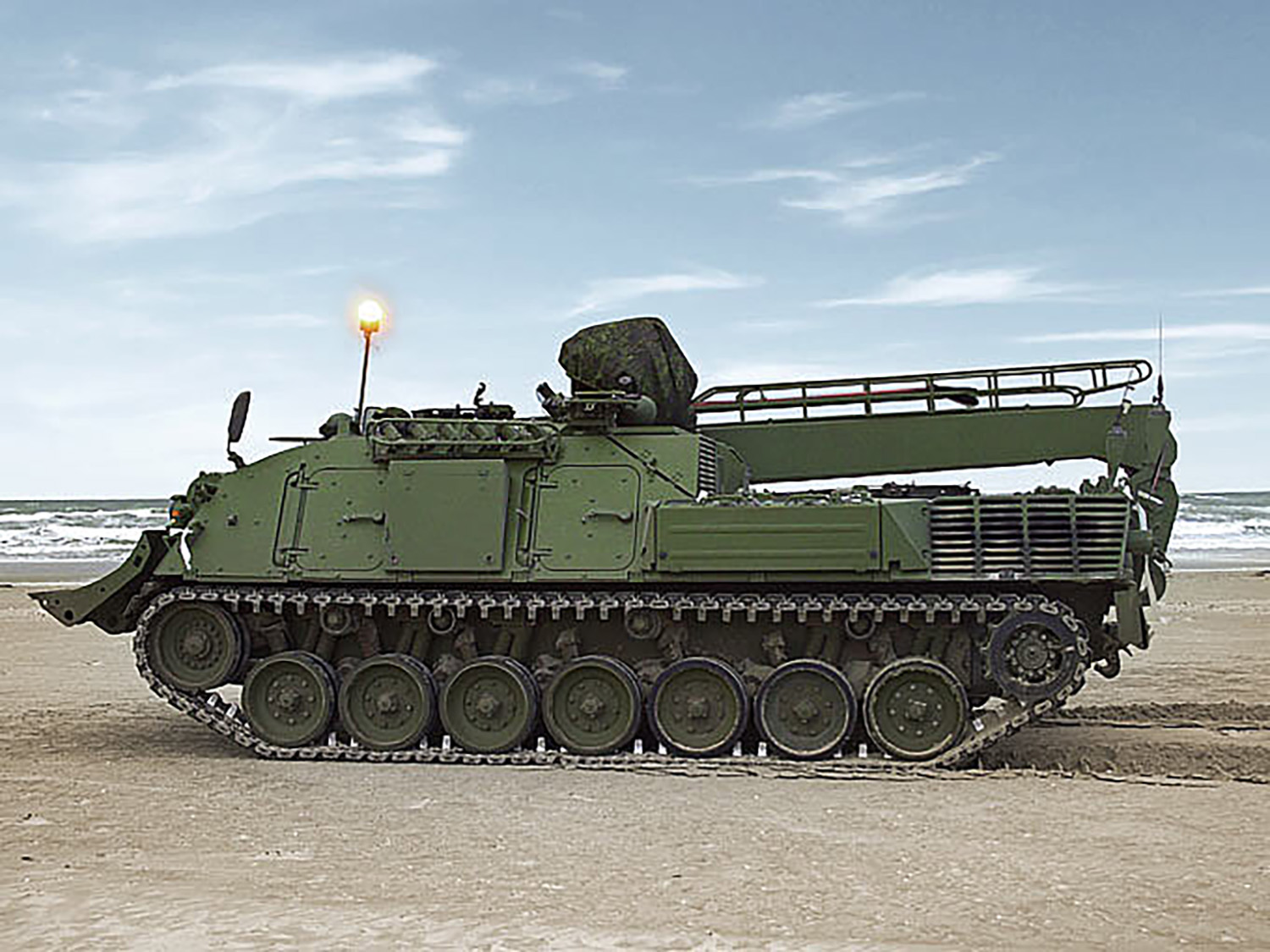
The plan is to procure Wisent 2 armored recovery vehicles from the German manufacturer FFG. These are intended for the new tank battalion and a new armored infantry battalion, among others. The vehicles should be able to recover damaged or broken-down equipment even under enemy fire. The scope of delivery includes remote-controlled weapon stations, ammunition, spare parts and IT equipment.
Iris-T für Österreich? Diehl setzt auf industrielle Verankerung
The Wisent 2 is based on the chassis of the Leopard 2 main battle tank and is available as a market-ready system (“off the shelf”). This is intended to minimize delays and cost overruns. The Dutch procurement strategy deliberately focuses on robust and simple solutions in order to facilitate operation, maintenance and training as well as to enable rapid replication in the event of loss. As part of the partnership with FFG, Dutch industry is also to be involved.
Casualty trains for mass casualty incidents
In addition, the Ministry of Defense is procuring special wounded trains for transporting war victims over longer distances. Currently, casualties are mainly transported by ambulances and helicopters. In future, the C-390M (-> The Netherlands, Austria and Sweden are together procuring 13 C-390M transport aircraft), which will replace the C-130 from 2027.
In the event of a large-scale conflict, The Hague expects a high number of wounded. For this reason, additional transport capacities are to be created that can transport a larger number of patients at the same time. The trains intended for this purpose are Dutch-made and the conversion is also being carried out in the Netherlands.
Here for more news about the Dutch armed forces.