Military national defense is the primary agenda of the Austrian Armed Forces. Austrian Armed Forcesbut the protection of cultural assets is also one of its tasks. The traveling exhibition “Cultural Property Protection” has now been opened at the Hesser Barracks in the Lower Austrian capital. Militär Aktuell was on site.
The Austrian Armed Forces are primarily associated with the defense of the country, the protection of borders in assistance operations (-> current reports from the assistance missions of the Austrian Armed Forces) and providing assistance after natural disasters such as floods or forest fires. What few people know: The protection of tangible and intangible cultural assets is also one of the tasks of our soldiers. The traveling exhibition “Cultural Property Protection” was therefore officially opened today, 8 January, at the Hesser barracks in St. Pölten.
-> Apple Podcasts
-> Spotify
-> Podigee
-> Deezer
-> Youtube version
The location could not have been chosen more appropriately, as the property itself is to a certain extent a cultural asset that was built during the Austro-Hungarian Empire. Monarchy. The Hesser barracks, officially known as the Feldmarschall Hess command building, was created in 1957 by merging the three former Landwehr barracks Franz-Josephs-Kaserne, Rainerkaserne (both from the late 19th century) and Eugenkaserne (early 20th century).
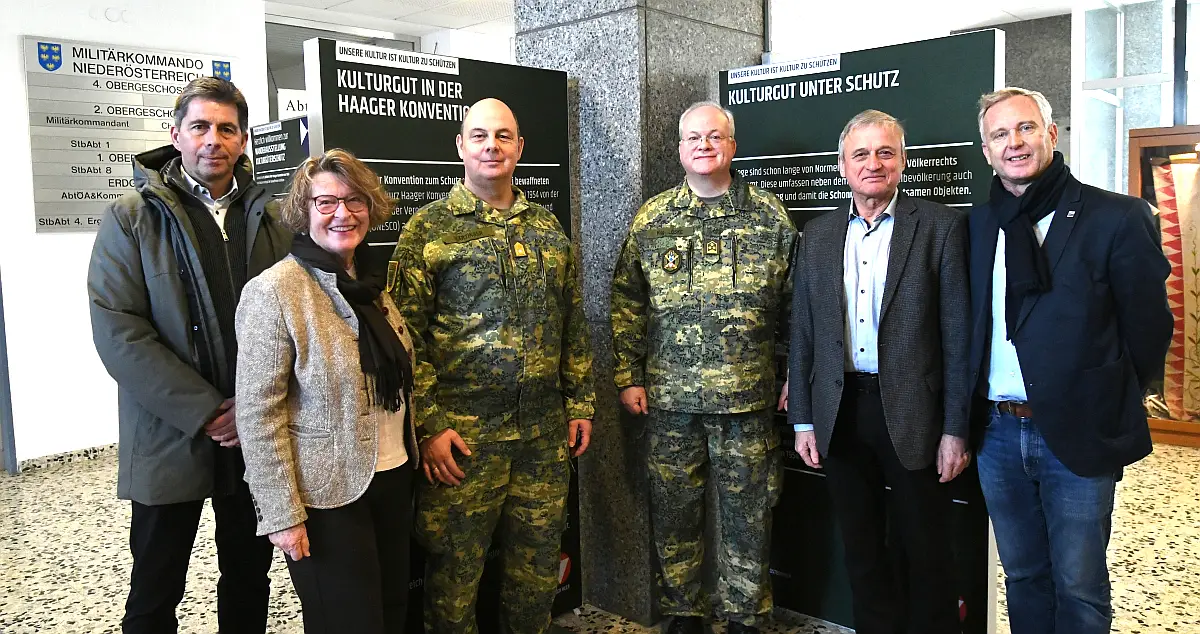
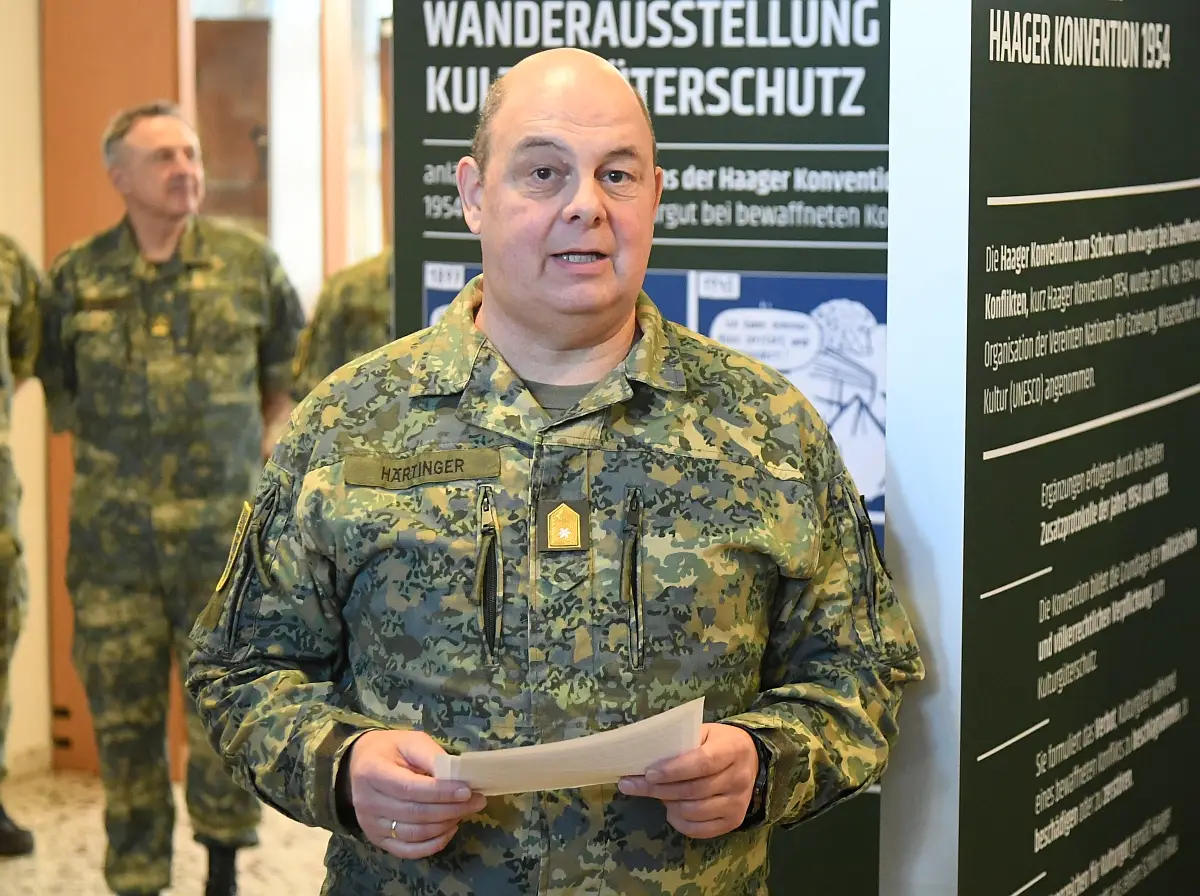
The exhibition was opened by the new military commander of Lower Austria, Brigadier Georg Härtinger (-> Handover of command at the Lower Austrian Military Command) personally. He was assisted by the expert for the protection of cultural assets, Colonel Philipp Loske (-> Interview with Brigadier Härtinger and Colonel Loske on the occasion of the opening of the traveling exhibition). Brigadier Härtinger was delighted that the newly conceived exhibition could be seen in the Lower Austrian provincial capital before it is shown in the other provinces: “The subject of military cultural property protection and the protection of cultural heritage are closely linked and are an essential part of operational command at home and abroad. I am therefore delighted that the traveling exhibition is making a stop at the Lower Austrian Military Command in St. Pölten. In this way, it is helping to raise awareness of the significance of this important topic for the areas of research, training and teaching.”
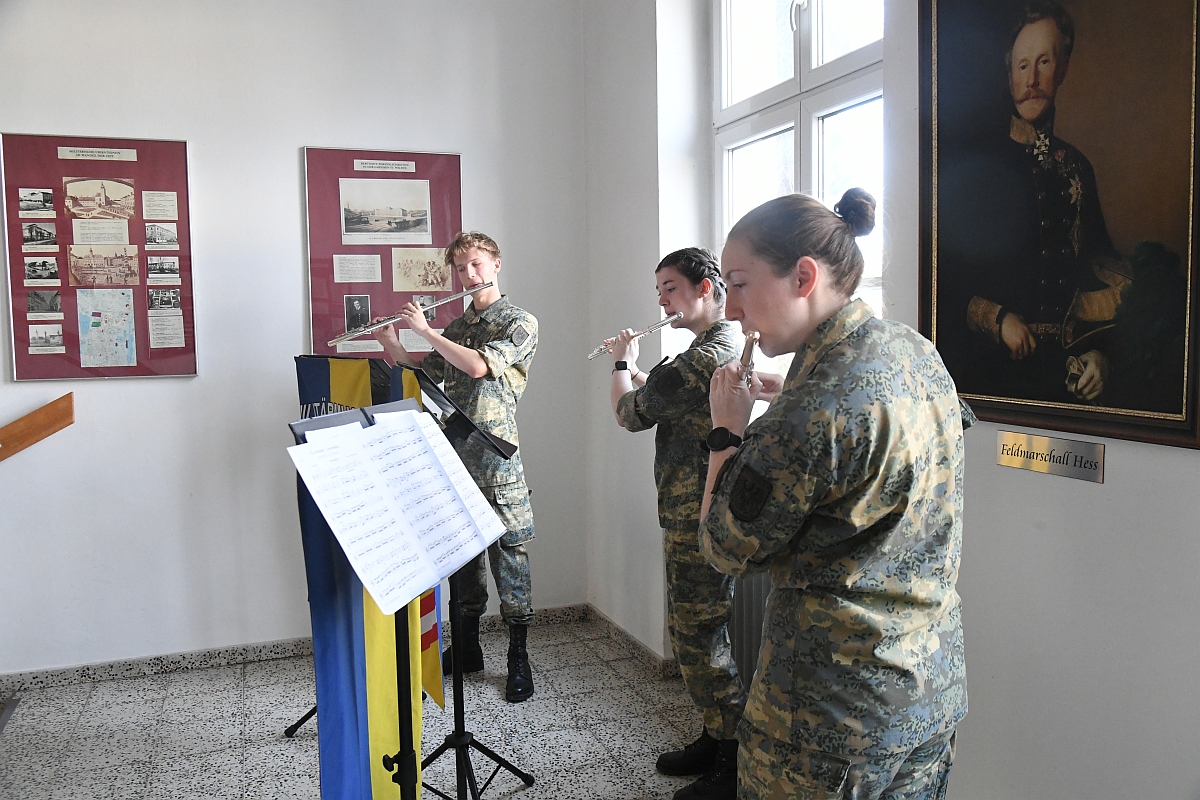

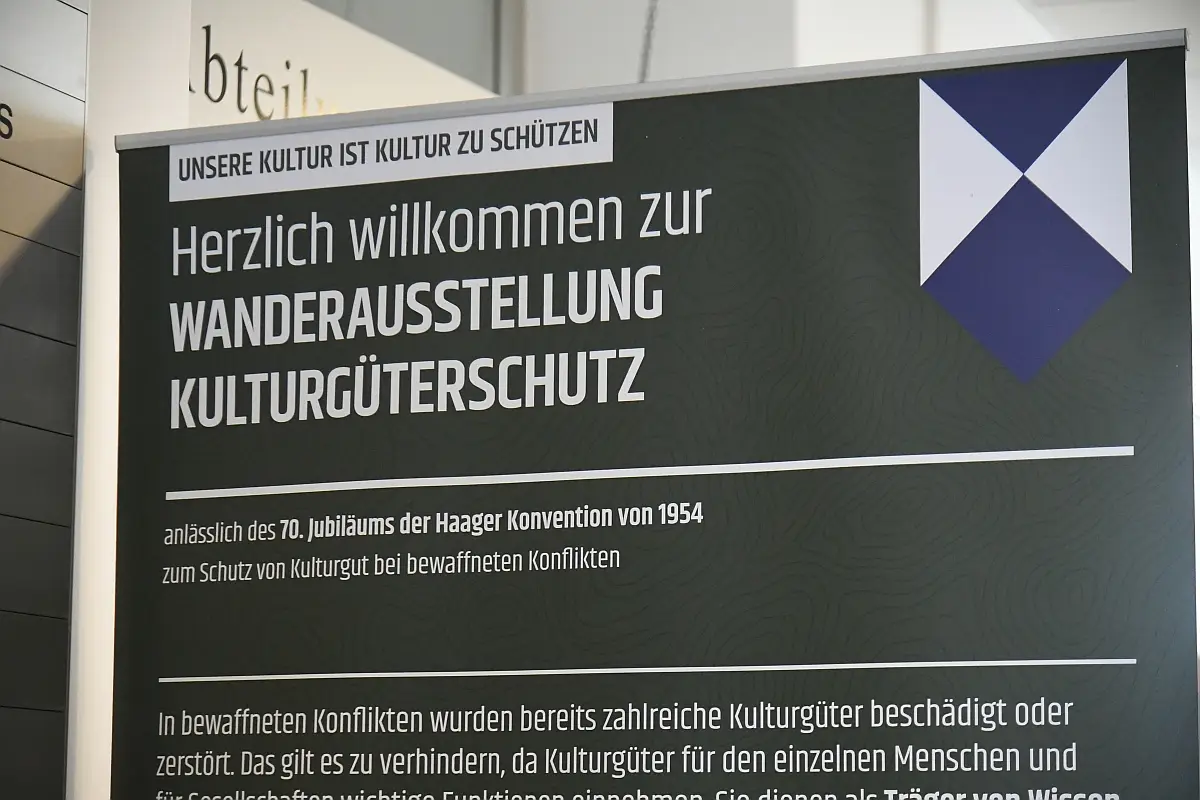
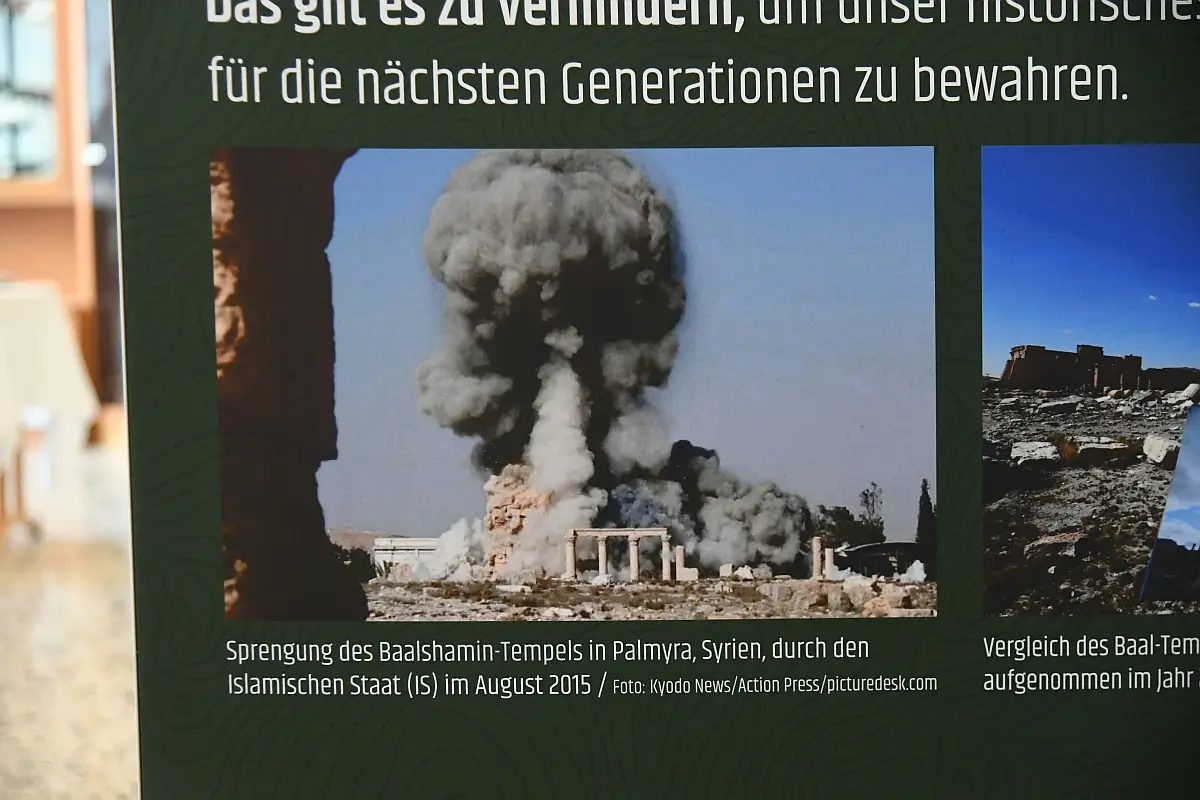
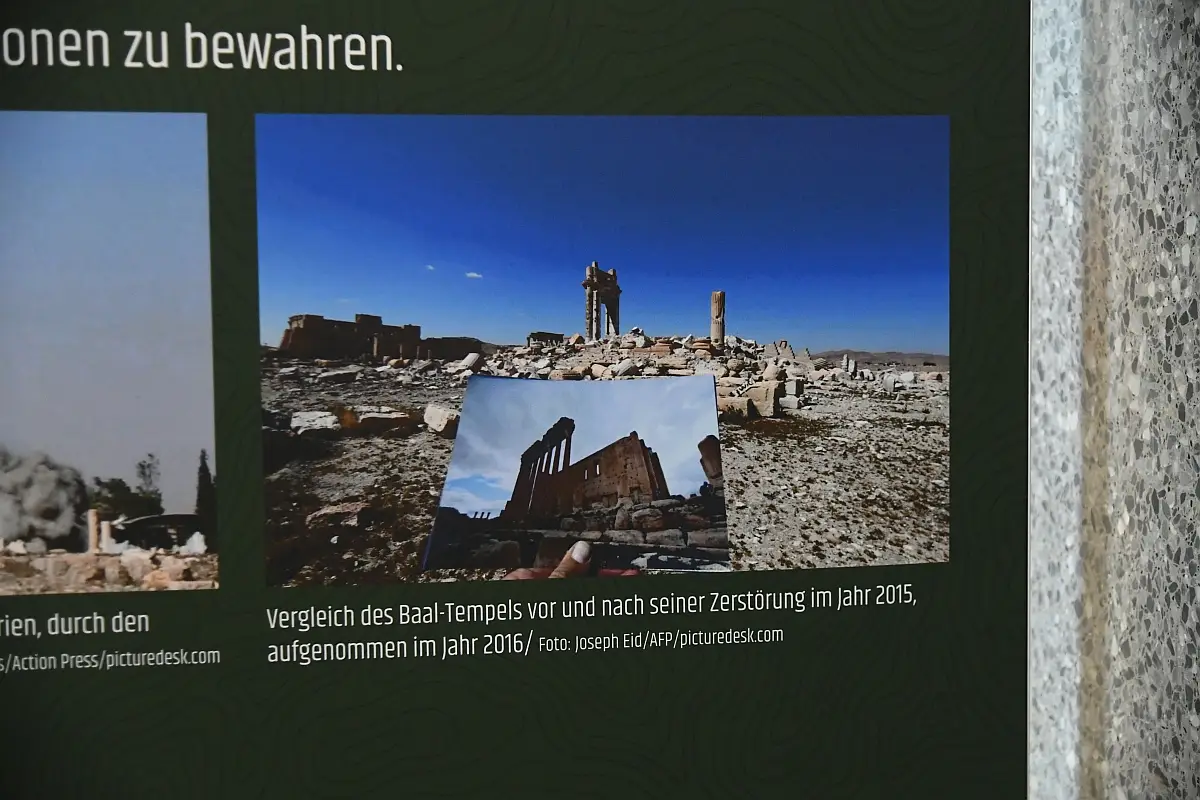
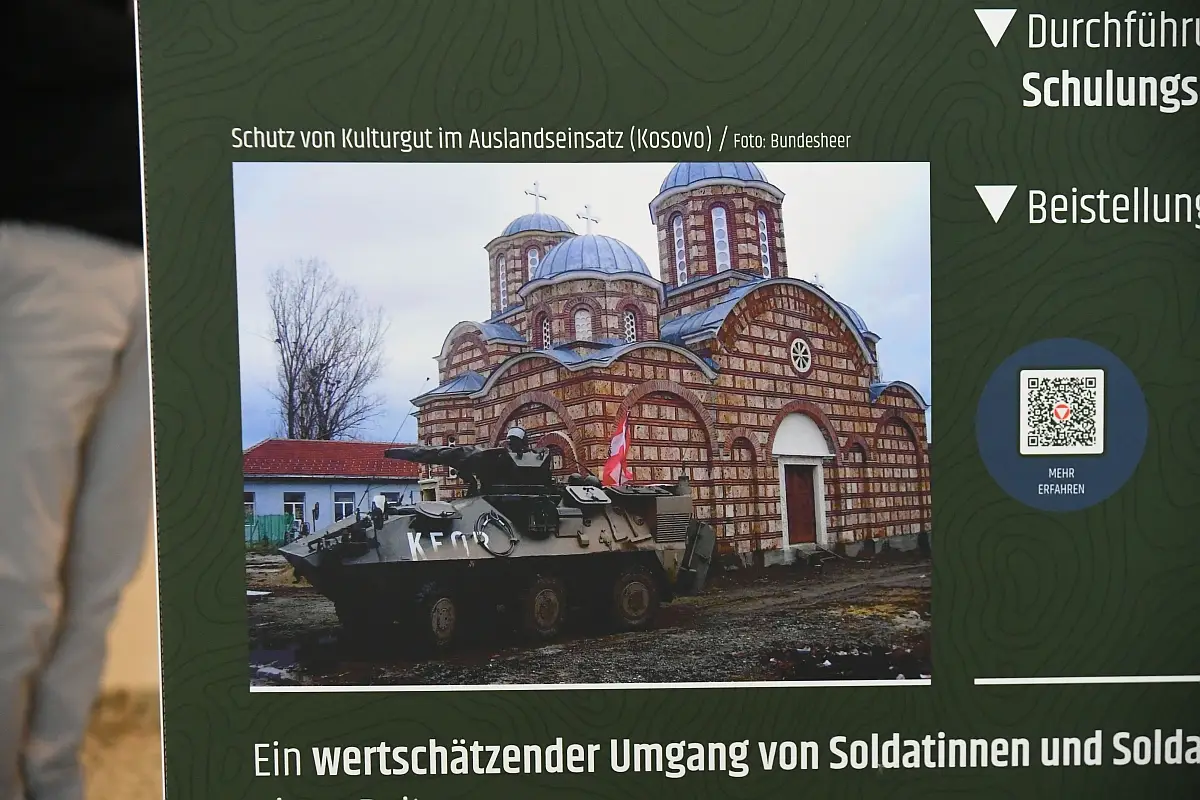
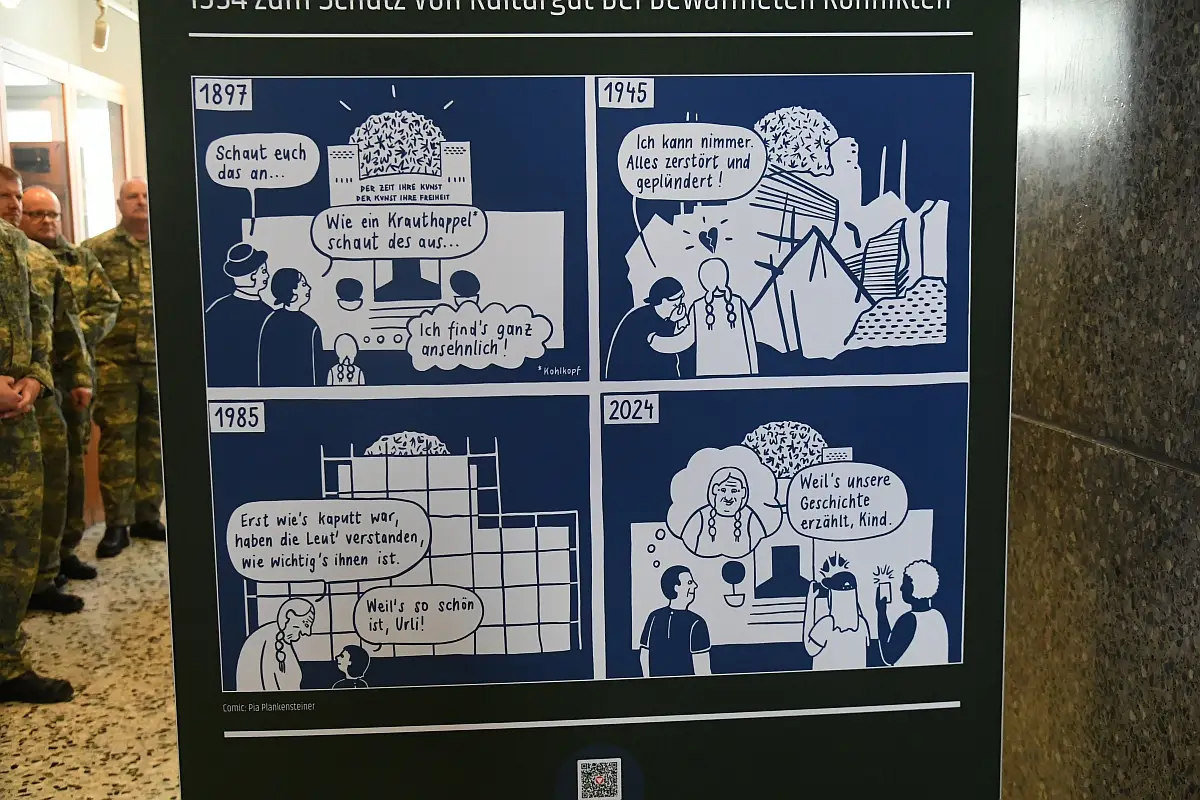
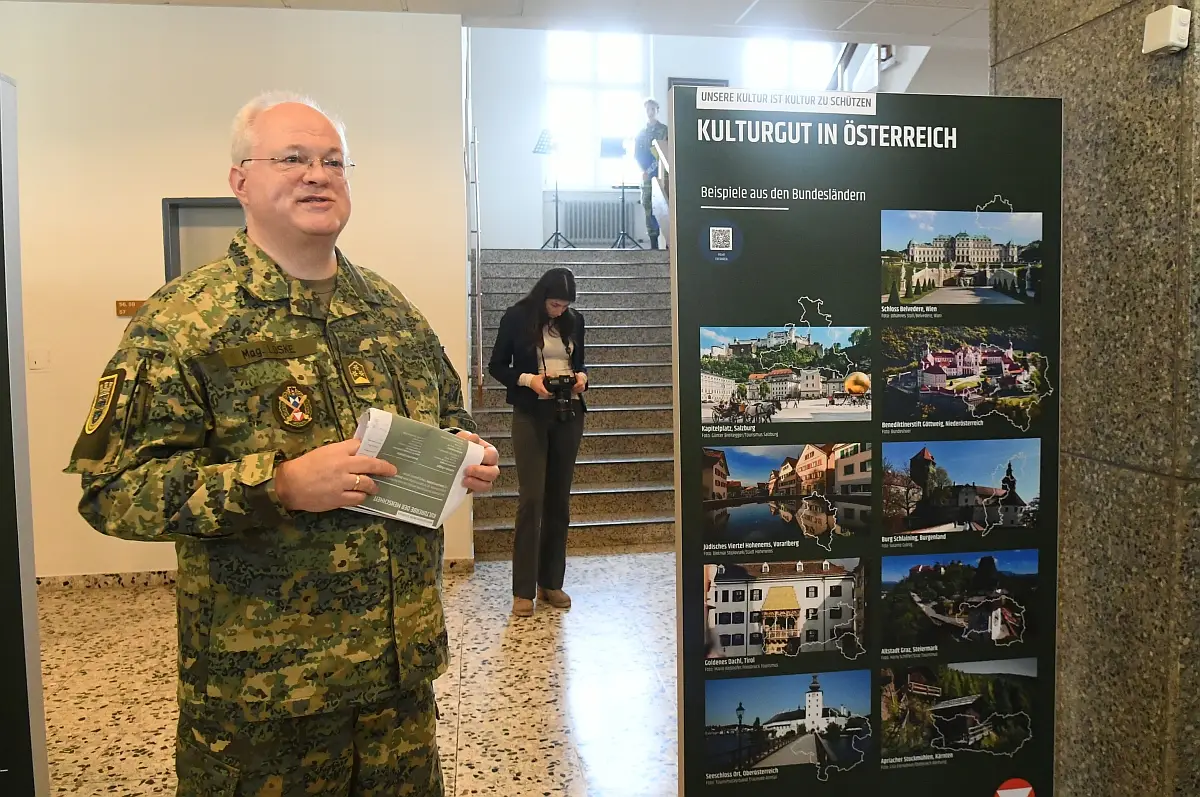
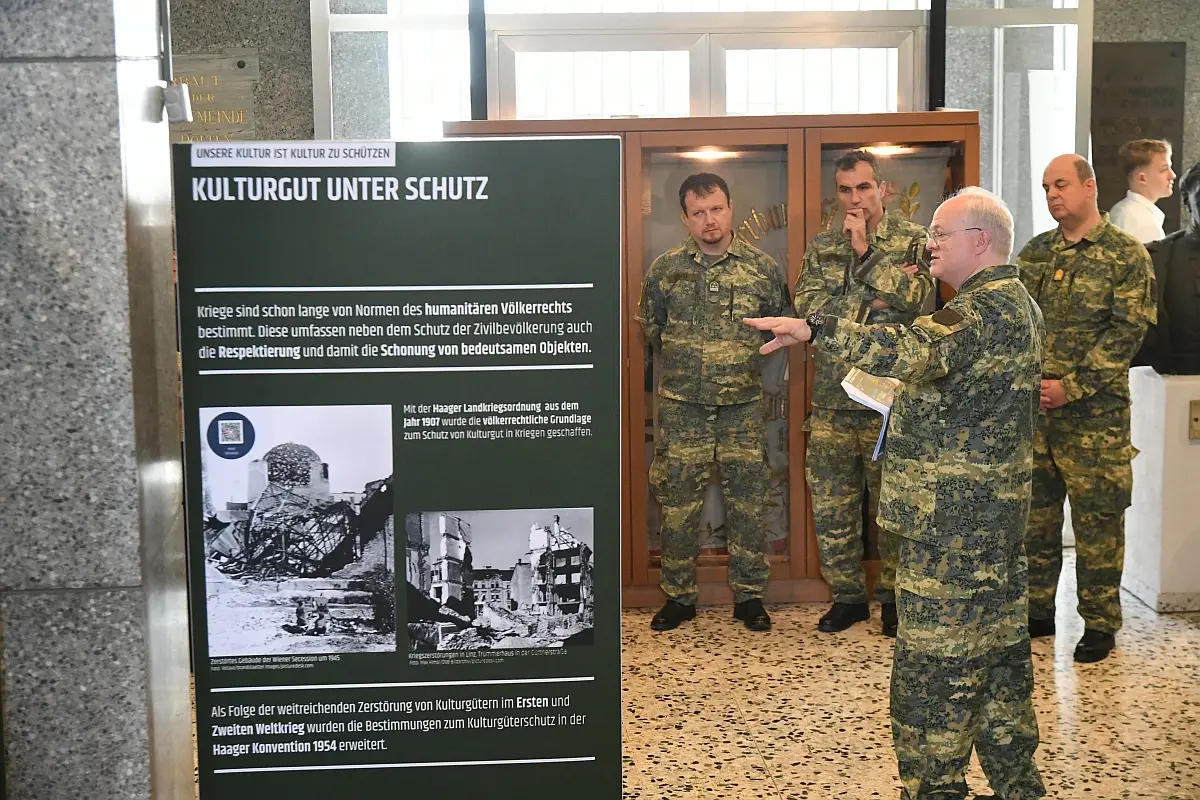
Cultural expert Colonel Loske guided the civilian and military visitors through the exhibition and provided interesting insights into the legal and social assessment of the protection of cultural property. There were also interesting conversations between the officer and his comrades.
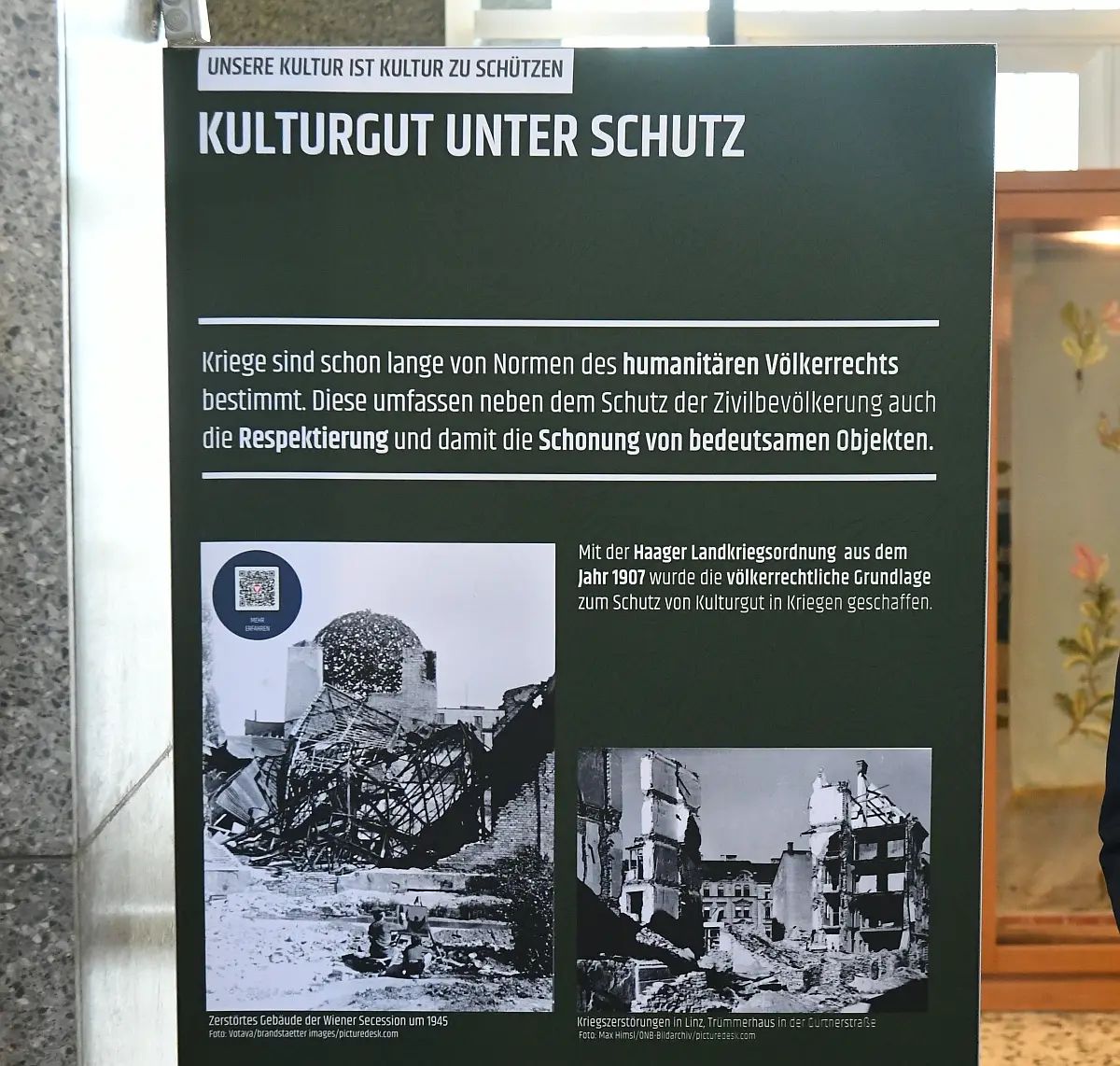
The (international) legal component of the protection of cultural property is clearly regulated in the Hague Convention of 1954, ratified by Austria, and its additional protocols. Apart from the legal side, however, there is the cultural side. Respect for cultural property by soldiers in crisis and war zones is essential, as it can ultimately also serve to protect soldiers from hostility from the civilian population.
“However, cultural property continues to face multiple threats, including armed conflict, natural disasters and vandalism. The destruction of cultural property is often used deliberately to undermine the identity and values of communities. Therefore, the protection of cultural property in armed conflict is not only a legal obligation, but also a contribution to conflict resolution, peacebuilding and the protection of armed forces. The Austrian Armed Forces support the protection of cultural property through civilian cooperation, emergency planning and training programs. A directive ensures that the protection of cultural heritage is an integral part of military measures in times of peace and crisis,” says the Armed Forces.
“There are 135 protected cultural monuments throughout Austria, 34 of which are in Lower Austria alone,” says Colonel Loske, emphasizing the importance of Lower Austria as a cultural region.
The traveling exhibition “Cultural Property Protection” can be seen in the Hesser barracks until January 29. It will then go on tour through the other federal states. It is aimed at all members of the armed forces as well as interested individuals and groups, primarily from the education sector. In principle, however, it is open to any interested citizen. However, for logistical reasons and because it is located within a military facility, advance registration is required in all cases.
Here for further army news.