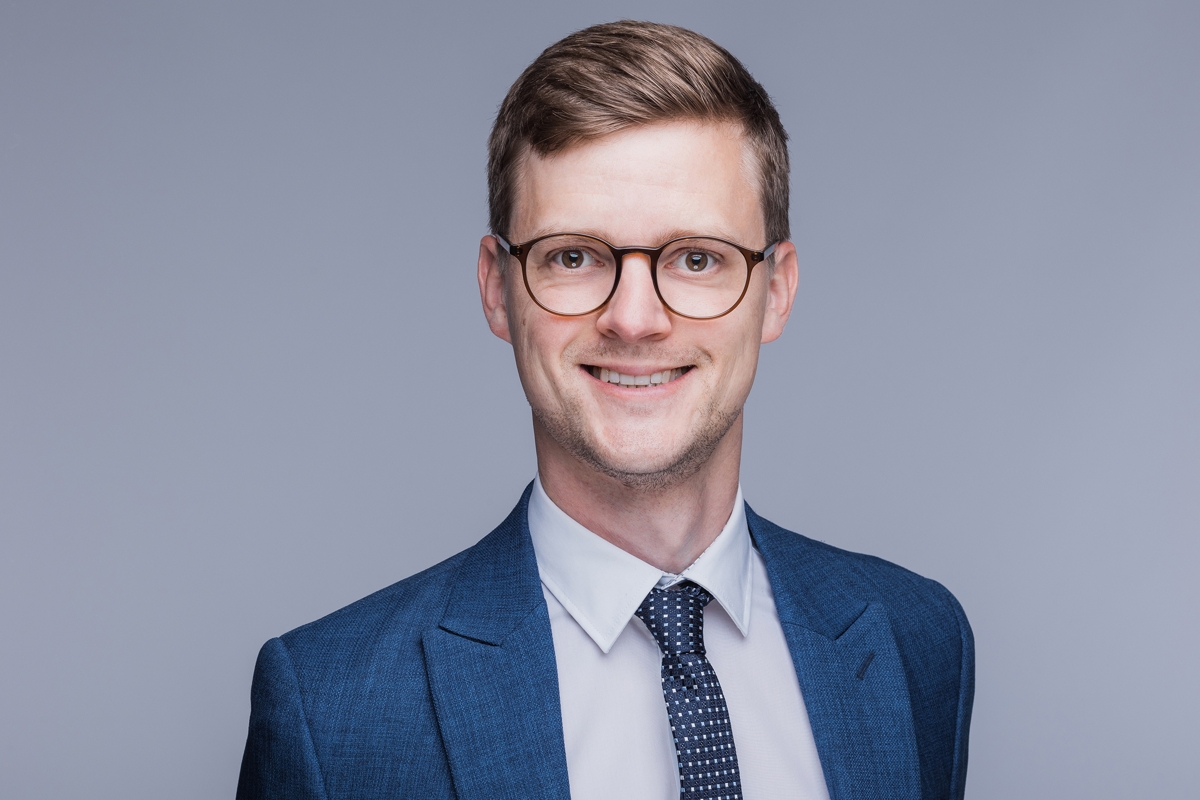
This time, our five questions go to Michael Zinkanell, Director of the Austria Institute for European and Security Policy (AIES). We spoke to him about the foreign and security policy challenges facing the European Union in the European Union.
Mr. Zinkanell, what is currently Europe’s biggest security challenge?
In addition to Russia’s direct aggression, I see a failure to recognize or want to recognize the security policy challenges, especially in Austria. I see the danger in the fact that we are not mentally and cognitively prepared for the fact that we are living in tense times of crisis. This gives rise to the danger of indifference and inactivity in terms of security policy.
How well positioned is Europe against hybrid threats such as cyberattacks and disinformation?
Europe has continued to develop in the area of cyber security and combating disinformation in recent years. Numerous initiatives have been launched. But that is not enough. Even today’s protection would be outdated tomorrow – the dynamic nature of hybrid threats requires continuous adaptation of measures and strategies. I see a major shortcoming in the analytical detection of hybrid threats. The focus has so far been limited to cyber and information security. In other areas – such as economic and scientific security – there is a lack of suitable methods for systematically analyzing the threat situation.
“The defense and armaments industry has been cut to death.”
Why does the EU continue to import the majority of its weapons despite its own armaments ambitions? Is it because of cost, quality or political calculation?
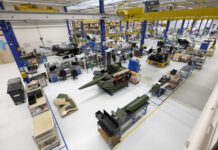
One of the main reasons is that the entire defense and armaments industry has been cut to death. There was a lack of investment and incentives to build up production capacities. Although strategic autonomy is now recognized in the European Union, it cannot be achieved overnight. Other economies, such as South Korea, have systematically geared their defense industry towards exports for decades. This explains why countries such as Poland are increasingly buying there rather than in Europe or the USA: The South Korean market is convincing in terms of price and performance. So if we want to build a European defense industry, further investment and incentives for the industry to produce on a larger scale are absolutely essential.

What role should the EU play in foreign and security policy in the future?
In order to safeguard the EU’s core values and interests – the rule of law, democracy, free trade – in the future, the next step towards integration must include a security and defense union. Only in this way can Europe become more strategically independent and gain weight as a geopolitical player – not only economically, but also in terms of security policy. After all, economic achievements can ultimately only be secured militarily.
“The migration of industry out of Europe is a warning signal.”
The USA is investing heavily in key technologies such as artificial intelligence. Europe’s resources remain comparatively modest. Is the EU at risk of falling behind economically in the long term in view of growing arms expenditure and weak investment in research and technology?
Of course, upgrading in the area of security and defense policy must not mean neglecting other key technologies. Synergies are needed – for example between defense and AI research, where potential has so far remained untapped. Stronger incentives are also needed for business and industry to invest in innovative areas of the future. The exodus of industry from Europe is a warning signal. Targeted espionage and technology transfers also endanger critical know-how.
Click here to read the other articles in our “5 questions to” series.