A few days ago, Federal Chancellor Sebastian Kurz and Foreign Minister Alexander Schallenberg announced the imminent entry into force of the nuclear weapons ban treaty co-initiated by Austria – under Federal Chancellor Christian Kern (see Krone report). “With the 50th ratification just completed, it can enter into force in 90 days,” Kurz said in a message on Twitter. “With this success, we have taken an important step towards our goal of a world free of nuclear weapons.” Schallenberg added: “With the entry into force, we are clearly demonstrating that we do not accept a standstill in nuclear disarmament and that this does not create security. It is high time to finally put an end to this myth.”
With the 50th ratification that has just taken place, the Treaty on the Prohibition of Nuclear Weapons, which Ö played a key role in initiating, can enter into force in 90 days. With this success, we have taken an important step towards our goal of a world free of nuclear weapons! @AustriaUN @mfa_austria @ican https://t.co/MRQTRDfpza
– Sebastian Kurz (@sebastiankurz) October 24, 2020
There was also great joy internationally: “The treaty represents a significant commitment towards the complete elimination of nuclear weapons,” said UN Secretary-General António Guterres. And Peter Maurer, President of the International Committee of the Red Cross, wrote on Twitter: “The fact that the document can enter into force is a victory for humanity.” The International Campaign to Abolish Nuclear Weapons (ICAN), a global civil society alliance of more than 450 organizations in 100 countries, is also campaigning against the myth of deterrence through Armageddon. ICAN even received the Nobel Peace Prize in 2017 for its commitment in this regard (see report here).
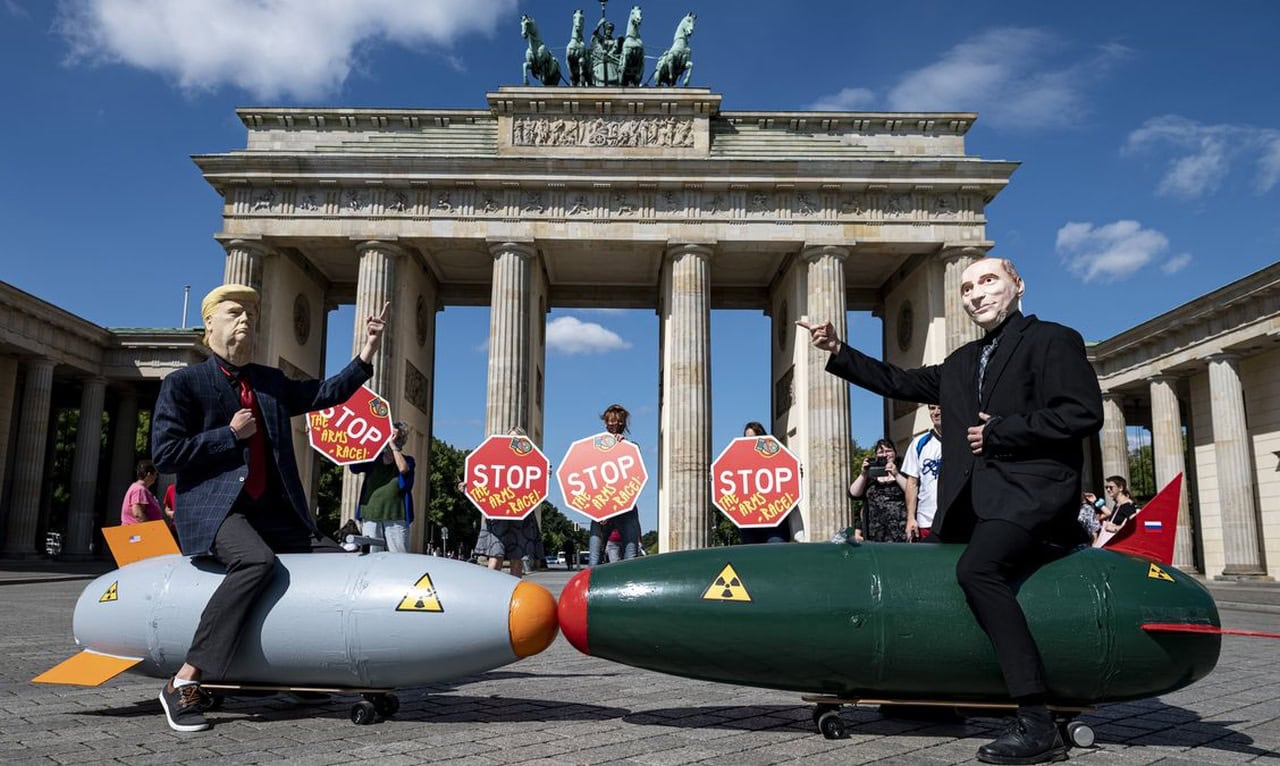
The treaty was then adopted by the UN General Assembly in July 2017 with the votes of 122 states. In the document, which is binding under international law, the signatories undertake “never, under any circumstances, to develop, manufacture, acquire, possess or stockpile nuclear weapons.” 84 countries have signed up to it since then, but not all of these states have yet completed the ratification process. With Honduras, however, the 50 states required for the treaty to become valid on January 22, 2021 have now done so. Proponents of a nuclear weapons ban argue that “such a treaty will help stigmatize and outlaw nuclear weapons in a similar way to chemical weapons and act as a catalyst for their total elimination.” In geostrategic reality, however, the impact of the treaty is questionable and will probably be largely symbolic. It has already been negotiated and adopted without the nuclear powers USA, Russia, China, Great Britain, France, India, Pakistan and North Korea and is still strictly rejected by them – Israel does not even comment on its alleged 90 or so warheads. Germany and other NATO members – the Netherlands was the only NATO country to take part in the negotiations – also stayed away from the adoption because the inherent rejection of the logic of nuclear deterrence is part of the alliance’s strategy. But even non-nuclear states, which are often compared with Austria, did not sign. In January 2019, an expert appointed by the Swedish government advised against ratifying the agreement because it “could jeopardize military cooperation with NATO and the option of joining NATO as well as military assistance in a crisis.” In July 2019, Foreign Minister Margot Wallström finally announced that Sweden – in a very different security environment in the Baltic Sea region than Austria or Switzerland, for example – would not sign the agreement. Speaking of Switzerland: despite initially agreeing in principle to the concerns, the Federal Council ultimately decided not to sign the agreement in summer 2018 due to “numerous unresolved issues of a technical, legal and political nature”. Specifically, an analysis drawn up for this purpose stated that “in the extreme case of defense, reliance on nuclear deterrence cannot be ruled out”. This “revelation” triggered strong civil society protest in Switzerland, which is still more neutral than Austria.
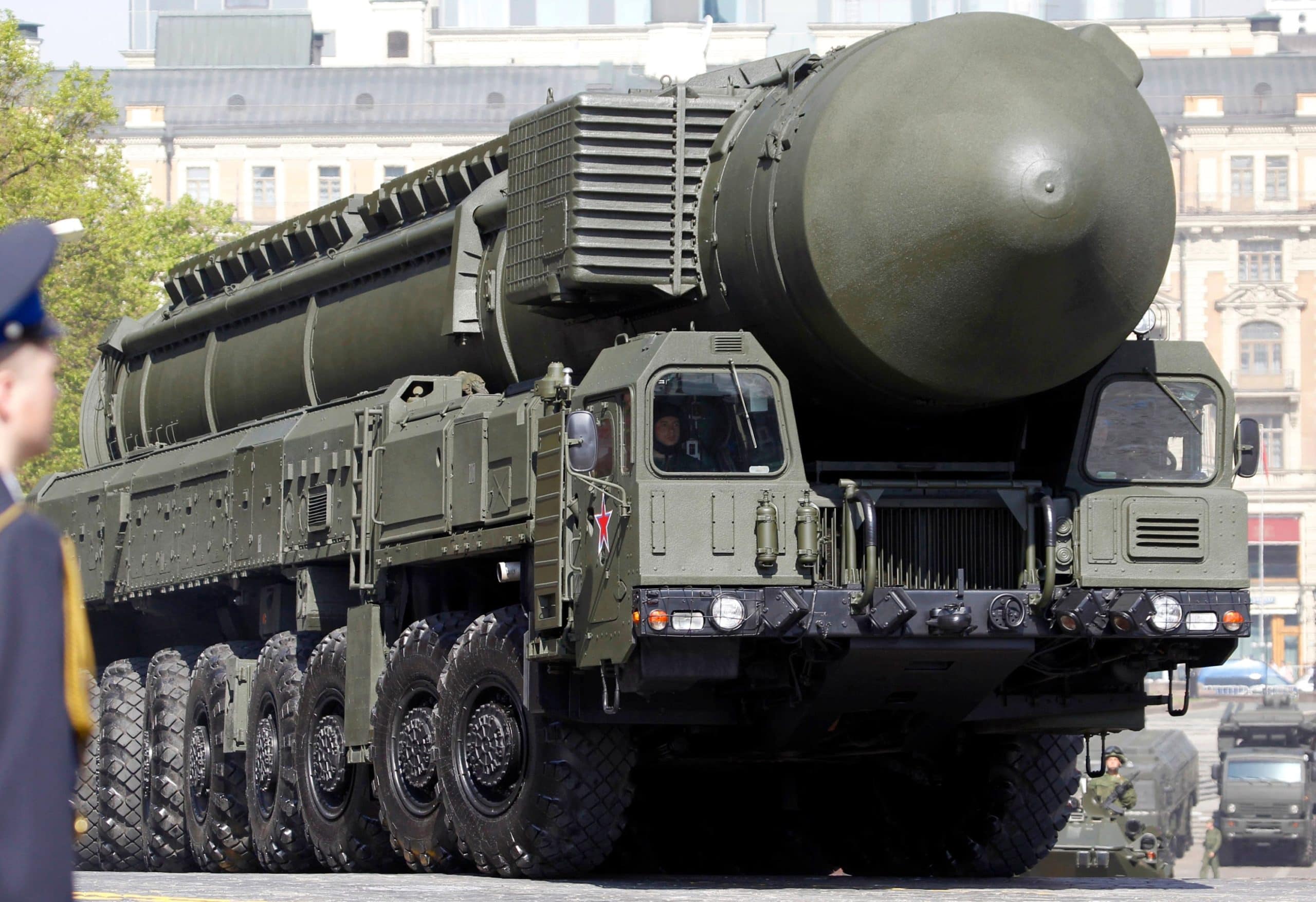
The German Bundestag had already called for the withdrawal of US nuclear weapons from Germany in 2010 – and with a large majority – and this was also enshrined in the 2009 coalition agreement between the CDU/CSU and FDP. In 2016/2017, however, both the CDU/CSU and the SPD supported the German government’s rejection of the UN negotiations in this regard. In its part of the government program, the SPD merely expressed sympathy for the fact that “large parts of the international community are committed to the global abolition of these weapons”. Specifically, the “goal of a pan-European disarmament treaty within the framework of which the remaining tactical nuclear weapons are withdrawn from Germany and Europe” has since been officially mentioned. Meanwhile, the NATO allies practiced the use of American nuclear bombs every October in the two-week exercise “Steadfast Noon”. The five countries with US nuclear weapons stockpiles all have their own carrier aircraft; they form the core of the so-called “nuclear sharing”, which has become virulent again in connection with the upcoming replacement of the Tornado bombers and which until now official Germany – rather reluctantly – has considered to be just about indispensable in order to have a say in that “club” and stay informed. In total, more than 50 combat aircraft took part in the exercise this year, including two USAF B-52s from Louisiana and the Bundeswehr with the aforementioned Tornados. One aspect of this is “Resilient Guard”, the defense of those bases where the less than 200 tactical US nuclear weapons are stored in Europe. In addition to Volkel, these are the airfields at Kleine-Brogel in Belgium, Aviano and Ghedi in Italy and Büchel in the Eifel region, where the Bundeswehr also practiced defending the airbase. However, there should no longer be any bombs in Incirlik in Turkey.
Continue on the next page.