Moscow’s relations with Beijing, which are officially described as “boundless friendship”, especially by the Russian side, are obviously much more fragile than is often portrayed. After all, how else can one explain the fact that a “relatively meaningless comment” (Russian original quote!) by Russian military blogger Ilya Tumanov, operator of the Telegram channel “Fighterbomber” with around 546,000 subscribers, is still causing considerable upheaval in Russian-Chinese relations almost three weeks after its publication.
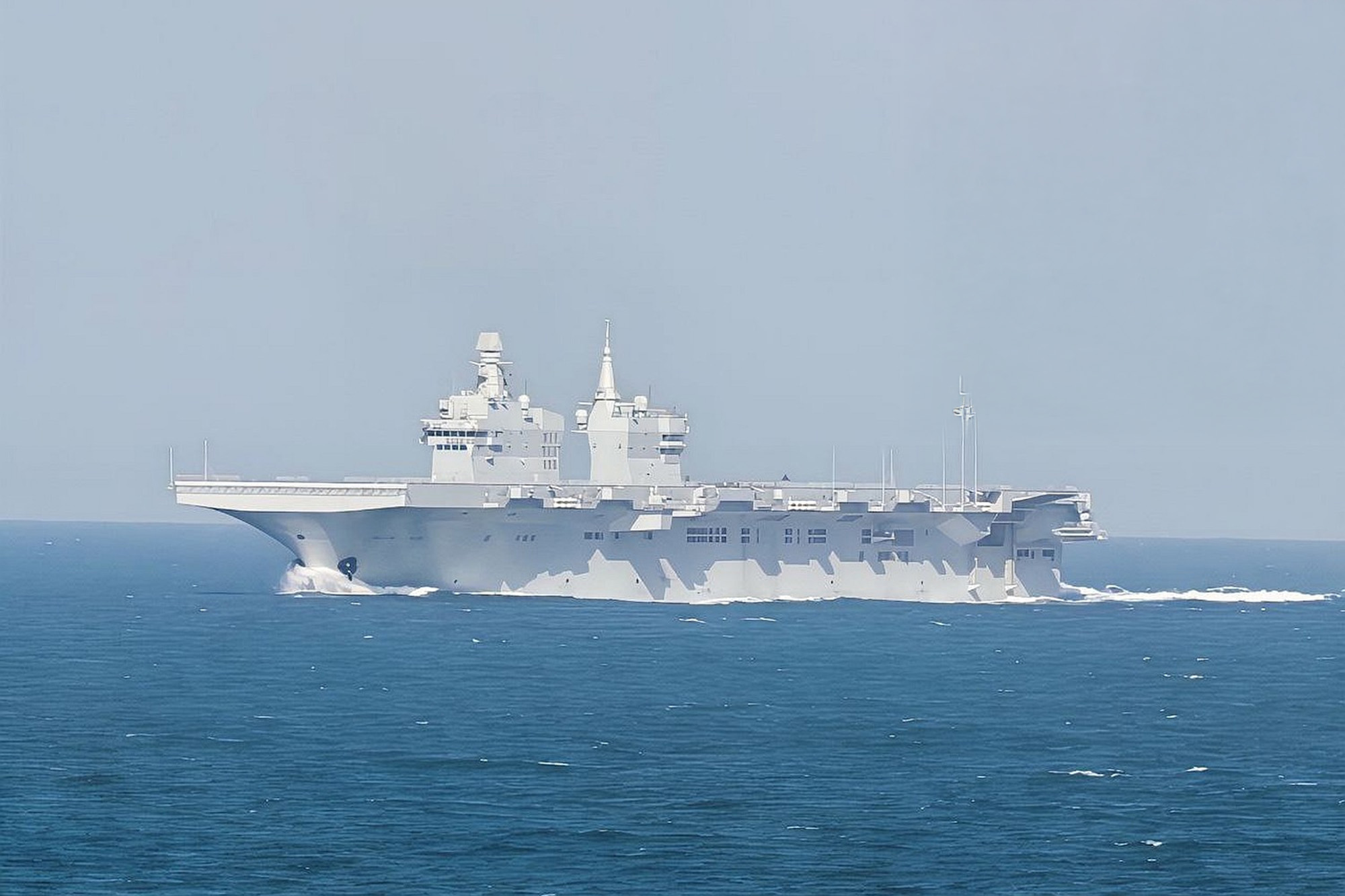
“Fighterbomber,” who covers Russian military aviation as the primary topic of his channel, wrote in early December in a post he himself described as “hard off-topic,” “Subscribers in Sea and Ocean spotted the Type 076 ‘Sichuan’ universal landing ship conducting sea trials in Shanghai. I wonder how many X-31As it would take to sink something like that.”
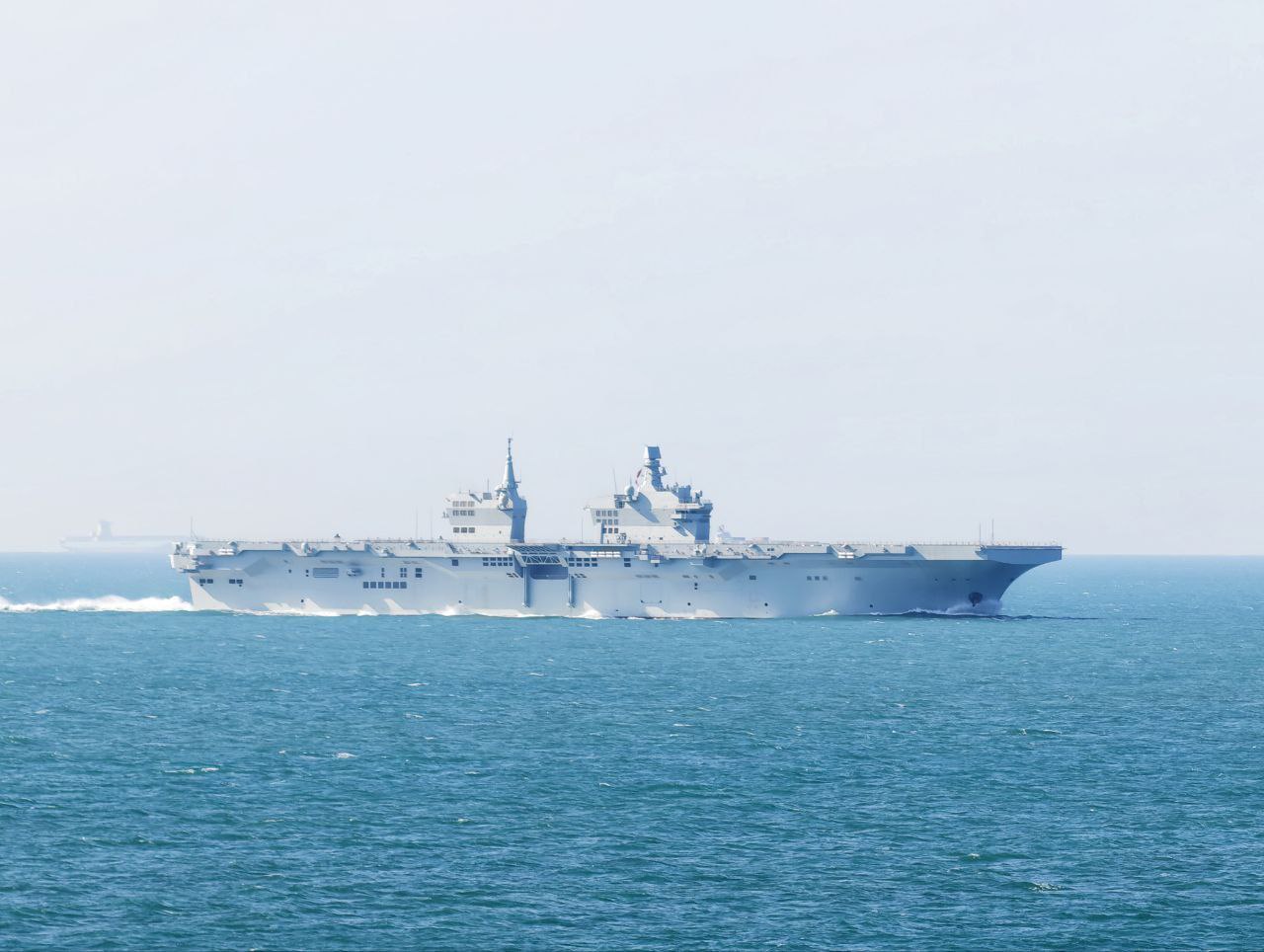
Two sentences and two photos that went down like a bomb in the People’s Republic of China. The post spread quickly in Chinese open source intelligence communities (OSINT) and on social media platforms such as Weibo.
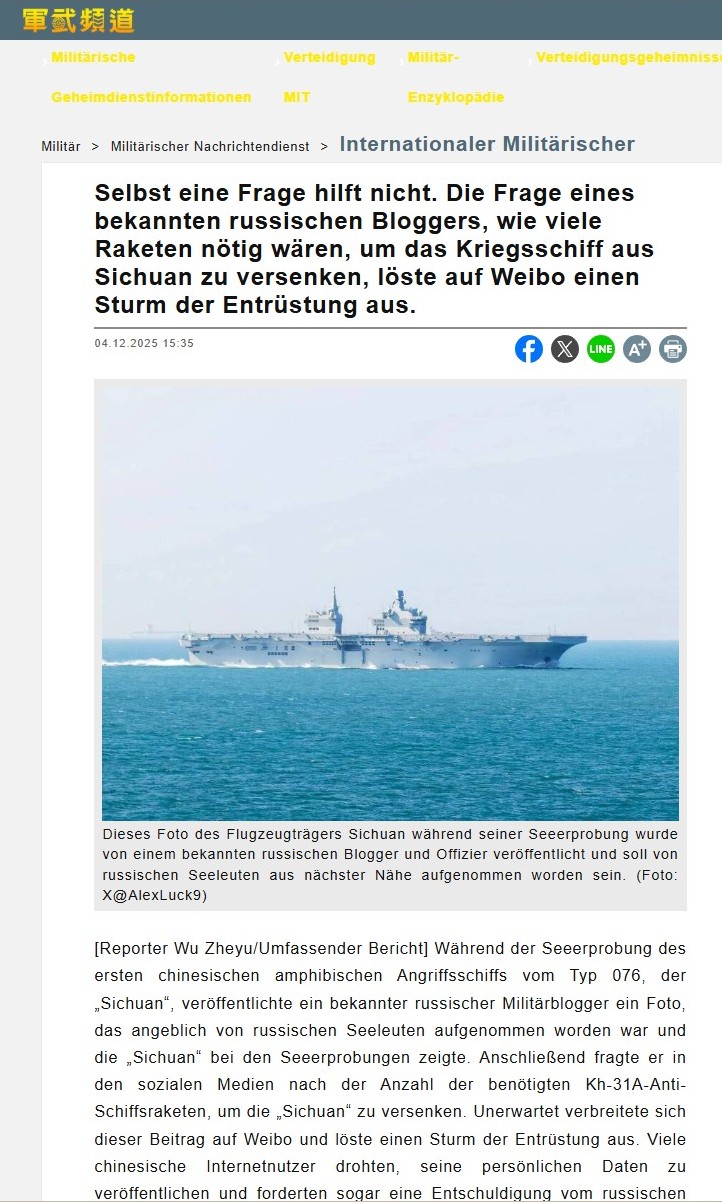
The “Sichuan” was allegedly photographed by Russian sailors during sea trials near Shanghai. Chinese OSINT channels and commentators quickly identified several people who were allegedly involved in the shooting. Calls were made for the publication of personal data of the Russian participants, “cyber retaliation” and an official apology from the Russian Ministry of Defense.
Weibo users described the blog post as a “hostile gesture towards an important defense partner”. They also called for Tumanov and the sailors who photographed the warship during the non-public test drives to be banned from entering the country.
Fragile relationship between Russia and China as a blogger topic
Although the entry is now almost three weeks old, the matter by no means appears to be closed. The prominent blogger “Woencor” – the name is derived from voennye korrespondenty (“military correspondents”) – has now written of a “telling example of the state of relations between Moscow and Beijing”.
A single private comment with no official status and no consequences for the author triggered a veritable storm – despite all the assurances of “boundless friendship”, says Woencor, who goes on to explain: “In a normal alliance, this sort of thing would either be ignored or dealt with quietly. Here, however, we saw demonstrative insults and demands for official action. The systematic monitoring of Russian media by Beijing is particularly noteworthy. They read not only official statements but also informal military channels and draw conclusions about the actual moods. Every signal here is perceived as a cause for suspicion, and under such conditions the ‘boundless friendship’ seems more like a convenient formula of public rhetoric than a reflection of actual relations.”
It is remarkable that the fragility of the Sino-Russian alliance is being discussed so openly in Russian Telegram channels. Russian bloggers now have to register their channels with the information technology authority Roskomnadzor. The law lifting the anonymity of bloggers came into force in November 2024.
“Fighterbomber” reacts
Meanwhile, “Fighterbomber” also reacted to the developments: “Well, I was also somewhat surprised by the reaction of my Chinese colleagues to my innocent interest in how many missiles would be needed to sink such a ship. The proposal was practically taken as a declaration of war by the Chinese and triggered a firestorm of Chinese anger.”
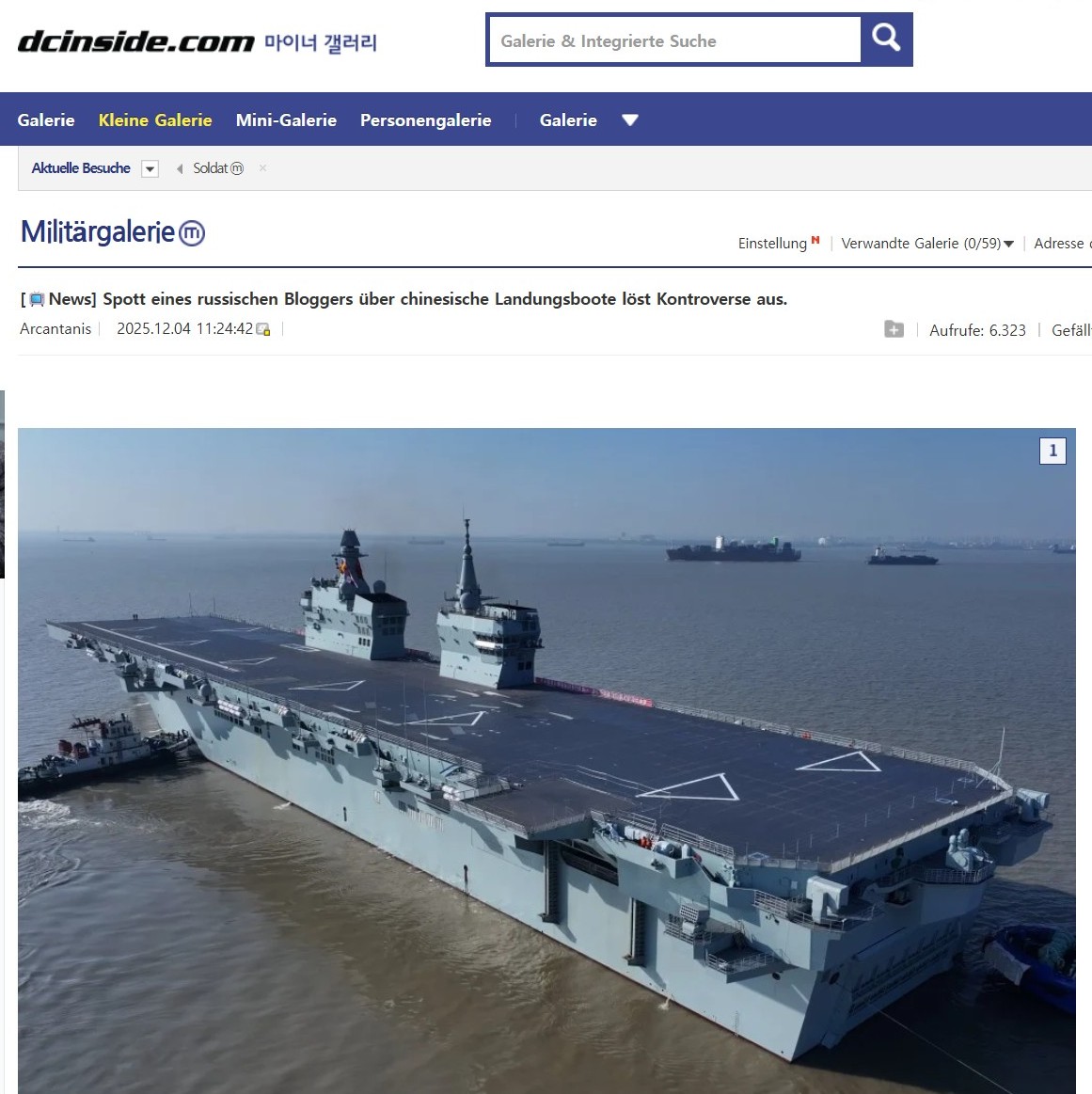
It goes on to say: “But according to the sources of the panic – Osintov’s Chinese Telegram channel, or more precisely the comments in it, which have already been circulated by Chinese media – the Chinese were there with pig ears.”
In Chinese media – all of which are state-controlled – Ilya Tumanov is classified as a “military officer of a friendly country”. His “provocative remarks” could symbolize that the line between allies and potential competitors is becoming increasingly blurred, they say.
Regarding the “situation on the Internet”, “Fighterbomber” wrote on Friday, December 19, 18 days after posting: “In short, they demand that I be banned from entering China, that I personally apologize, that the Ministry of Defense apologize, that the ship from which the ‘Sichuan’ was photographed be banned from entering ports, and that the photographer be jailed. I am portrayed as a Ministry of Defense official, an active military man, and someone who has no idea about the defense capabilities of the Sichuan because he decided it could be sunk with a single X-31A. Hell, I haven’t even started on that yet.”
The deeper background
The deeper background to this rather flippant suggestive question is probably the now manifest Russian inability to build larger warships. Russia has been failing spectacularly for years to overhaul its only aircraft carrier “Admiral Kuznetzov” (-> Russia scraps its only aircraft carrier).
The attempt to obtain expertise and two Mistral-class amphibious assault ships via France failed in 2014 due to the sanctions following the annexation of Crimea. In order to avoid having to address this failure, the narrative that large military ships are no longer viable in modern war scenarios is increasingly being promoted in Russian military circles. The fact is, however, that there are around 50 large aircraft and helicopter carriers in 15 countries around the world. Russia no longer belongs to this league.

Type 076 “Sichuan”
The ship in question is the newest and largest amphibious assault ship of the Chinese People’s Liberation Army Navy to date. The type ship of the new class displaces around 40,000 tons, has a full-length flight deck and several elevators for the operation of aircraft.
The “Sichuan” is designed for the use of rotorcraft and fixed-wing drones. A novelty is the electromagnetic catapult specially configured for unmanned systems – unique in the world for an amphibious assault ship. In the future, this should also enable the launch of manned combat aircraft, including next-generation stealth aircraft such as the Shenyang J-35. The “Sichuan” is currently expected to be operational by the end of 2026.
Here for further articles on the Chinese armed forces.