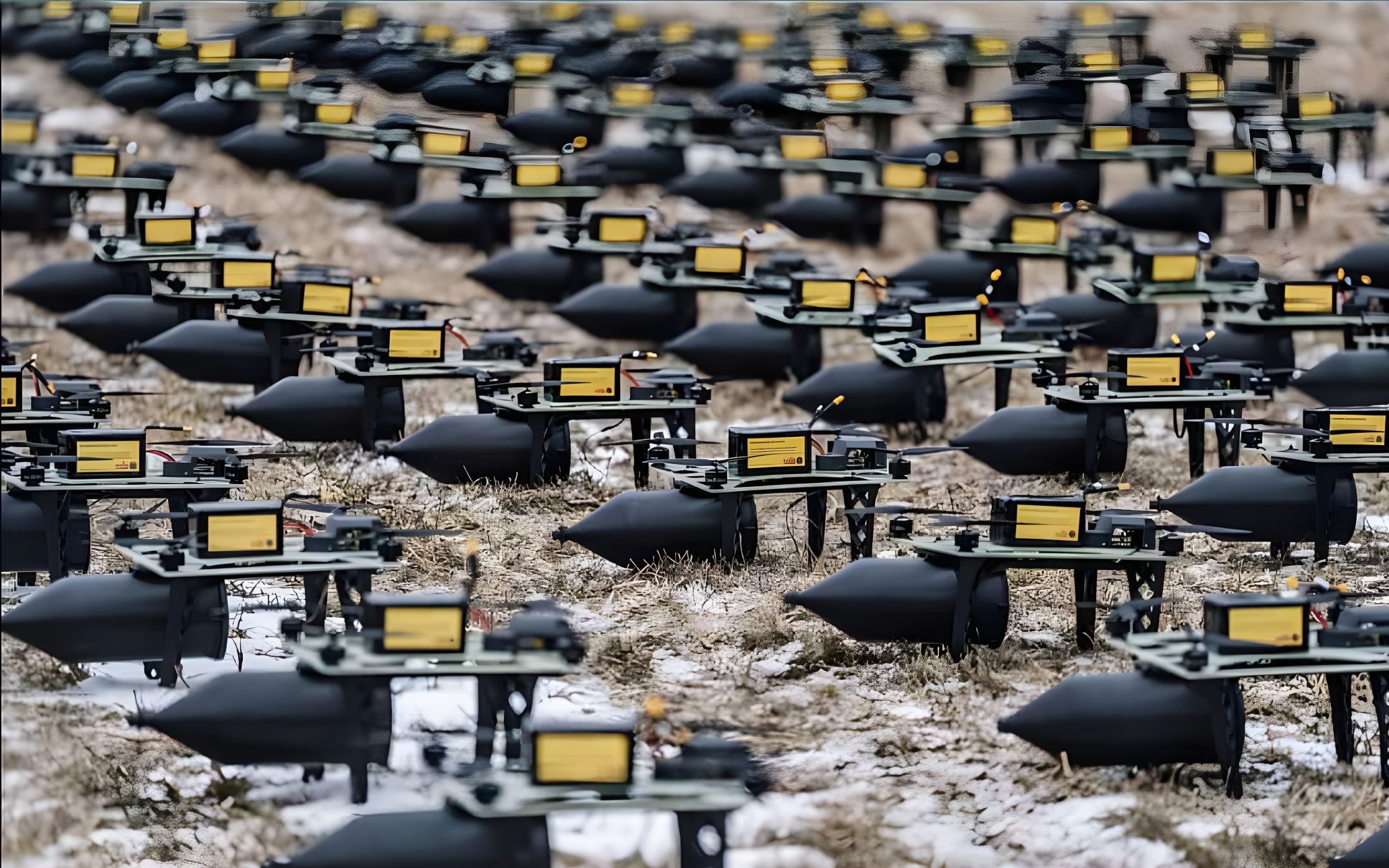
The development of unmanned systems in Russia’s war of aggression against Ukraine shows clear trends: There are more and more systems, both in absolute numbers and in terms of the variety of types. Their range is increasing, there are more possible uses and artificial intelligence (AI) has finally arrived on the battlefield. And in terms of personnel, drone units are also the fastest-growing military units.
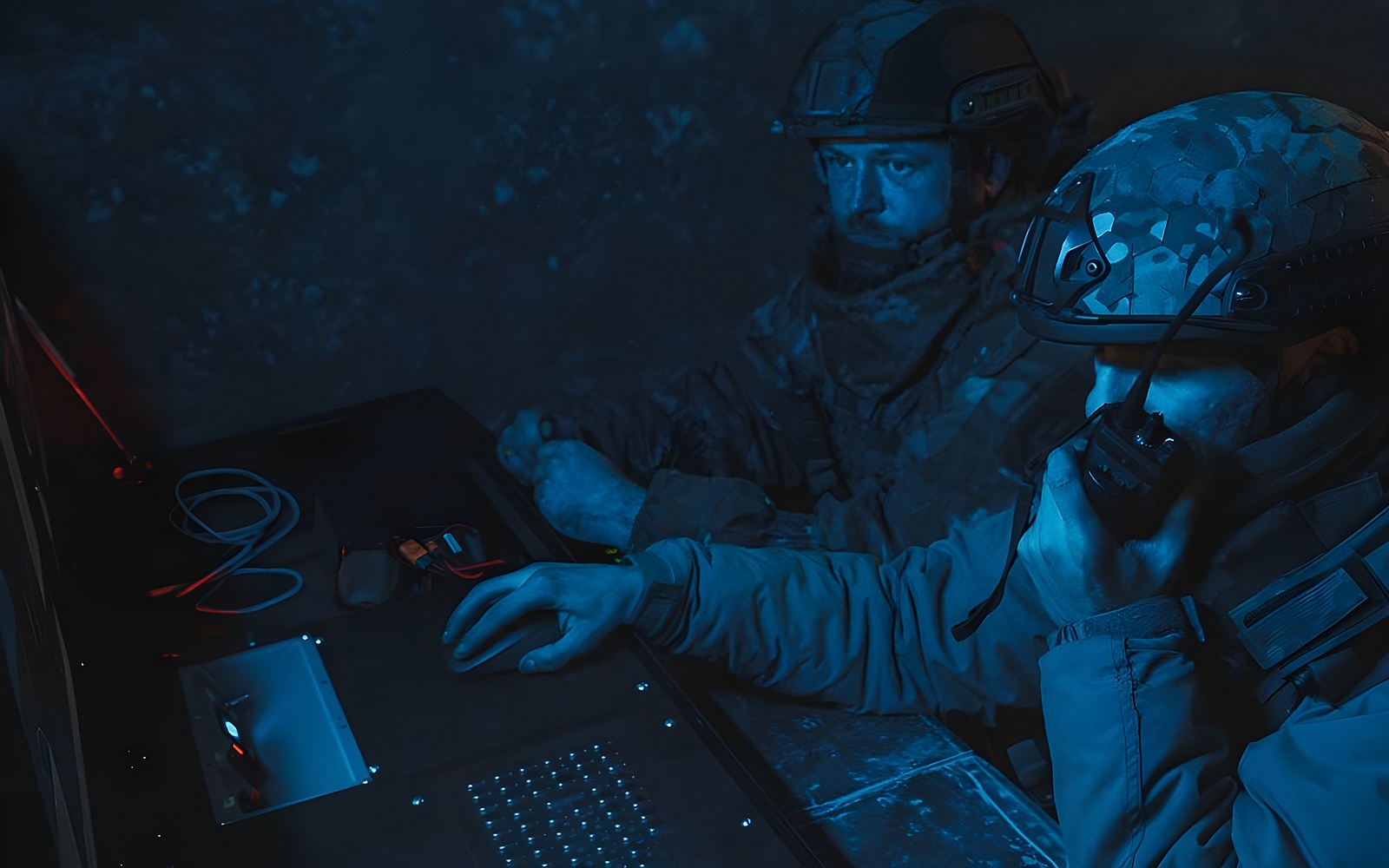
The Russian armed forces are planning a large-scale expansion of their unmanned systems forces established in 2025 with the aim of increasing the number of these troops to 165,000. As of the end of January/beginning of February, Ukraine has deployed its “Unmanned Systems of the Armed Forces of Ukraine” sub-force exceeded a personnel level of 86,000. By April 1, the number will reach 100,000 men.
7 million Ukrainian drones
Ukraine is estimated to have procured around four million drones in 2025. The majority of these were disposable weapons – from FPV drones for tactical use on the battlefield to long-range attack drones with a clear strategic focus.
Ukrainian President Volodymyr Zelensky recently spoke of Ukrainian capacities to produce 2,000 interceptor drones per day in connection with the experience of drone defense during the Iran war. Ukraine has set itself the target of procuring seven million drones by 2026, which means that the daily consumption of 10,000 or more systems from the previous year could rise to around 19,000 or more.
Amazing variety
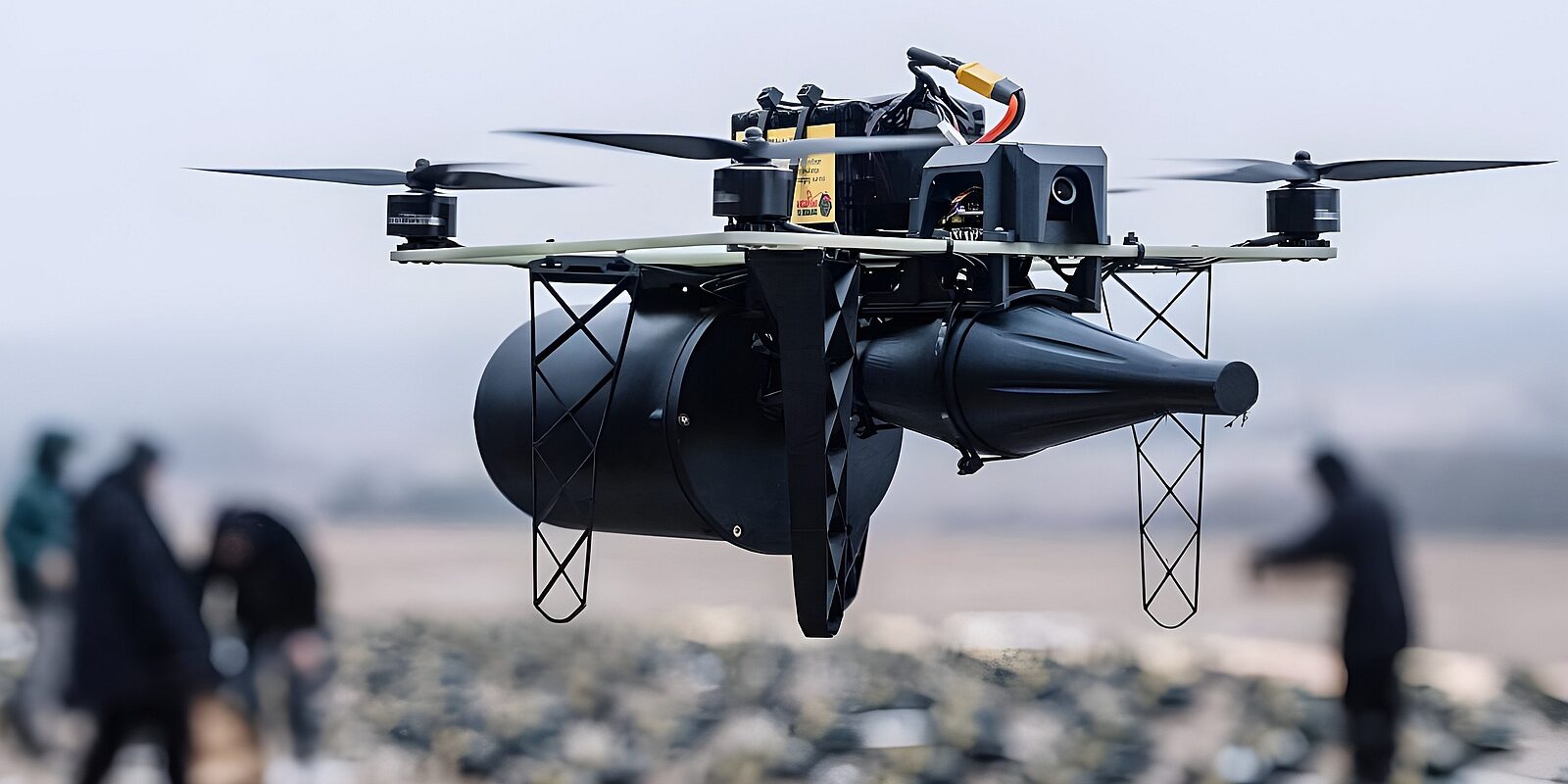
If you want to get a “small” overview, the Ukrainian Brave1 market is a good place to start. There are currently 1,343 drone models and variants on offer. These include 581 radio-controlled FPV models, 434 fiber-optic cable FPV models, 38 heavy-duty drone models/variants and 28 different tactical reconnaissance drones. For comparison: there are currently 18 supersonic fighter aircraft types in production worldwide.
The majority of these systems are immediately available. This is in line with the policy openly propagated by the head of Ukraine’s Unmanned Systems Forces that it is not the pilots who have to wait for the drone, but that drones must always be available for pilots.
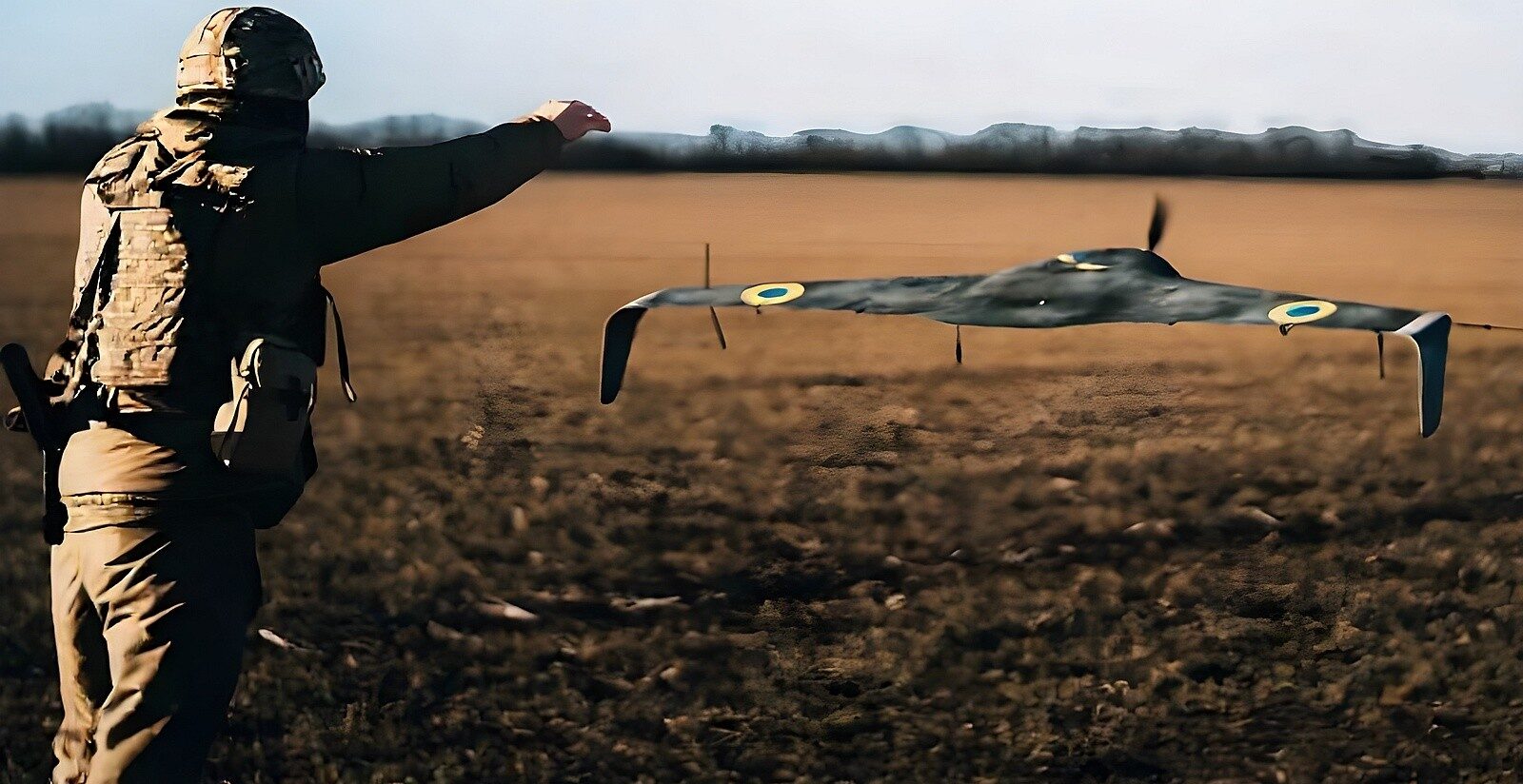
At 162, the number of unmanned ground systems is now almost unmanageable. Ukrainian soldiers can choose from no fewer than 400 electronic warfare and support systems. In addition, 67 different drone warning systems and over 1,100 accessories are available for drone warfare.
Of particular interest is a comparatively small but growing group of currently 33 AI modules with a wide range of auxiliary functions for drone pilots. Plus software, tactical equipment and simulators. And all of this does not yet include what soldiers and units obtain themselves or receive via donation initiatives.
Russia’s attack drones
According to Ukrainian estimates, Russia is diverting funds from missile production to drone production. Russia currently has the capacity to fire 350 to 500 long-range attack drones per day. The target for this year is 600 to 800 drones and the overall target is 1,000 drones per day.
As of mid-March, Ukraine says it has reached parity with Russia in terms of the number of long-range drone strikes. In terms of the sheer number of FPV drones, Russian commentators still see their armed forces at an advantage. Technically and tactically, however, the drone sky currently belongs to the Ukrainians, according to Russian military bloggers.
Reach
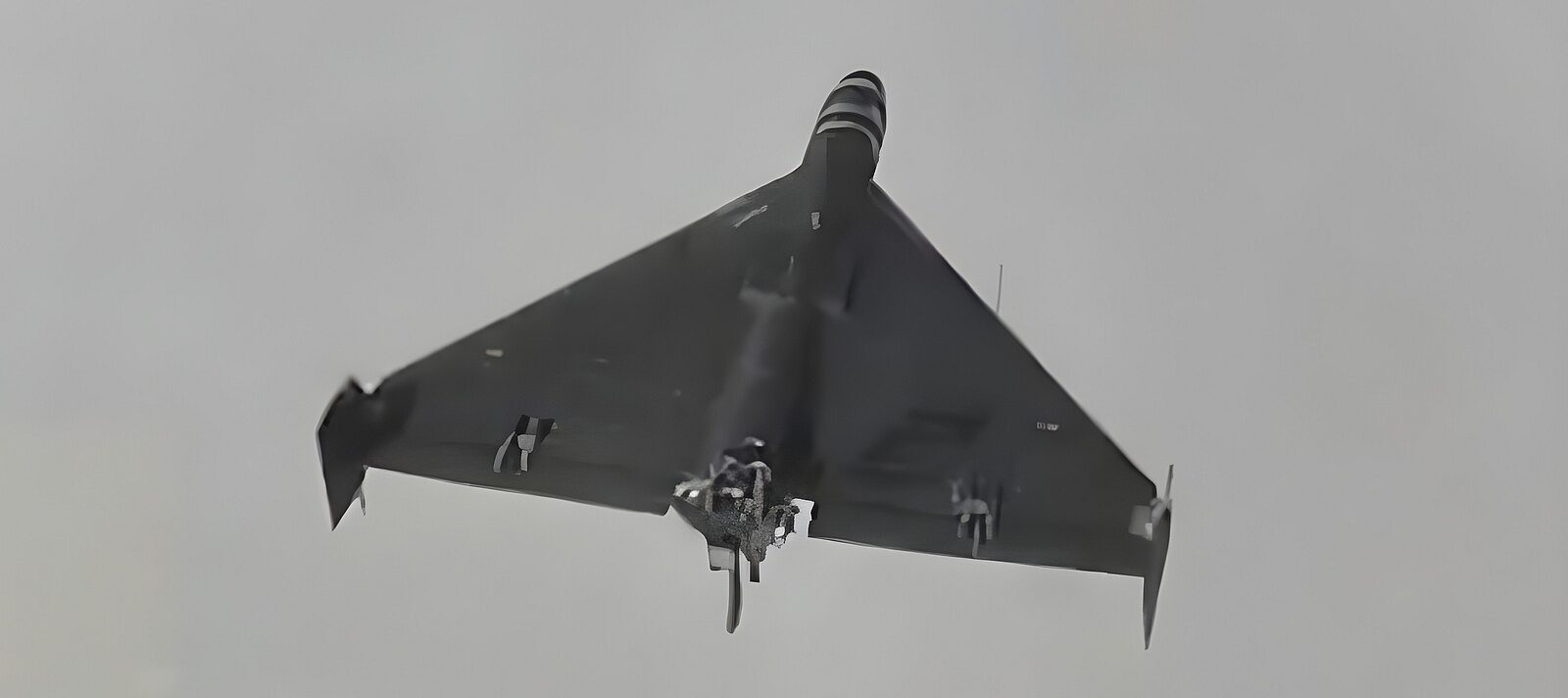
If the latest reports are to be believed, the Ukrainian tactical drone missions to seal off the battlefield extend to around 150 kilometers behind the front line.
Russia has, at least until the Starlink outage (-> Starlink out hits Russian troops hard), had launched similarly deep attacks and successfully hit Ukrainian supply trucks dozens of kilometers inland. The result: Ukrainian net tunnels to protect against drones on the main supply routes behind the front line are already 40 kilometers long in some cases. The absolute death zone is described as being around 20 kilometers wide on both sides of the rather imaginary front line.
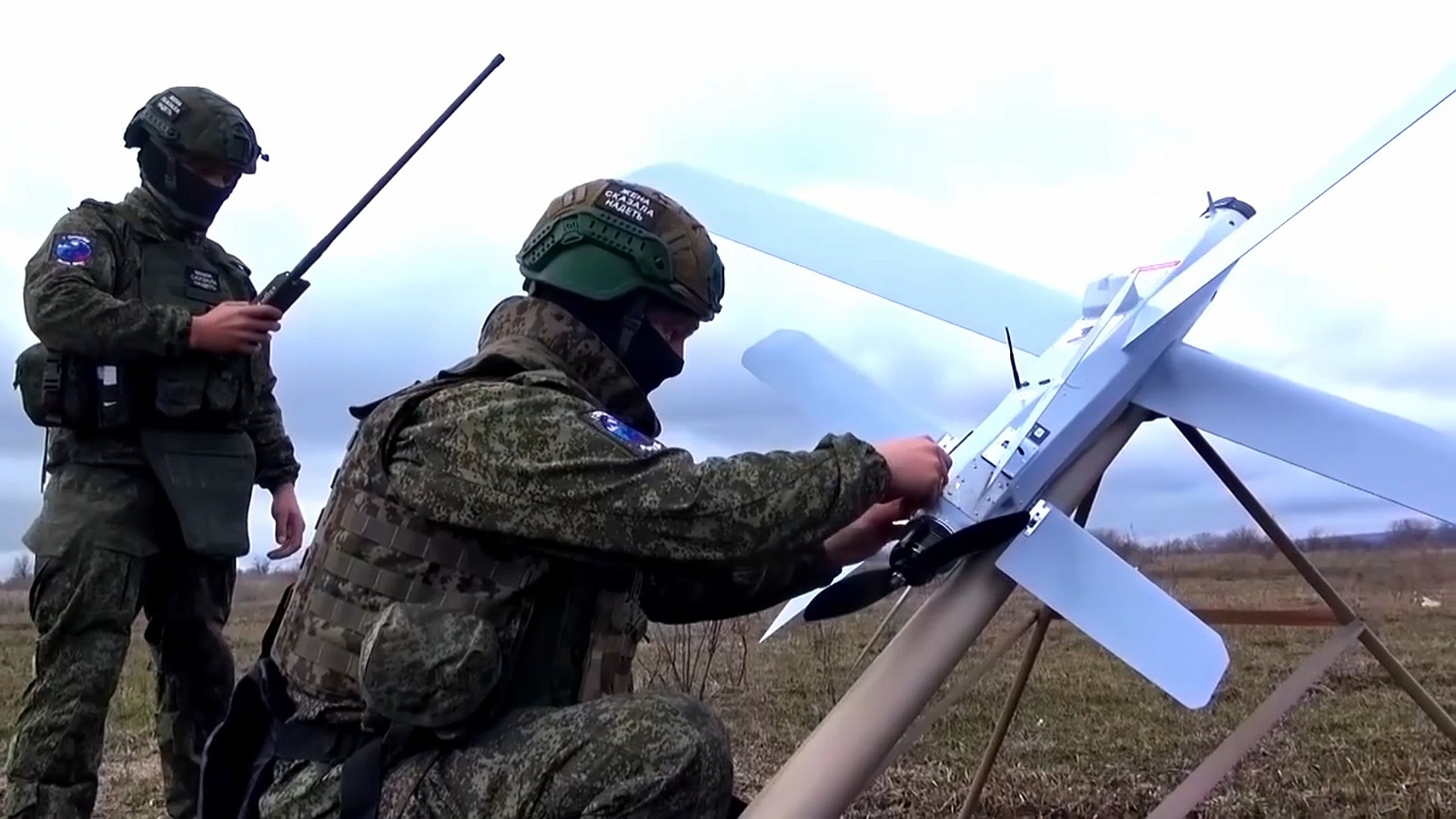
In terms of the range of long-range attack drones, Ukraine’s disadvantage is slowly turning into an advantage. From the beginning of the attack in 2022, Russia was able to strike targets throughout Ukraine. Initially with cruise missiles, then increasingly with drones.
However, Ukraine is catching up. It is able to reach ever larger areas in the depths of Russia and thus also shoot at targets that were previously protected by distance alone. In addition to the oil and gas industry, there is a recognizable focus on key components in the defence industry.
Recently, Sergei Shoigu, Russian Defense Minister until 2024 and since then Secretary of the Security Council of the Russian Federation, was forced to admit that Ukrainian long-range attack drones threaten previously unreachable targets. “The Urals, which until recently were inaccessible to air strikes from Ukraine, are now in a direct threat zone,” explained Shoigu at an external meeting in the Urals Federal District. “The development of combat means, especially unmanned systems, is such that every region of Russia is under threat.”
The largest range of Ukrainian drones publicly confirmed by Russia to date concerned the area of Yekaterinburg – over 2,000 kilometers from Kiev.
And then there’s the AI
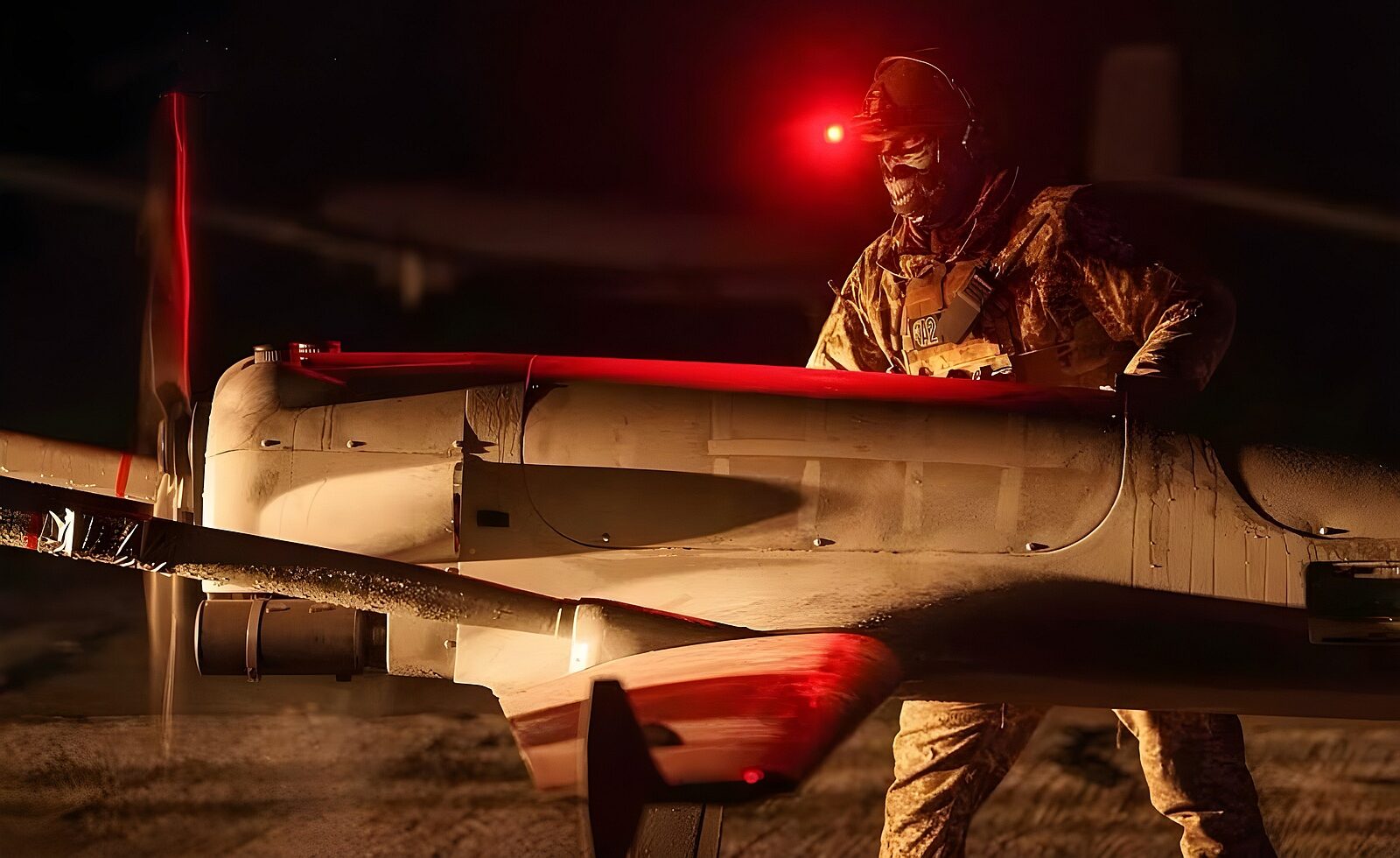
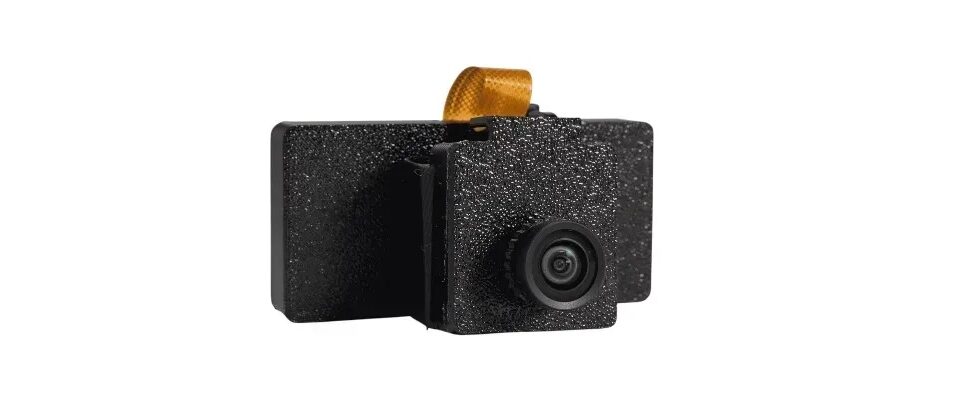
Ukraine’s latest magic box, TFL-1, comes from The Fourth Law. The inconspicuous black plastic device, which costs 118 euros, controls a drone in the final phase of flight itself. This means that the most critical area of flight under real combat conditions is covered by AI support.
This is because the flight altitude drops on final approach, increasing the chance of falling behind the radio horizon – because hills, trees and houses obstruct the direct line of sight between the transmitter and receiver. This makes it possible to fly in the area most intensively protected by electromagnetic interference systems.
If the pilot loses control on final approach, the TFL-1 auto-steer module takes over. The result is a 2 to 4-fold increase in the effectiveness of the attacks. Ukrainian FPV pilots can currently choose from a total of 16 types and variants of such automatic target modules. A trend that Russia has not yet been able to follow.
Unmanned ground vehicles
In 2024, Ukraine deployed around 2,000 ground drones (UGV) to the front line. In 2025, the number rose to 15,000. Currently, the number of units per month is over 7,000 (-> More than 7,000 missions in January: Ukraine relies more and more on ground drones). The average number of 10,000 systems per month or 120,000 for the entire year is expected to be reached in 2026. Figures for Russia are not available. But there are at least enough indications that Russia is also making enormous efforts in this area. For the most important types, they have left the hobby garage and set up series production.
However, the end of Starlink was a setback for Russia, which is also having an impact on the UGV sector, at least for the time being. However, the changeover to a new control concept will not take more than several weeks at best.
As fast as the wind
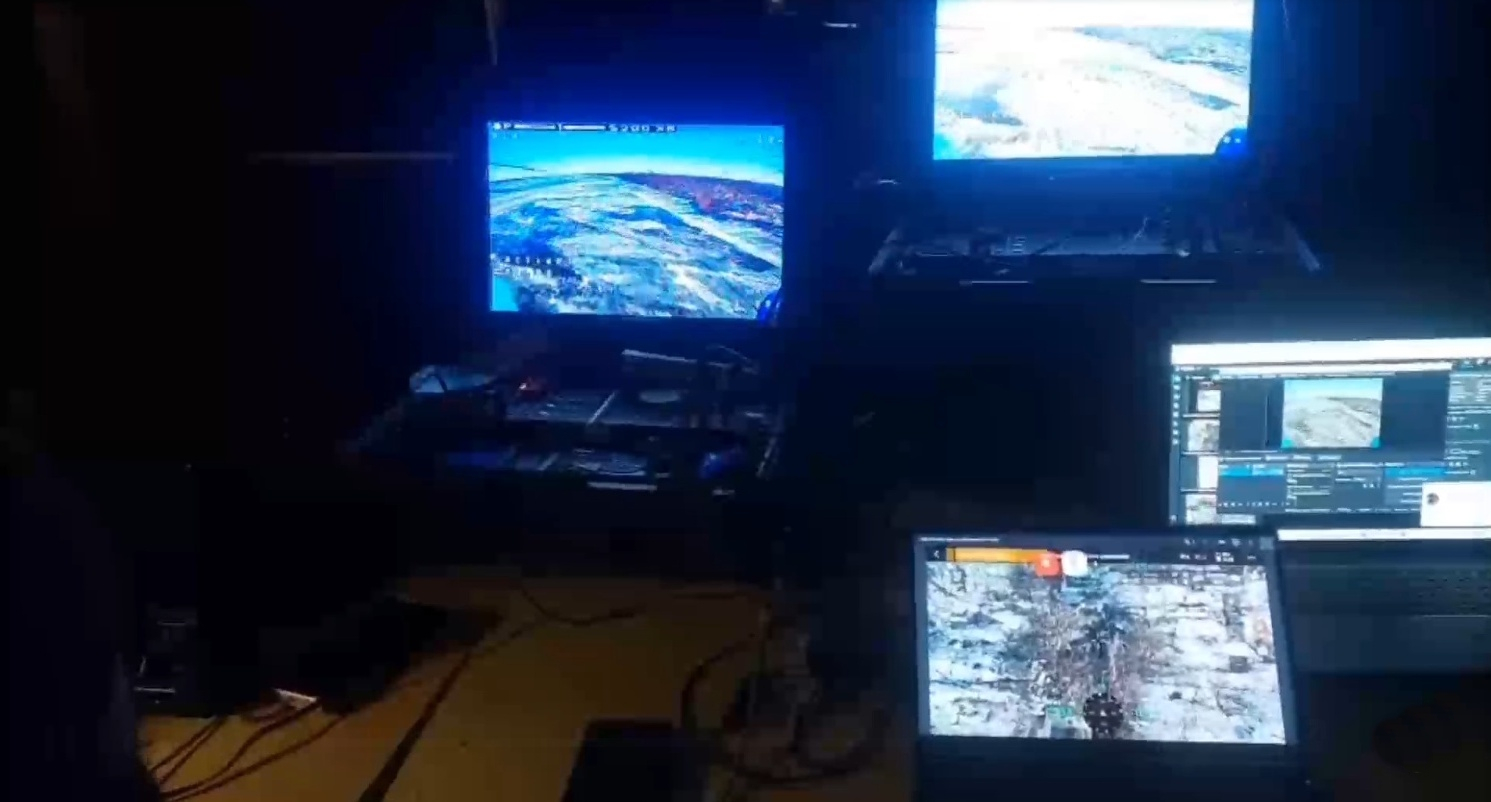
This is because the pressure to innovate on the front line is extremely high and the cycles are shorter than for most civilian or military technologies. New versions or upgrades of software are usually released every three to four weeks. Sometimes, however, it only takes a few days. For hardware, the cycles are two to three months, especially in the low-tech sector, it often only takes a few weeks.
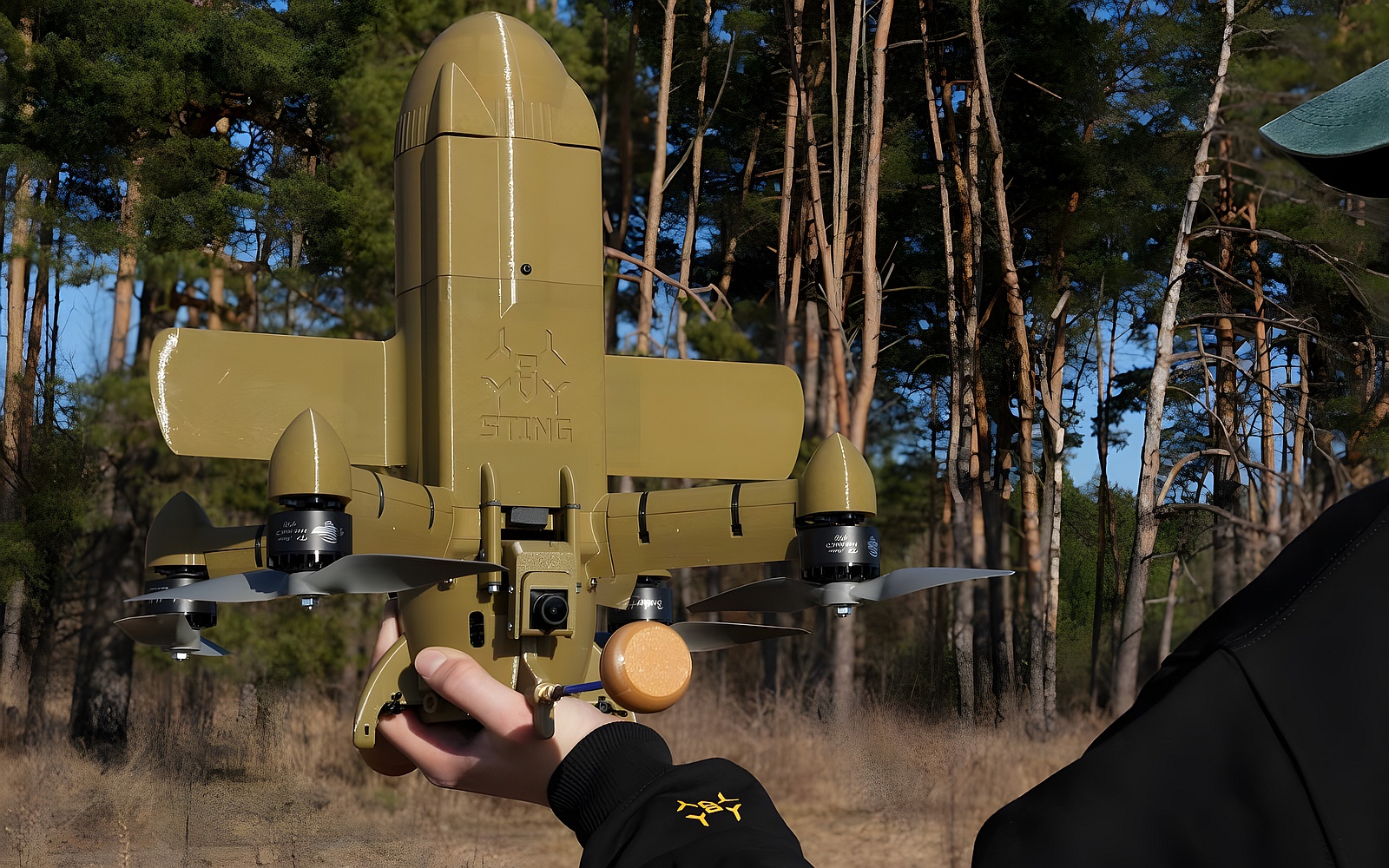
With the emergence of new technology on the front line, a process begins that delivers the first countermeasures in just a few weeks. Nowadays, 3D printing in particular enables extremely fast adaptations: Hulls, battery compartments and camera housings are constantly being redesigned and printed.
On the battlefield in Ukraine, the effects of the so-called fourth industrial revolution coupled with the pressure to survive are manifesting themselves. Networking, AI and machine learning, big data and data analysis as well as additive manufacturing are paired with permanent improvement and renewal.
Nothing new in the West
In particular, the drone war in Ukraine has completely detached itself from the development, production, procurement and deployment processes traditionally used in the West.
For comparison: The Austrian National Defense Report from 2022 speaks of the procurement of reconnaissance drones for the combat and tactical levels. At the end of August 2025 the first of 315 combat reconnaissance drones arrived at the Austrian Armed Forces. For the tactical level, the replacement of the tracker drone reconnaissance system ordered in 2013 and delivered in 2016 is still pending.
While the motto “train as you fight” continues to apply to the troops – as far as this is possible – the procurement cycles of Western armies have become completely disconnected from the reality of war. The crux of the matter is that a military conflict – and that is what you want to be able to defend against – does not adhere to the established timetables of Western procurement modalities.
A cheap peace could be deceptive
The following theoretical calculation shows that a peace agreement in Ukraine without an accompanying set of rules and their monitoring can be deceptive.
Taking into account the currently estimated Russian production rate of 500 long-range attack drones per day, a stockpile of 135,000 drones will be created after nine months. If Russia were to maintain this production rate, it could fire one drone every minute for 142 days. 1,440 every day for almost five months. Until it would have to reduce their deployment to the production rate again.
The theoretical stock level of tactical drones with AI modules after just nine months of peace, based on a production of seven million systems per year, is 5.25 million. The total number of active NATO-soldiers is around 3.42 million as of 2026.
Here for more news about the Ukrainian armed forces and here to our drone topic area with all the latest news on the subject.