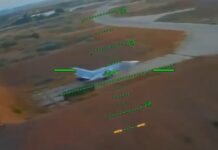
In the night from November 24 to 25 Ukraine reportedly carried out Ukraine reportedly carried out a coordinated precision attack on the Beriev Aircraft Company site and the Taganrog-Yuzhny airbase in the Rostov region of Russia. Both Bars jet drones in a one-way configuration and Neptune cruise missiles in a land-based attack version were used. The systems overcame Russian air defenses and hit one of the country’s most important aviation centers.
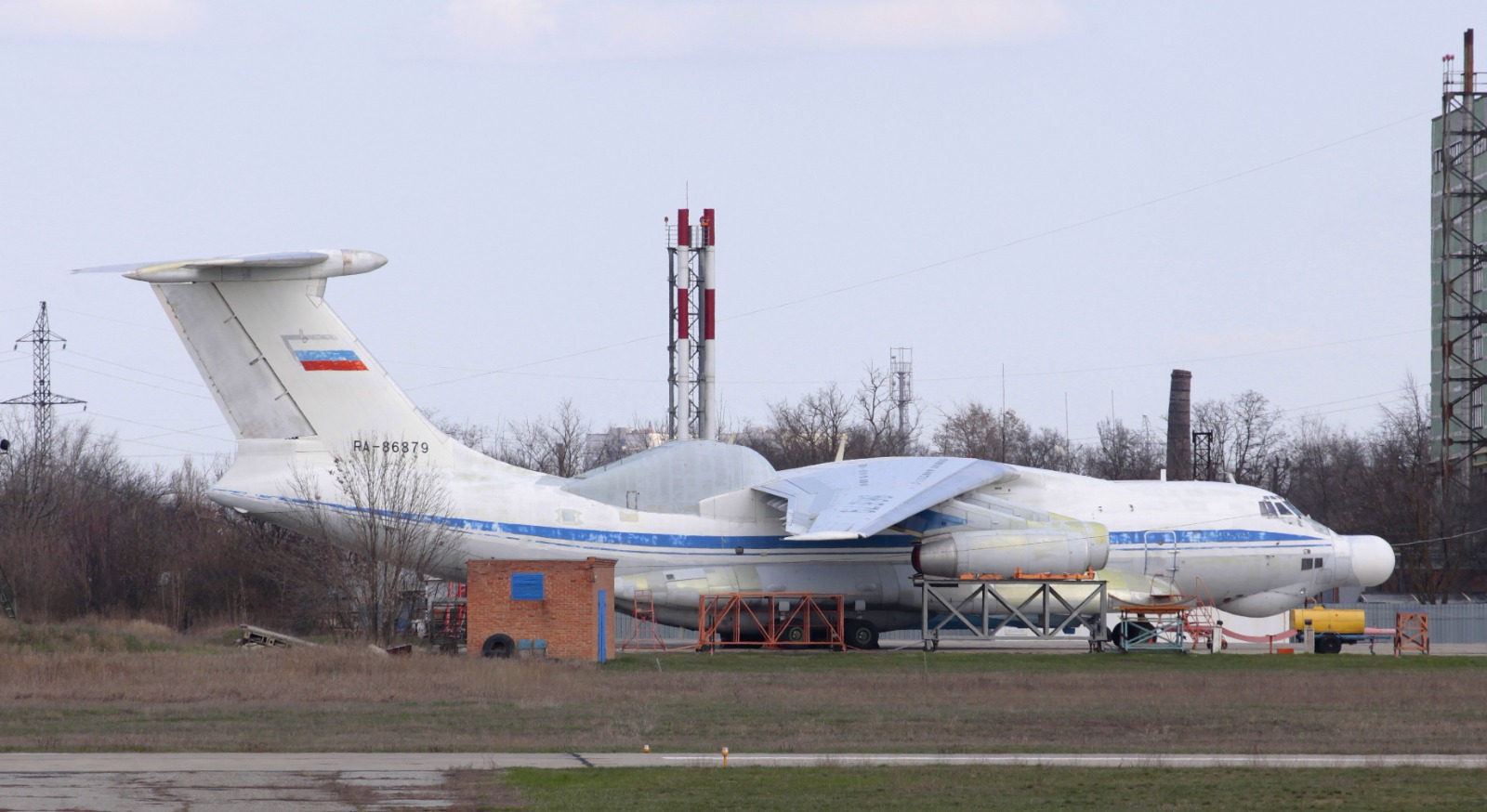
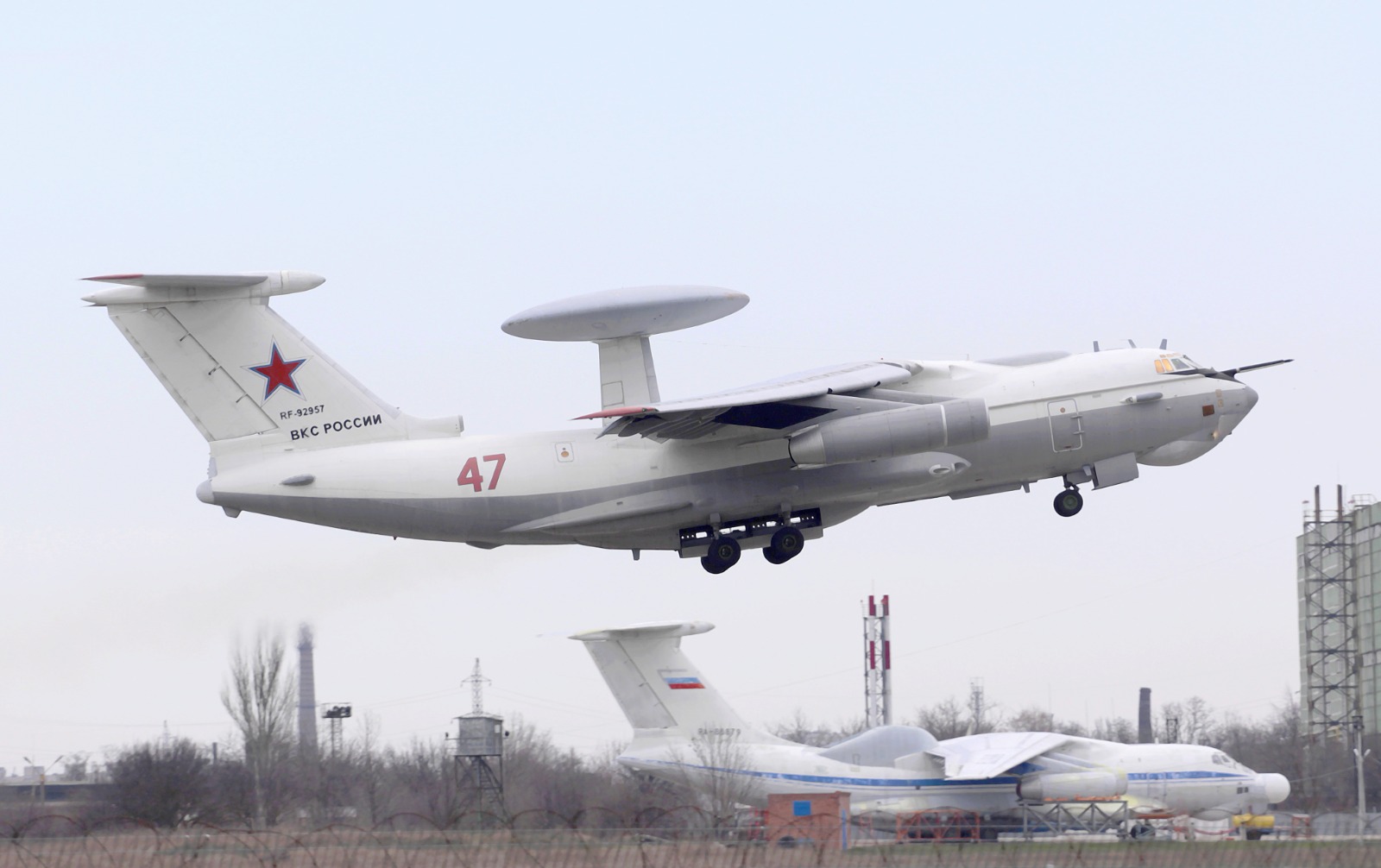
Satellite images and OSINT evaluations confirm the destruction of the Beriev A-60, Russia’s only flying laser test carrier. The special aircraft, based on an Il-76, was equipped with a CO₂ laser in the megawatt range and was used as part of the Sokol-Eschelon program to research satellite and missile defence capabilities.
The status of a second destroyed aircraft remains unclear. Initial reports spoke of the A-100LL, an AWACS test carrier. However, more recent analyses indicate that it may have been a modified Il-76 or an A-100 airframe without a radome. A reliable confirmation is still pending.
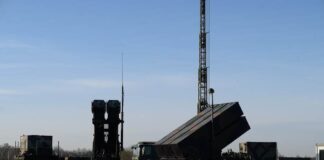
The attack also damaged the final assembly halls, several maintenance hangars for the modernization of Tu-95MS strategic bombers and presumably also an S-400 system. Russian authorities reported three civilian deaths, eight injuries and considerable collateral damage in surrounding residential and industrial areas.
Strategic impact: With the loss of the A-60, Russia’s research into airborne laser weapons has come to a standstill. The uncertainty surrounding the condition of the A-100 also raises questions about the future of the Russian AWACS modernization programme. At the same time, the Ukrainian attack demonstrates the ability to hit high-value targets at a depth of more than 600 kilometers on Russian territory – a clear damper on Moscow’s confidence in its own air defence systems.
Here for more news about the Ukrainian armed forces and here to our focus on drones.