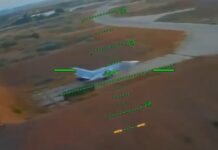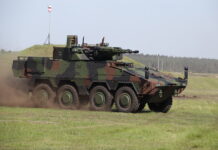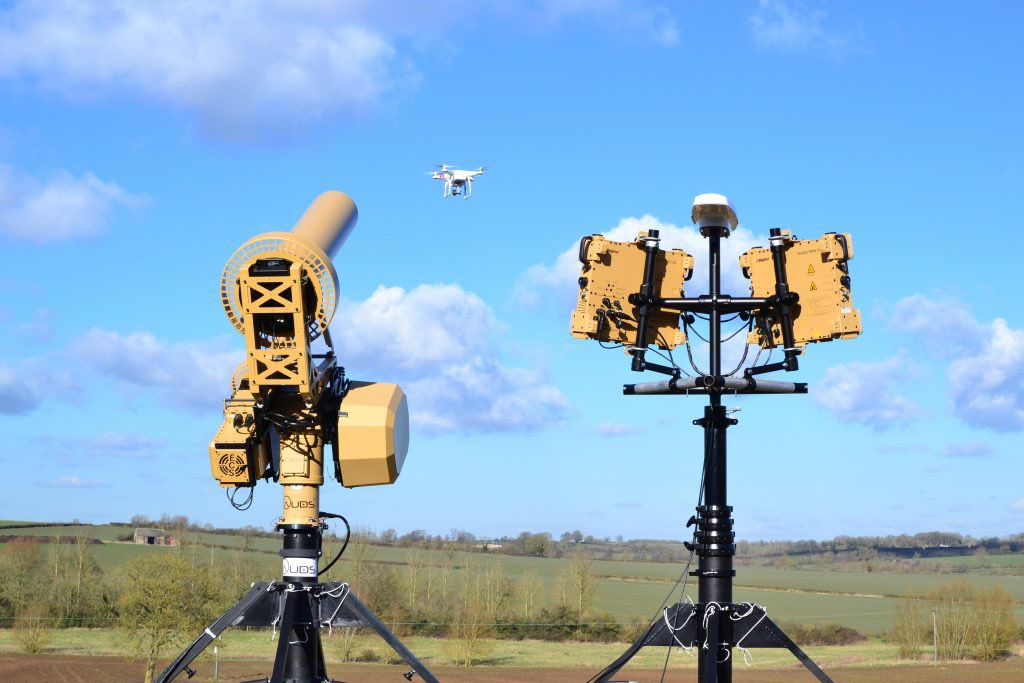
Poland is pressing ahead with the development of a comprehensive defense system against unmanned aerial vehicles along its eastern border. The centerpiece is the new “Sun” system, which is to be gradually put into service from 2026. The first batteries should be operational as early as next year, with full operational readiness planned for 2027. The system will be an integral part of the so-called “Eastern Shield” and is designed to detect and neutralize all types of drones – including kamikaze UAVs.
The project is estimated to cost more than two billion euros. A large part of the funding is to come from European funds, in particular the SAFE program (Security Action for Europe), supplemented by national budget funds. Poland’s Deputy Minister of Defense, Cezary Tomczyk, explained that initial capabilities of the system could be available within six months, while the full expansion will take around 24 months.
The accelerated planning was triggered by several incidents in the fall in which suspected Russian drones penetrated Polish airspace (-> Poland shoots down Russian drones). Among other things, these incidents led to temporary airport closures, alert take-offs of fighter jets and damage on the ground. In this context, Foreign Minister Radosław Sikorski spoke of targeted provocations by Moscow to test Poland’s ability to react without triggering an open military escalation.

The new drone defense concept is to be integrated into existing defense lines that were established around ten years ago. A multi-layered approach is envisaged, ranging from light and heavy machine guns, cannons and guided missiles to electronic jamming systems. According to Tomczyk, some of these means are expressly intended for crisis or war situations and can only be used to a limited extent in peacetime operations.
In parallel to the anti-drone shield, Poland is also strengthening the physical fortifications along its land borders with Belarus and the Russian exclave of Kaliningrad. As part of the “Eastern Shield”, special logistics hubs are also to be set up in each border community, in which barrier and security material will be stored in order to be able to react within a few hours in the event of an emergency.
Against the backdrop of the war of aggression against Ukraine Russian war of aggression against Ukraine Warsaw has massively expanded its defense efforts. Acts of sabotage and arson, which Polish security services attribute to Russian intelligence services, have recently increased. At the same time, Poland is planning to train hundreds of thousands of citizens in basic survival and defense skills, supplemented by voluntary military training courses.
Österreich steuert auf eine Verlängerung des Grundwehrdienstes zu
Poland is now one of the countries with the highest defense spending in the European Union and invests around 4.7 percent of its gross domestic product in the defense sector. Tomczyk pointed out that Ukraine is currently spending around 40 percent of its GDP on war. The crucial question is therefore whether Europe is prepared to invest more at an early stage – or whether it will have to react later at a significantly higher price.
Even if, according to the Polish government, there is currently no imminent threat of conventional war in Europe as long as Ukraine ties Russia down, hybrid threats, provocations and acts of sabotage must be prepared for. According to Tomczyk, a Russian victory in Ukraine could quickly lead to new security risks for Europe as a whole.
Here for the latest news about Poland’s armed forces and here for our drone topic area with all the latest news on the subject.