What is the state of the Austrian security industry? Does the industry still exist at all? And if so, how strong is the red-white-red arms industry in an international comparison? These are good questions that cannot be answered, or can only be answered inadequately, on the basis of public and media reporting alone. We therefore asked beer pope, military expert and industry insider Conrad Seidl for a well-founded analysis.
Austria’s armaments industry once had a good reputation – and a bit of this reputation still lingers when you visit the Museum of Military History (HGM) today and view the historical weapons. But “wars belong in museums”, as the HGM’s motto says – and Austrians can hardly imagine that armaments from Austria still have a good reputation today. More precisely: they don’t really want to imagine it. The discussions of the 1970s and 1980s made a decisive contribution to this: Unforgettable how parts of the trade union demanded the continuation of tank production at the Steyr plants and other parts of the union blocked the export of those very tanks. Also unforgettable is the cowardice of the SPÖ all-party government at the time to refer to the tanks as such. “Tracked vehicles” was the euphemistic term used to argue that the equipment was produced after all and – because they didn’t want to sell it to the worst dictatorships in the world – some of it was then forced on the army. The way in which politicians dealt with the Bull cannon is also unforgettable: first they were pleased that production could be brought to Liezen in Styria, then it dawned on those responsible that the gun could neither be used in the armed forces (ban on long-range weapons in the State Treaty) nor sold to those states that might need it – in the end there was the Noricum scandal, which was played up in domestic politics and finally reinforced the impression among the population that weapons and their production were evil. However, this has not changed the fact that the domestic defense industry can – and does – continue to supply extremely high-quality products. However, it avoids creating too much publicity for this. Decades of left-wing propaganda have led Austrians to distrust everything military. Even the armed forces are valued above all as a disaster relief force, and compulsory military service is maintained at best as a guarantee for the constant supply of civilian service personnel. And the equipment of the armed forces? The outgoing ministers Hans Peter Doskozil and Mario Kunasek have at least made an effort to close some serious gaps – the fact that Austrian suppliers have been chosen is extremely important in terms of industrial policy.
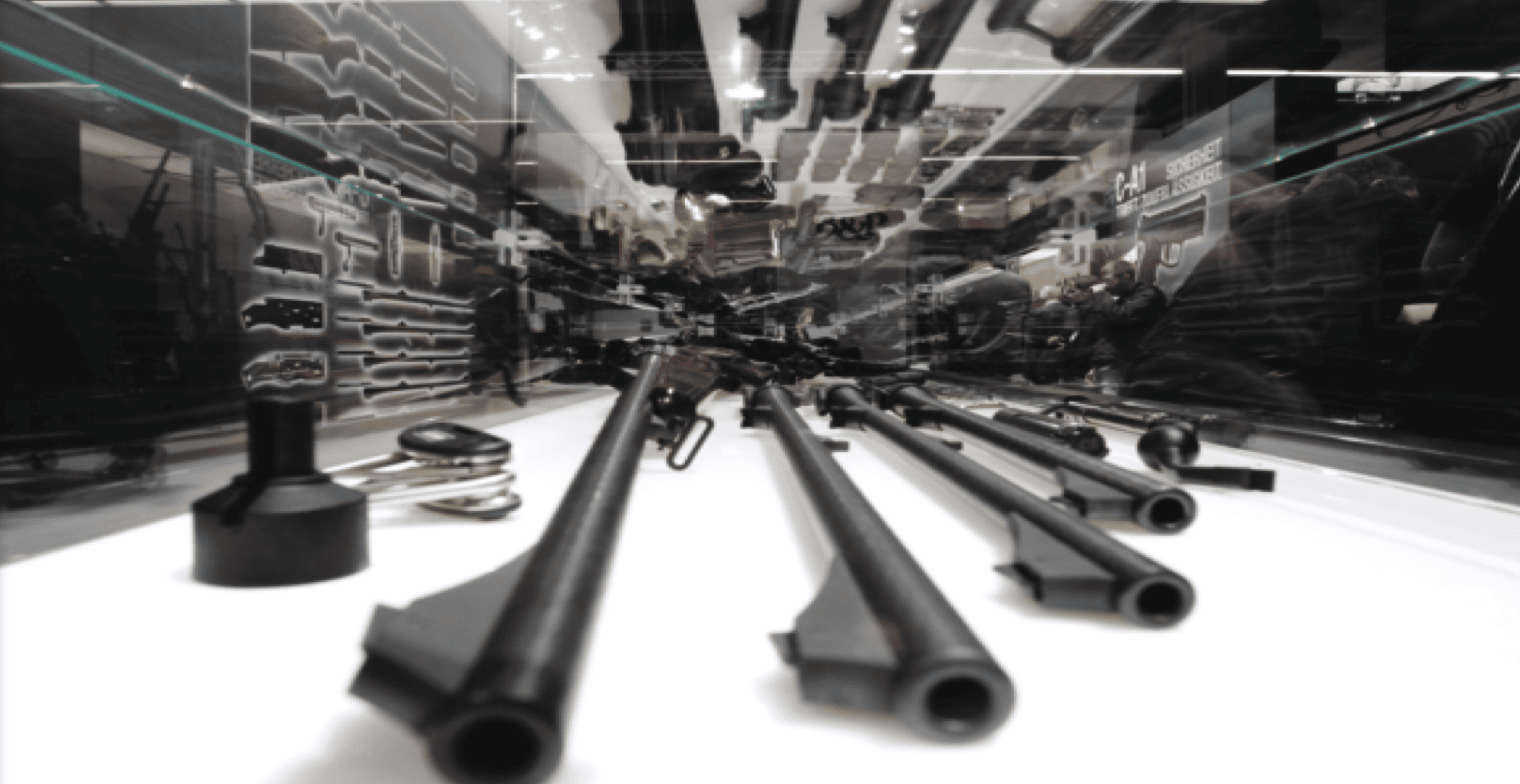
This is because purchasers from other armies look very closely to see whether the weapons and equipment they are offered are likely to be procured and used by the military of the country of manufacture – in Austria’s case, the Austrian Armed Forces. In this respect, it remains important that the Austrian Armed Forces recently purchased sniper rifles from Steyr Mannlicher. However, it is even more important that Austria’s defense industry remains present at the European level. It is foreseeable that transatlantic relations will no longer be sustainable on their own – and that the EU states want to be less dependent on US armaments. The Pesco Agreement, which Austria joined (significantly without much media interest), sets the direction: In an “internal arms market”, defense technology suppliers from the EU are to have priority – together with the European Defence Fund, investments are to be made in high technology and a new standard is to be set. This is an opportunity that Austria must not miss.