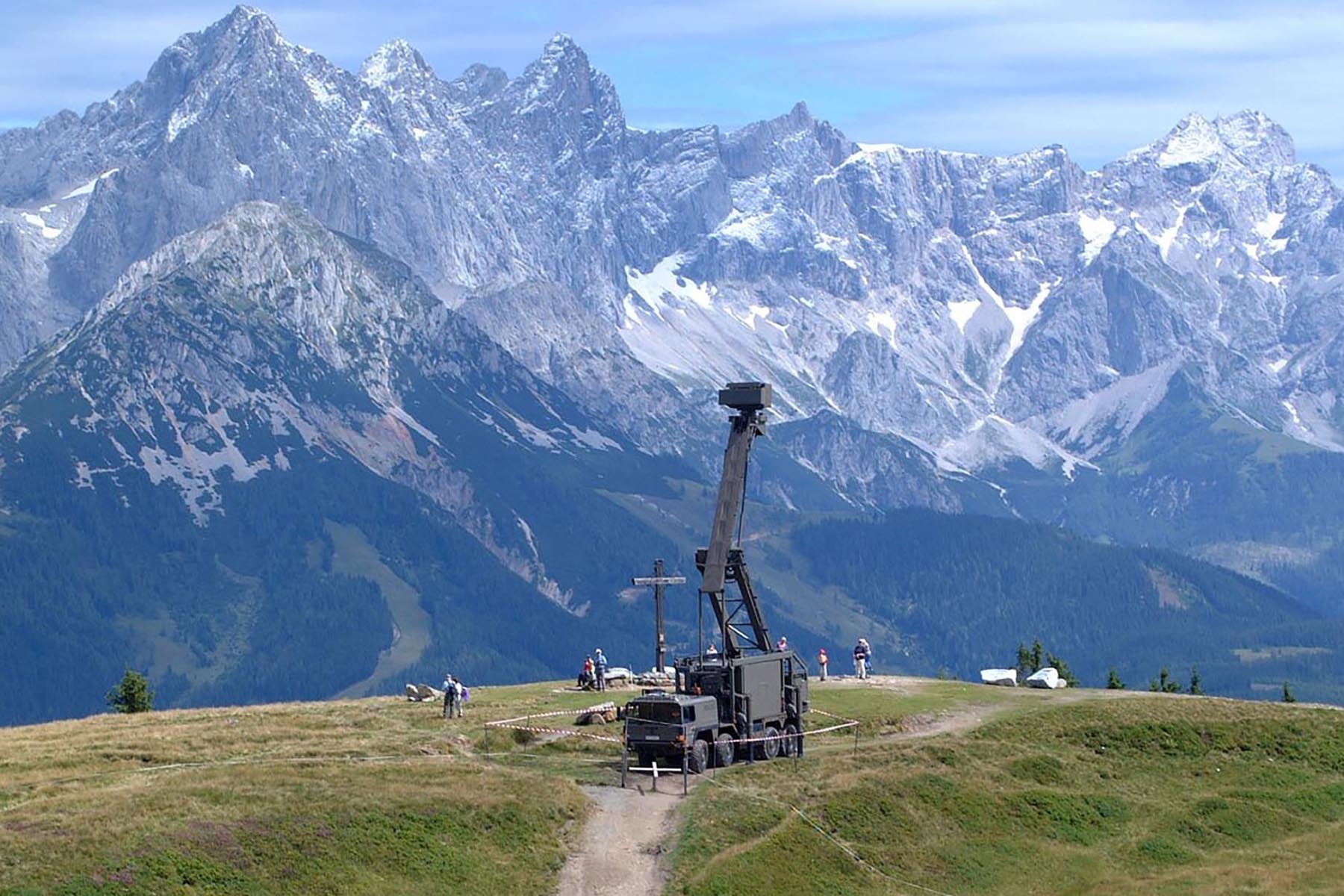
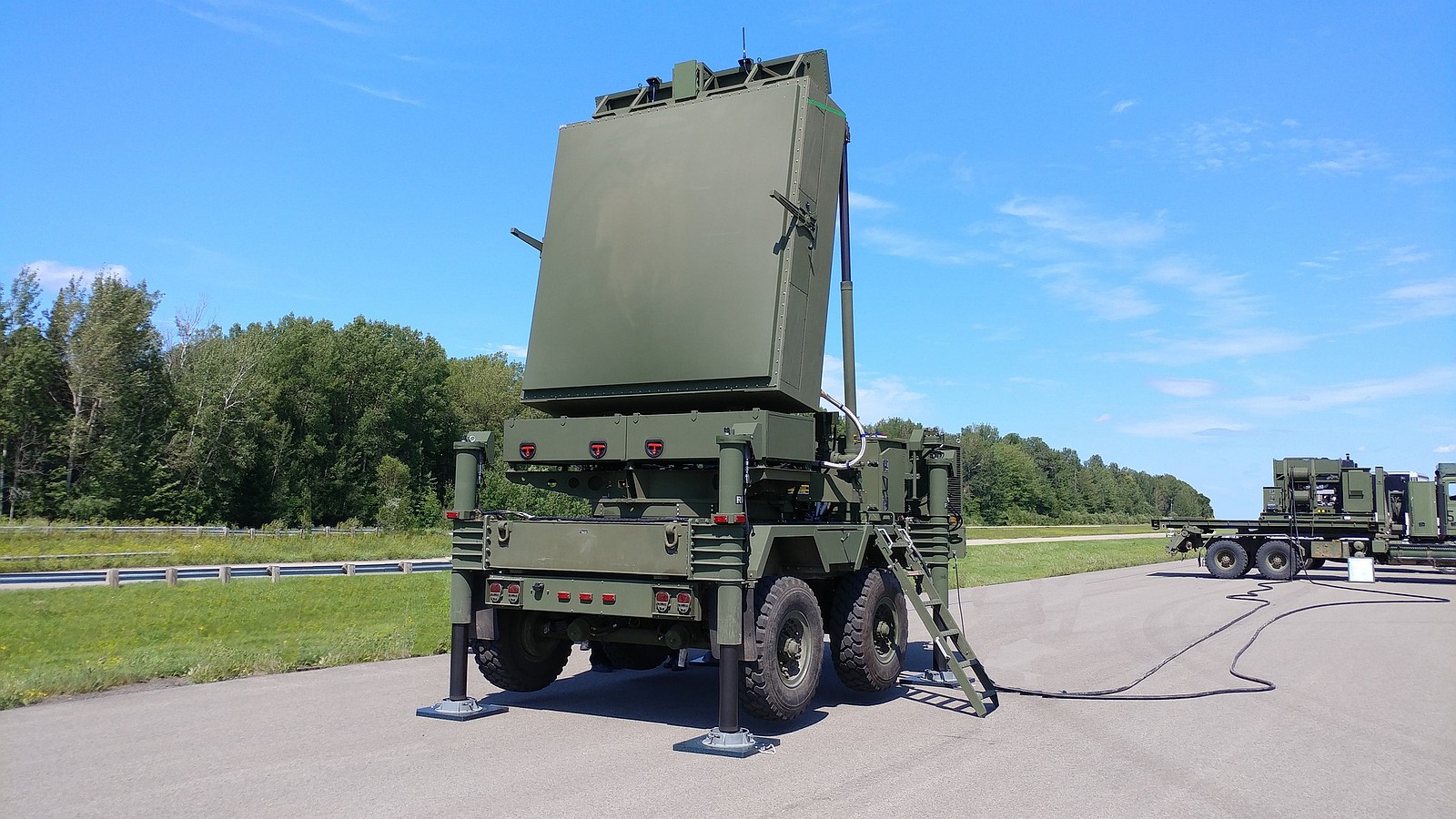
Under the unwieldy title “Military Air Surveillance and Acquisition Radar Systems (MARS) – Medium Range Radar (MRR) subsystem”, the Austrian Armed Forces invited applications for deployable medium-range radars in the last week of January. Three medium range radar systems (MRR) as well as corresponding logistics and training services are to be provided to strengthen the Goldhaube air surveillance system. Offers are also being requested for an option for up to a further six MRRs.
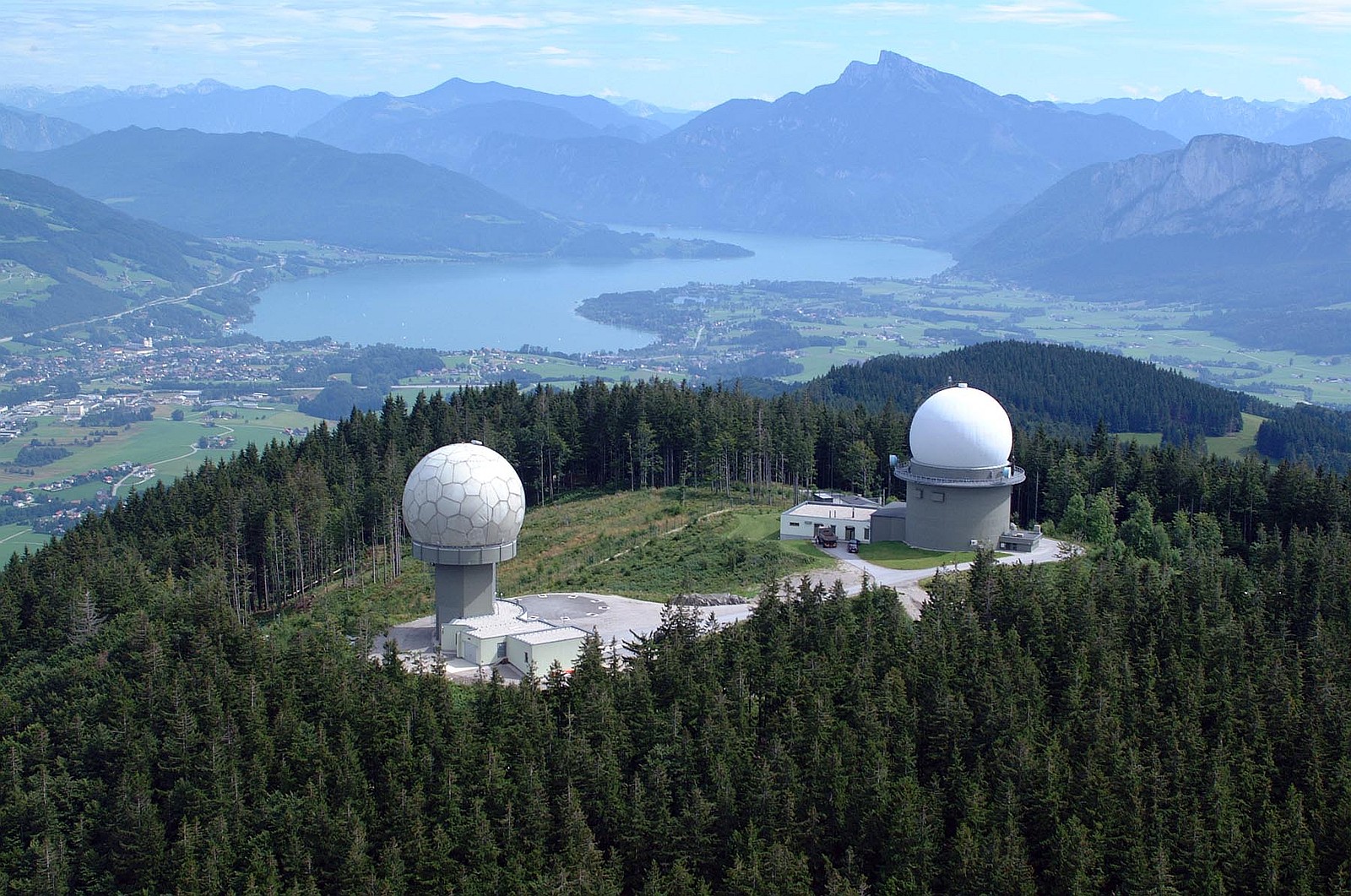
MRR is another subsystem whose function is to consolidate the air situation picture over ranges of up to around 200 kilometers. In terms of range, they are well below the three large stationary and one deployable Goldhaube long-range radar systems of the German Armed Forces, which can also detect aircraft at a distance of over 400 kilometers.
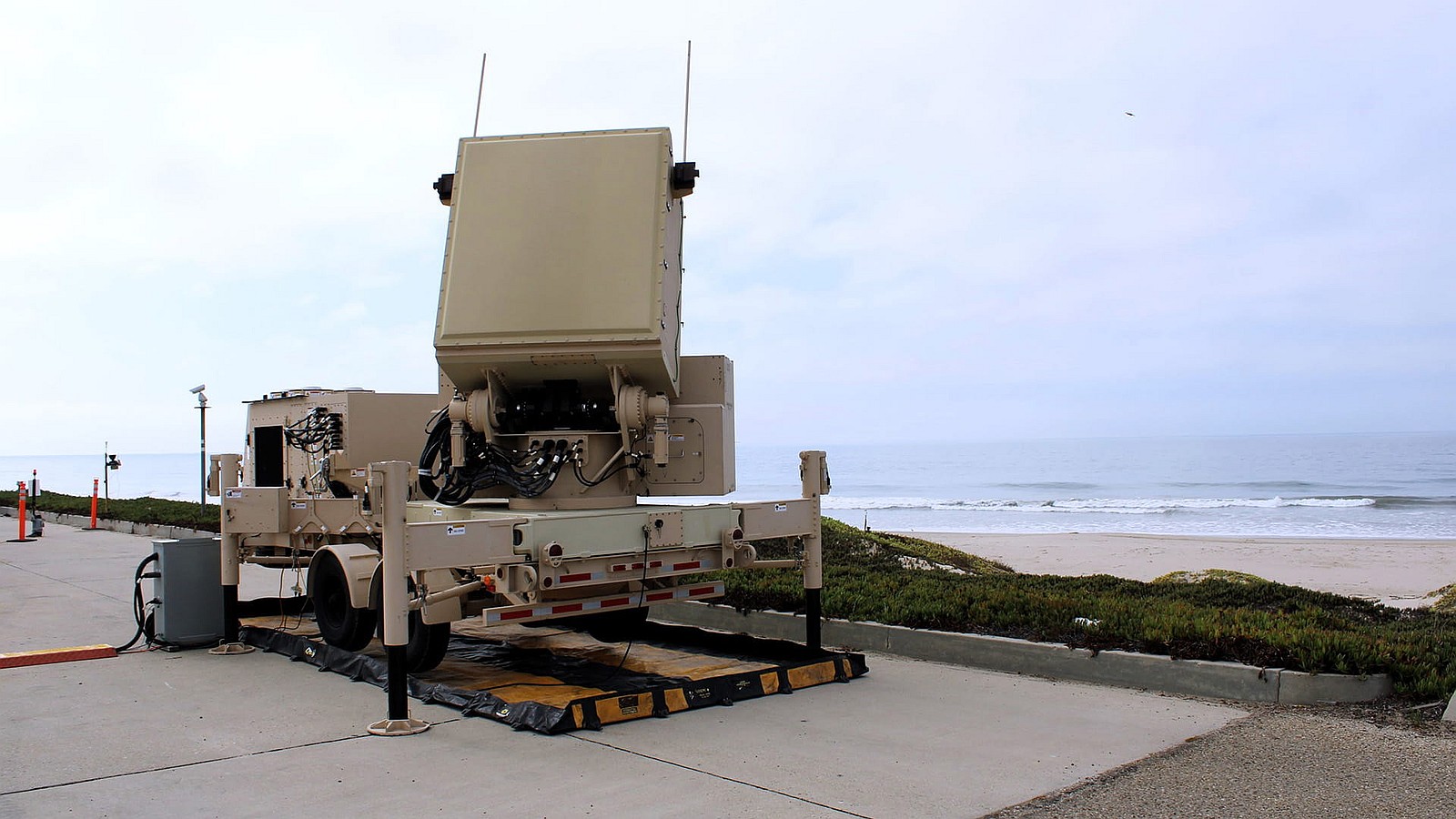
Short-range radar systems were put out to tender in early summer 2024. The contract for 14 mobile and eight deployable short-range radars (SSR), including five remote operator workstations, has already been awarded. According to Militär Aktuell, the contract was awarded to an Israeli company, with a very favorable offer apparently being the deciding factor. The short-haul route covers distances of up to 100 kilometers.
This was followed in December 2024 tender for four command and control containers (CCP – Command and Control Post). These facilities, designed as containers on trucks, house the workstations of the airspace controllers. This means that the radar battalion (RadB) of the Air Surveillance Command will have 29 to 35 radar systems in future.
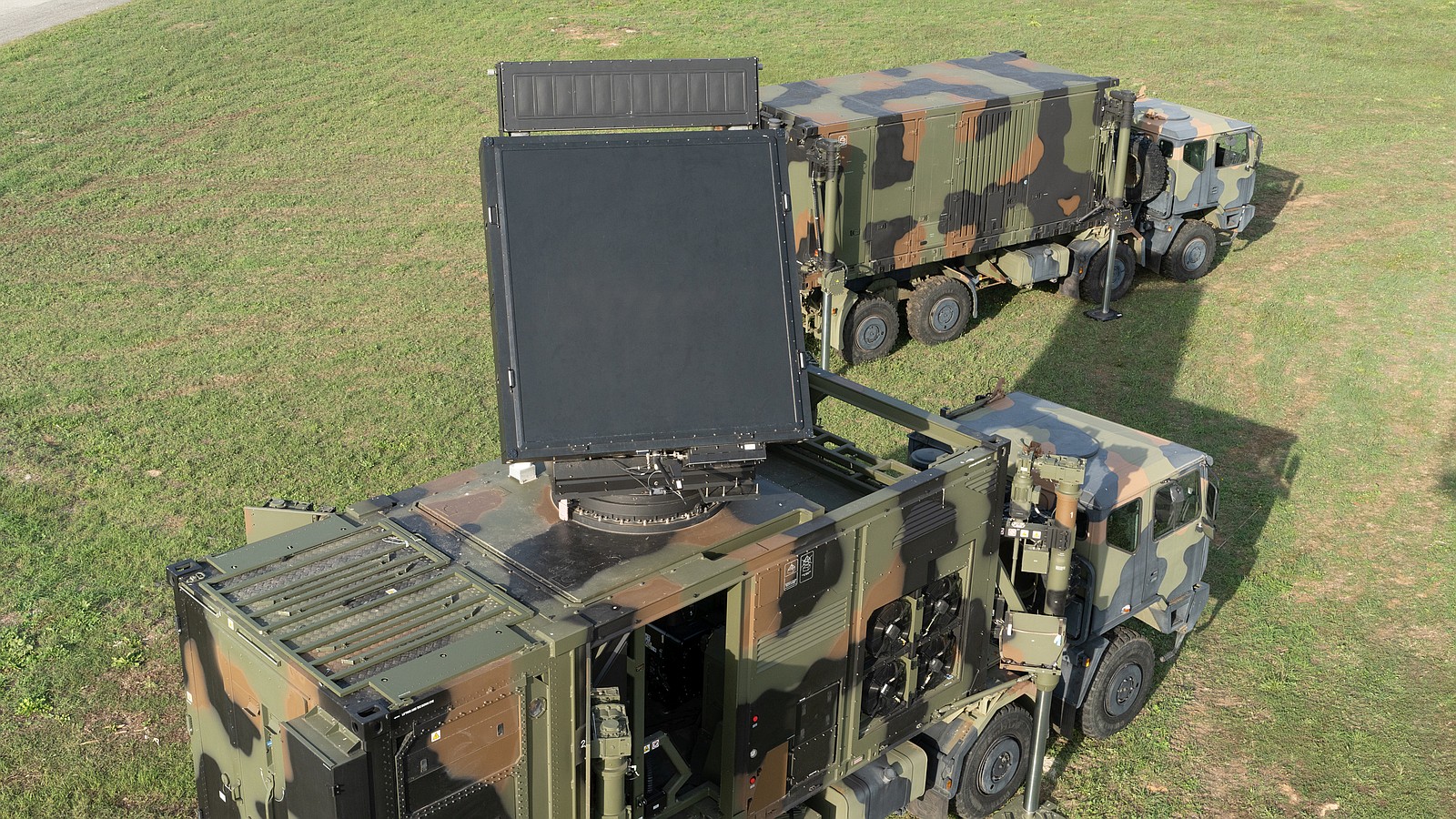
View of the current situation
For comparison: After the procurement of the CSF/Thales RAC 3D in the mid-1990s, the Austrian Armed Forces had three fixed and two deployable RAT-31S long-range air surveillance radars as well as a total of 22 mobile low-altitude and target acquisition radars (ZZR & TER). In the meantime, the equipment has been reduced to three fixed RAT-31DL and one deployable RAT-31DLM long-range air surveillance radars as well as twelve reconnaissance and target designation radars (AZR).
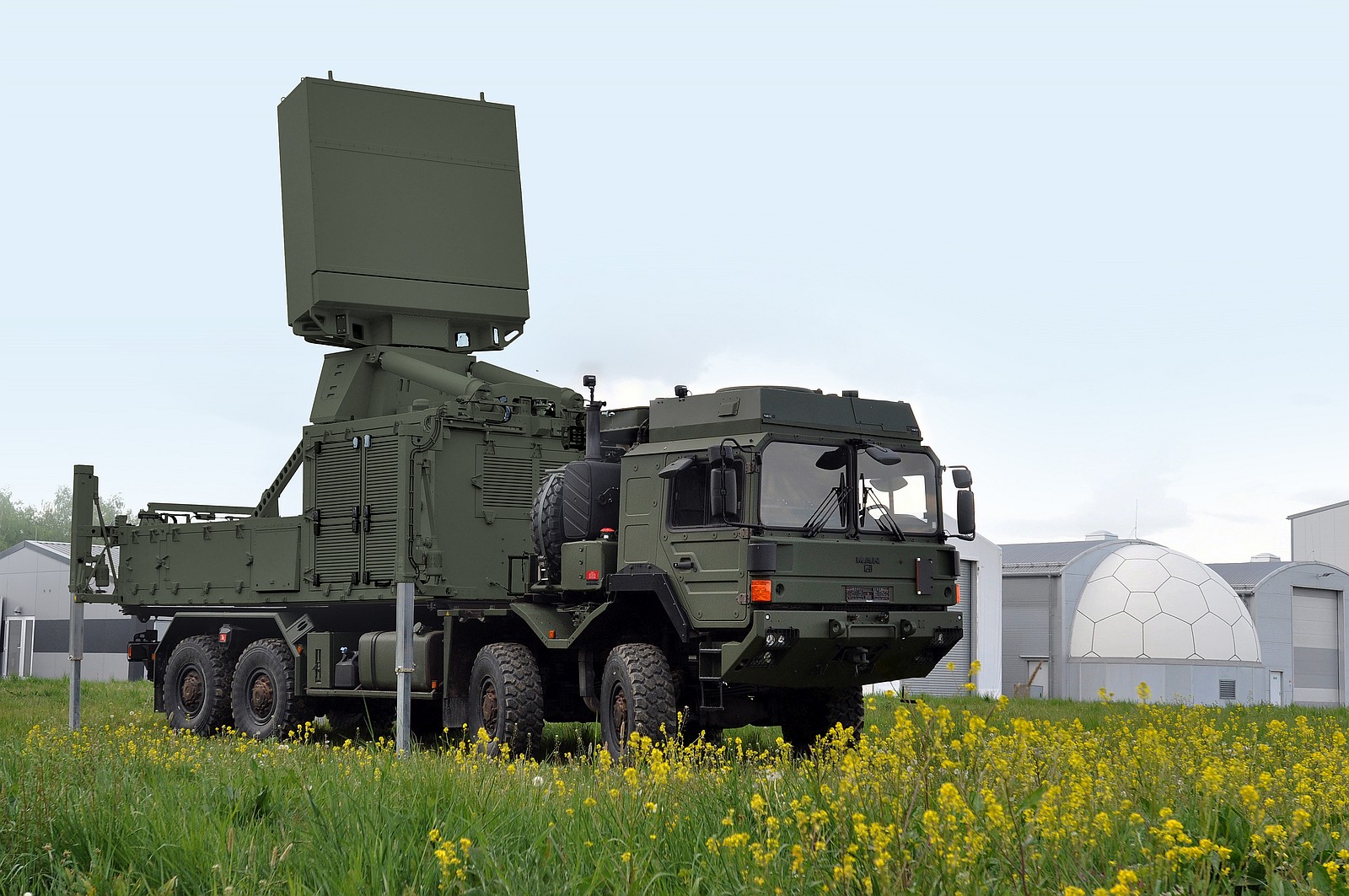
In view of the considerable increase in military use of the airspace close to the ground, it is no longer possible to provide reasonably useful coverage of the federal territory, especially of the lower altitudes and valleys.
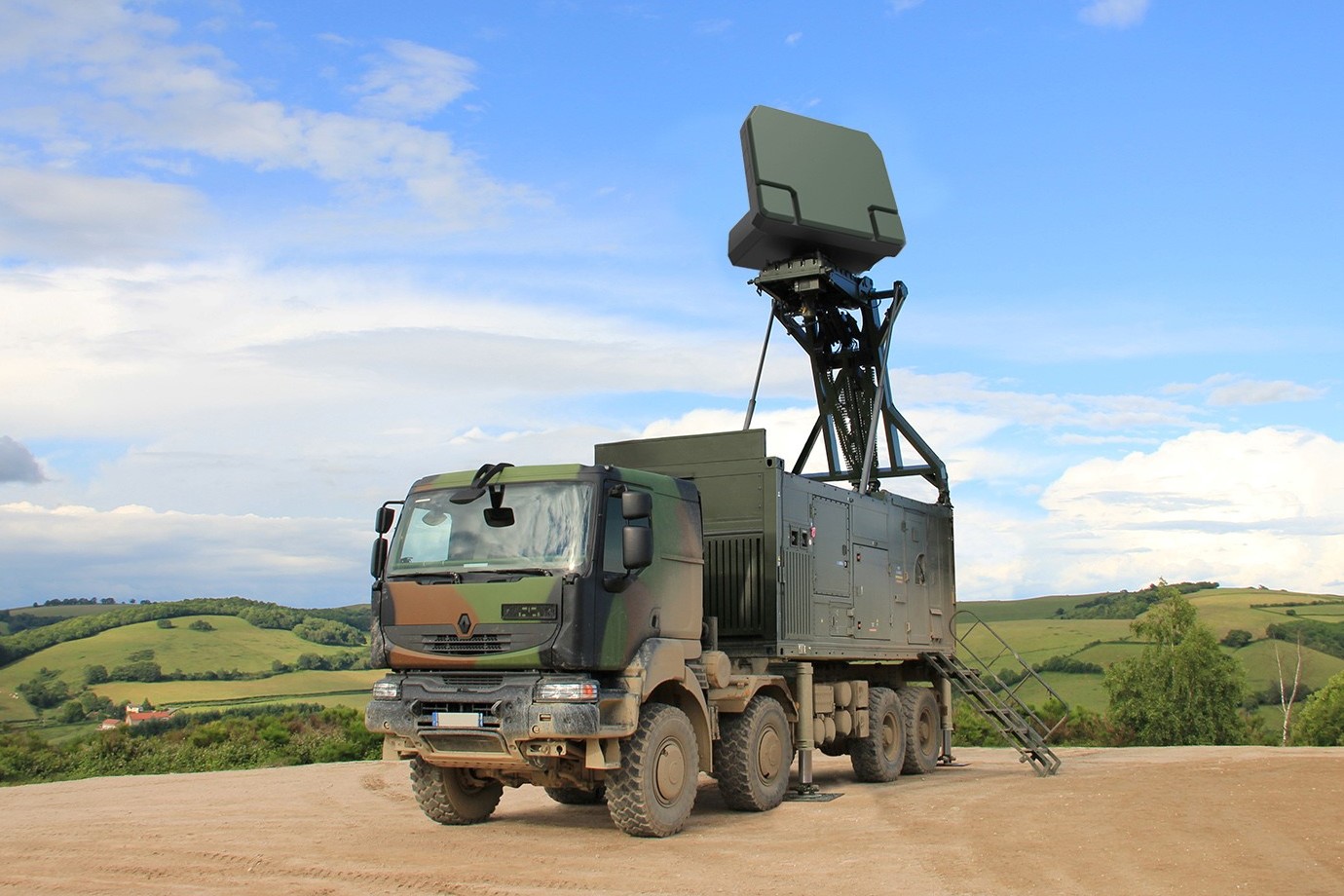
A look into the future
Following the initiated procurement, the Austrian Armed Forces will have three to nine medium-range radars and 22 short-range radars in addition to the three fixed and one deployable long-range air surveillance radar.
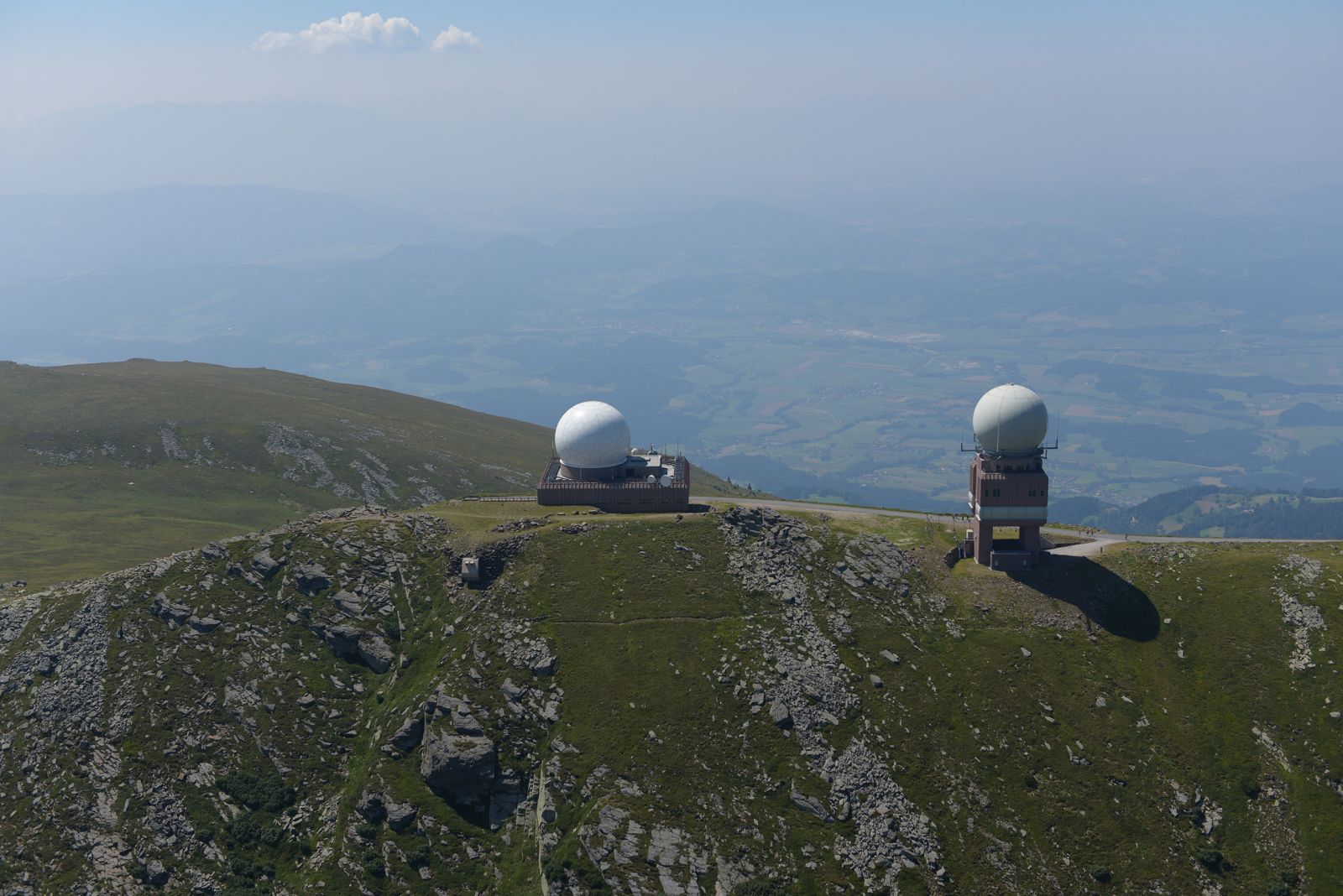
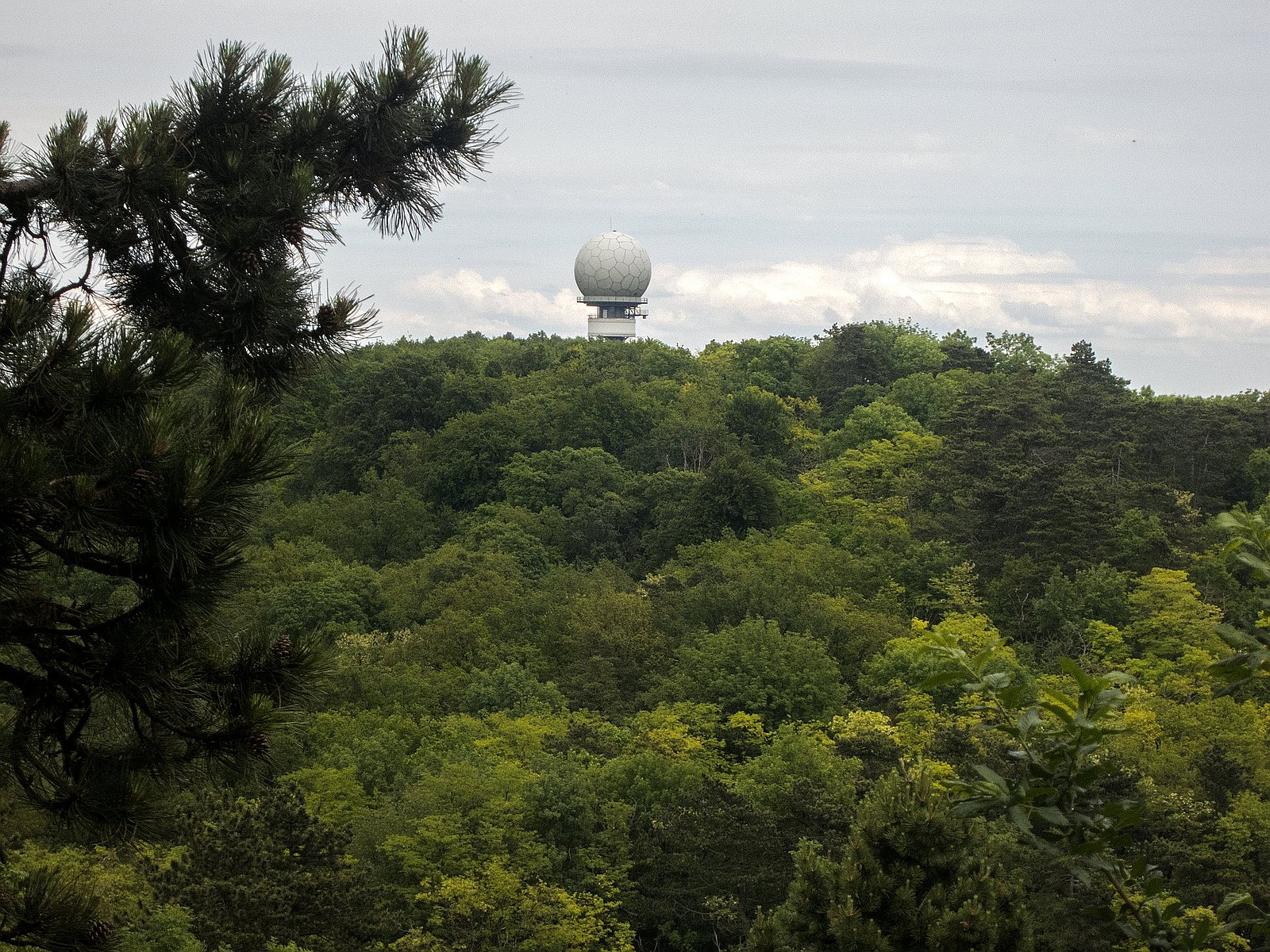
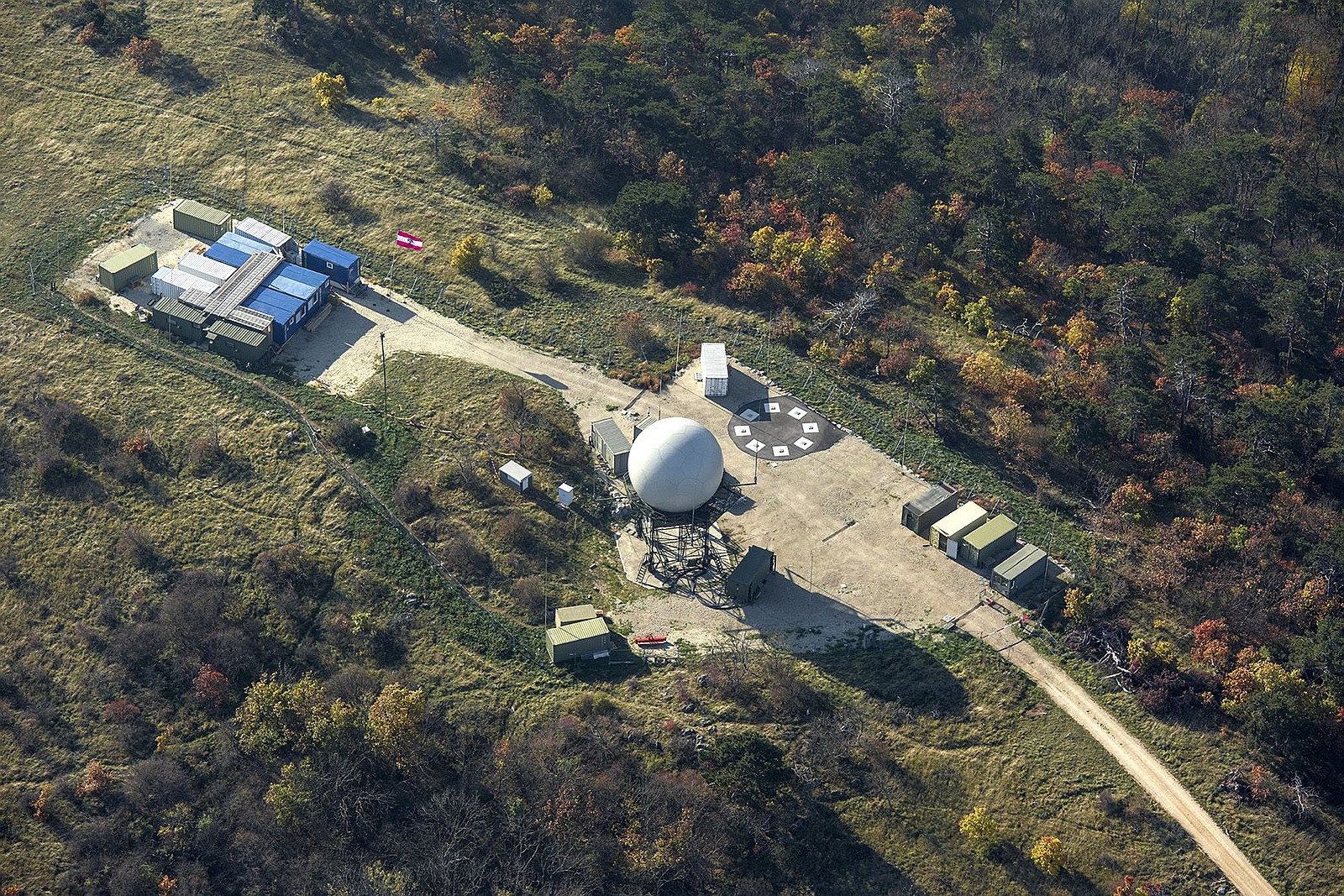
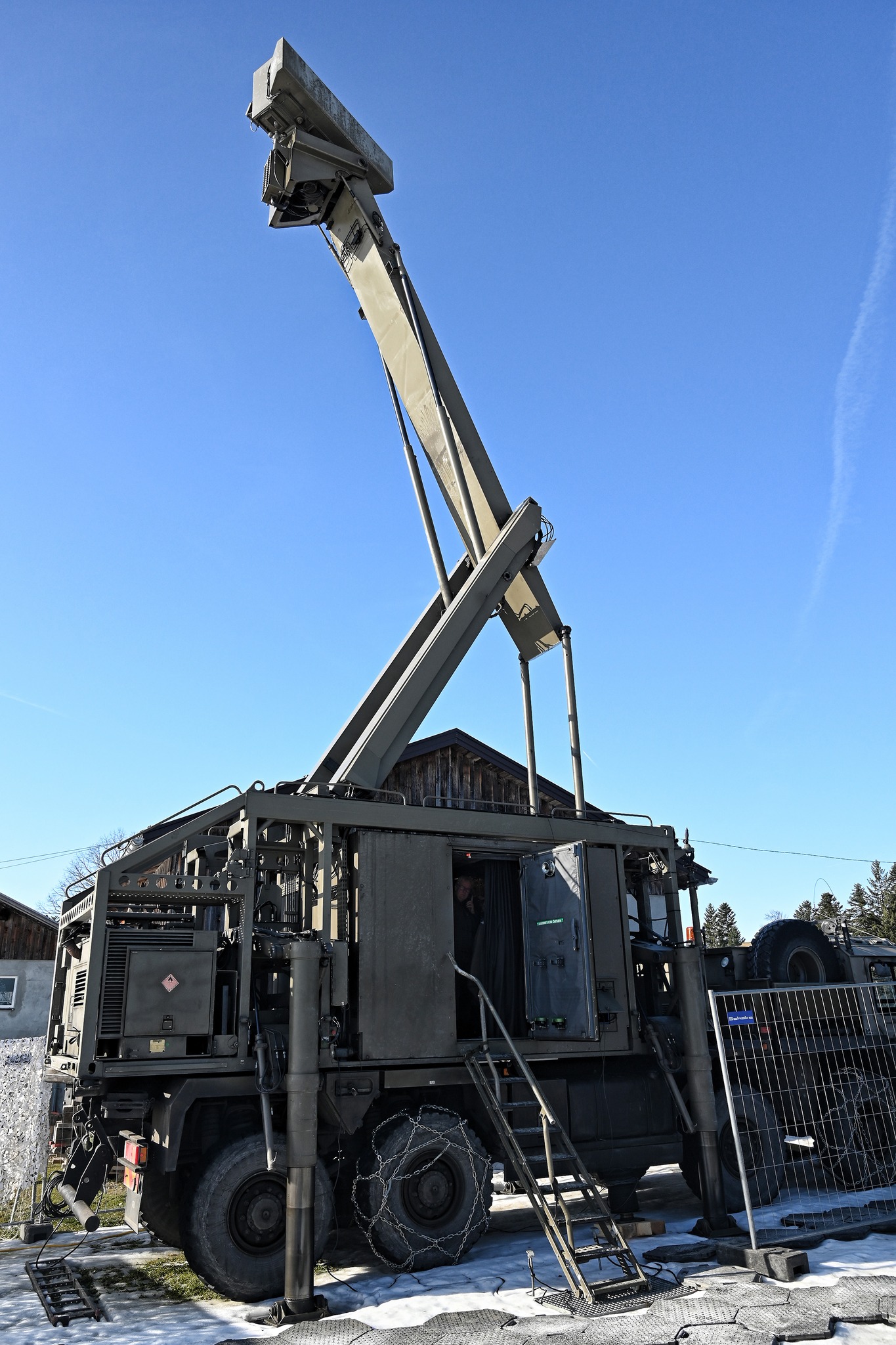
The picture becomes even denser when the radar units of the new and modernized air defence systems are taken into account. The seven tactical units are each equipped with a sensor unit with 360-degree radar. The 36 Skyranger Pandur of the land forces also have a 360-degree radar. The radar units of these air defence systems have a range of up to 50 kilometers.
-> Apple Podcast
-> Spotify
-> Podigee
-> Deezer
-> Youtube version
This year’s upcoming procurement of possibly up to eight short and medium-range air defense systems will each also include a medium-range radar device. This will provide the Republic of Austria with an air situation picture that far surpasses anything previously available in terms of density and resolution.
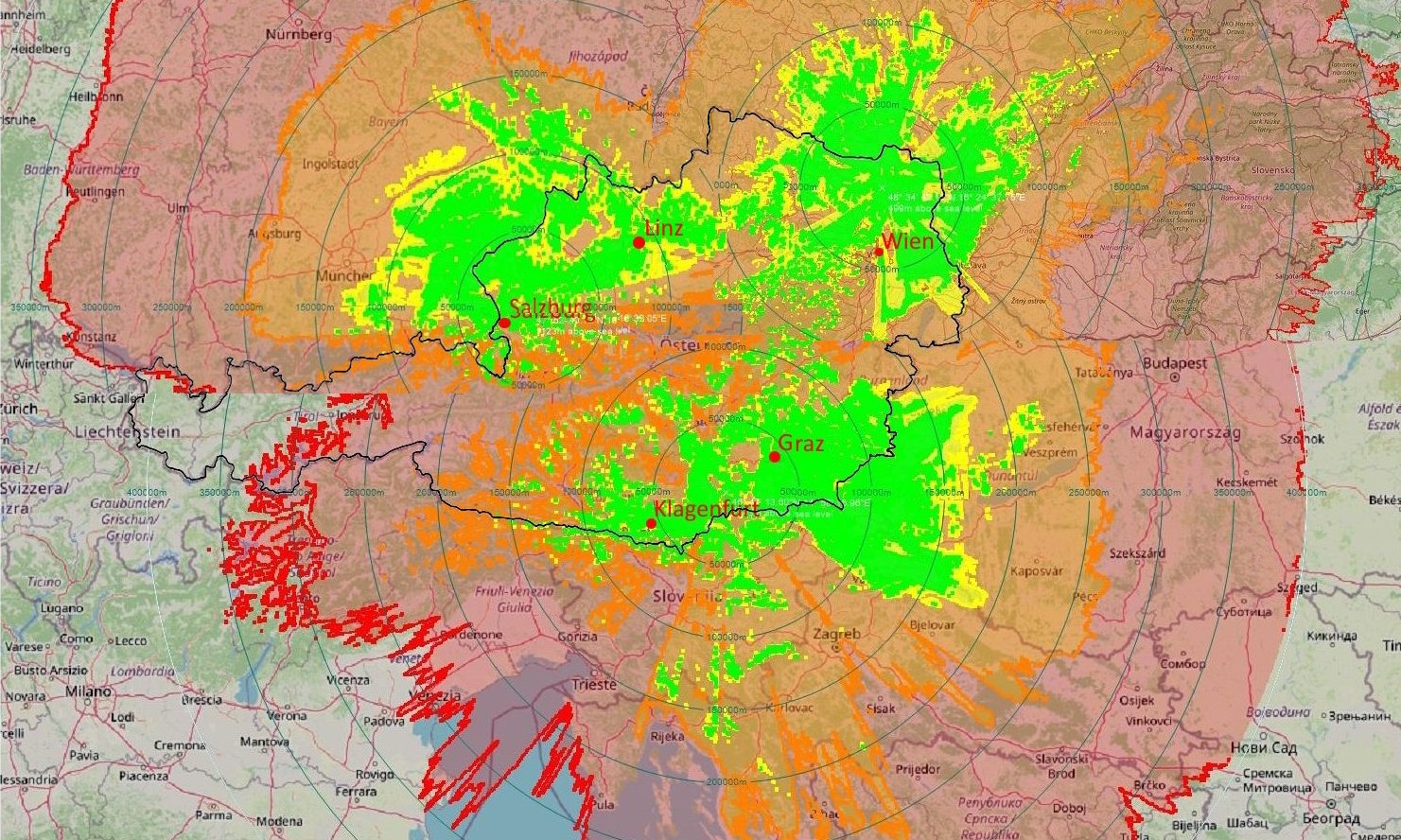
Note: The distances stated refer to aircraft with large signatures or radar cross-sections. The energy required to detect an object increases proportionally with the square of the distance. Conversely, this means that for small objects, signature-reduced military aircraft (Eurofighter) and stealth aircraft (F-35), the probability of detection increases proportionally with the square of the decreasing distance.
Here for more news about the Austrian Armed Forces.