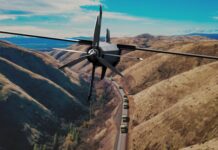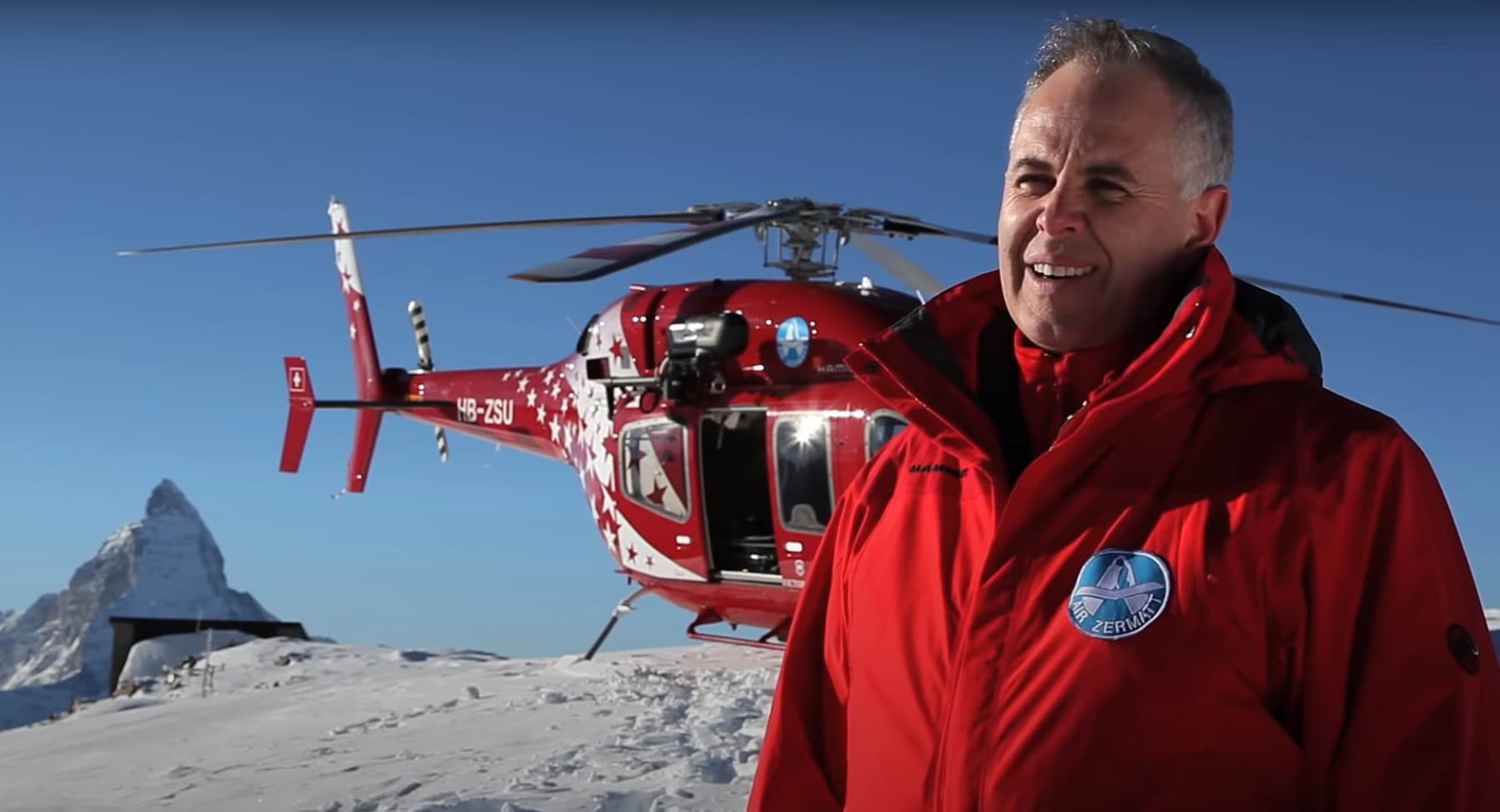
“Hangar Talk” with Gerold Biner: The helicopter pioneer has been a mountain flight and rescue specialist for 35 years “Air Zermatt”He has been a pilot for more than 25 years and has been CEO of the operational business for almost ten years. On the occasion of a Military News visit to Valais we spoke to him about the advantages and mountain suitability of the potential Alouette III successor Bell 429 used by “Air Zermatt”, but also about the training offered by his company for military pilots.
Mr. Biner, how did “Air Zermatt” come to Bell? The fleet previously consisted of Lama SA 315Bs, for example, but also various Eurocopter models.
The first helicopter built by the local company founders, the Perren family, was an Agusta-Bell 206 in 1968. 25 years ago, we also had the Bell 412 in the company, and although we were satisfied with it, we had never considered buying another Bell helicopter until a few years ago. However, when we returned to this manufacturer in search of a powerful and not too large multi-purpose helicopter with two engines, we were and still are very impressed by their customer support. Normally, a manufacturer’s salespeople usually come when they want to sell something, and less frequently later on. Over the years, however, we have developed an enduring, almost familial relationship with Bell. In addition to the pleasure of a visit from the company president, we really have the feeling that we are also heard there as a small – and very special – operator.
As the head of operations, you also have experience with the device yourself, don’t you?
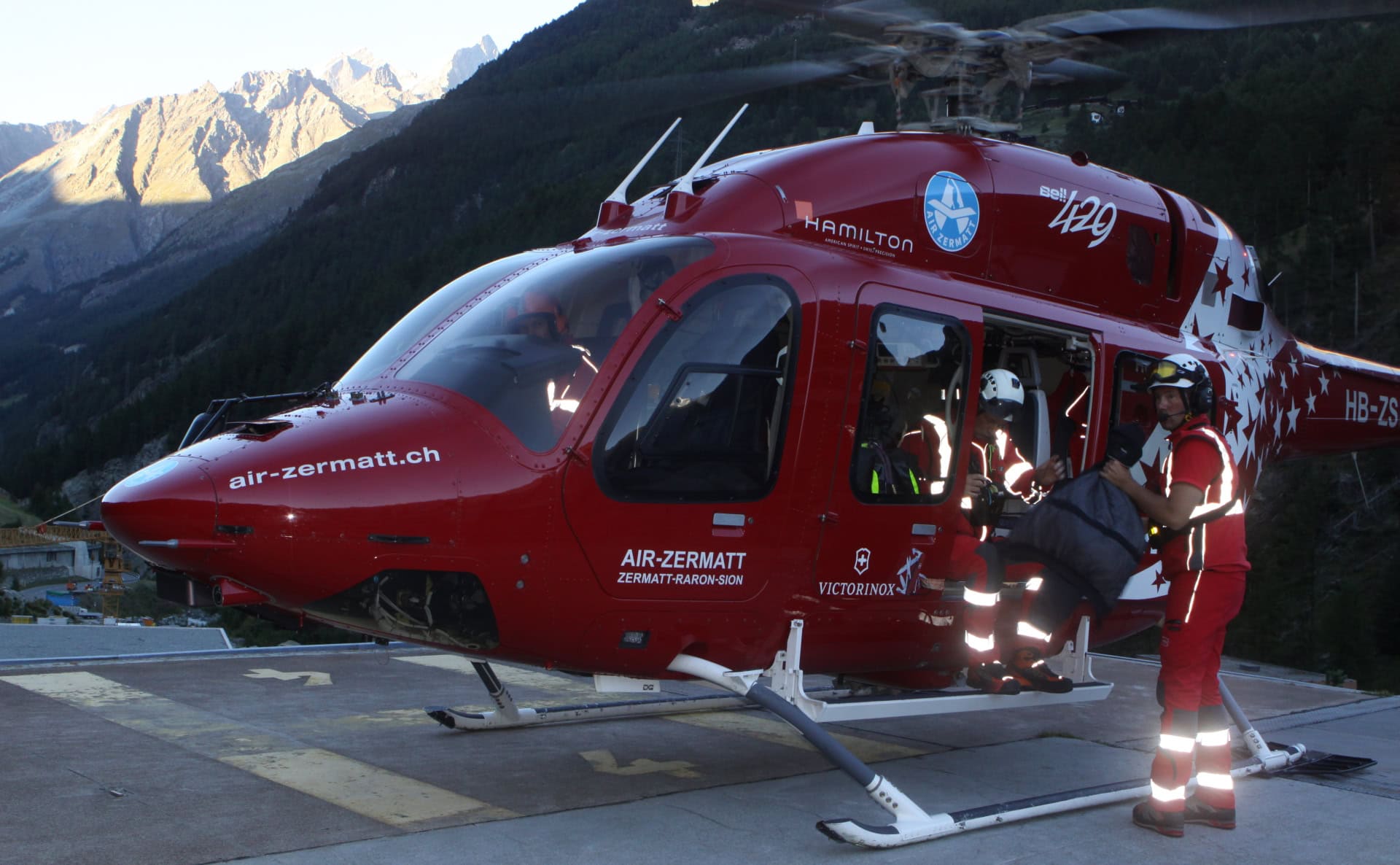
But yes. Over time, the “Four-twenty-nine” has even become something like my helicopter, not just a tool in the company’s pool. It really is a device that was designed for the customer, the intuitive cockpit, the great all-round visibility, overall very versatile and impressively reliable. And availability is always well over 90 percent. I really don’t know what Bell could do better or better in this respect. The way the two machines work and are in use here with us, they are the best helicopters I have ever flown in my long time as a pilot – and I have flown many.
Here in Austria, the 429 is being discussed as a potential successor to the ageing Alouette III in the Austrian Armed Forces. If I am correctly informed, then the Bell 429 is also in “military use” at “Air Zermatt” for the training and further training of military pilots?
Yes, that’s right, there is an agreement that also includes training for pilots from various US government agencies. Pilots also come to us from Thailand and Croatia, from many police forces and government flight services, many of whom fly Bell 429s. They are all impressed by the incredible versatility of the model and we are also very satisfied with the price-performance ratio. For a so-called “light twin”, this is an incredibly powerful, well-balanced and economical aircraft – even with possible armament. Due to the cost efficiency aspect, the type would also be a good choice for basic training.
As the procurement in this country is part of a “disaster control package”, the issue of armament is probably of secondary importance. However, of the 18 aircraft planned in our country, six “identical” ones will always “rotate” through the flying school in Langenlebarn. So the same six aircraft will not always be there …
… and helicopter training with this ingenious machine makes perfect sense. I have over 1,000 hours on the Eurocopter EC-135 (note: the civilian version of today’s Airbus H-135 is operated by the police and ÖAMTC in Austria) and this model is more difficult to fly. The same applies to the H-145, which is not a Bell. As an experienced pilot, you need at least 50 hours before you feel comfortable in an Airbus helicopter. The large shrouded tail rotor offers a large wind attack surface and is therefore, in my opinion, only suitable to a limited extent for basic helicopter training.
Let’s go back to the training of external personnel from government agencies. What do they learn here with you in detail?
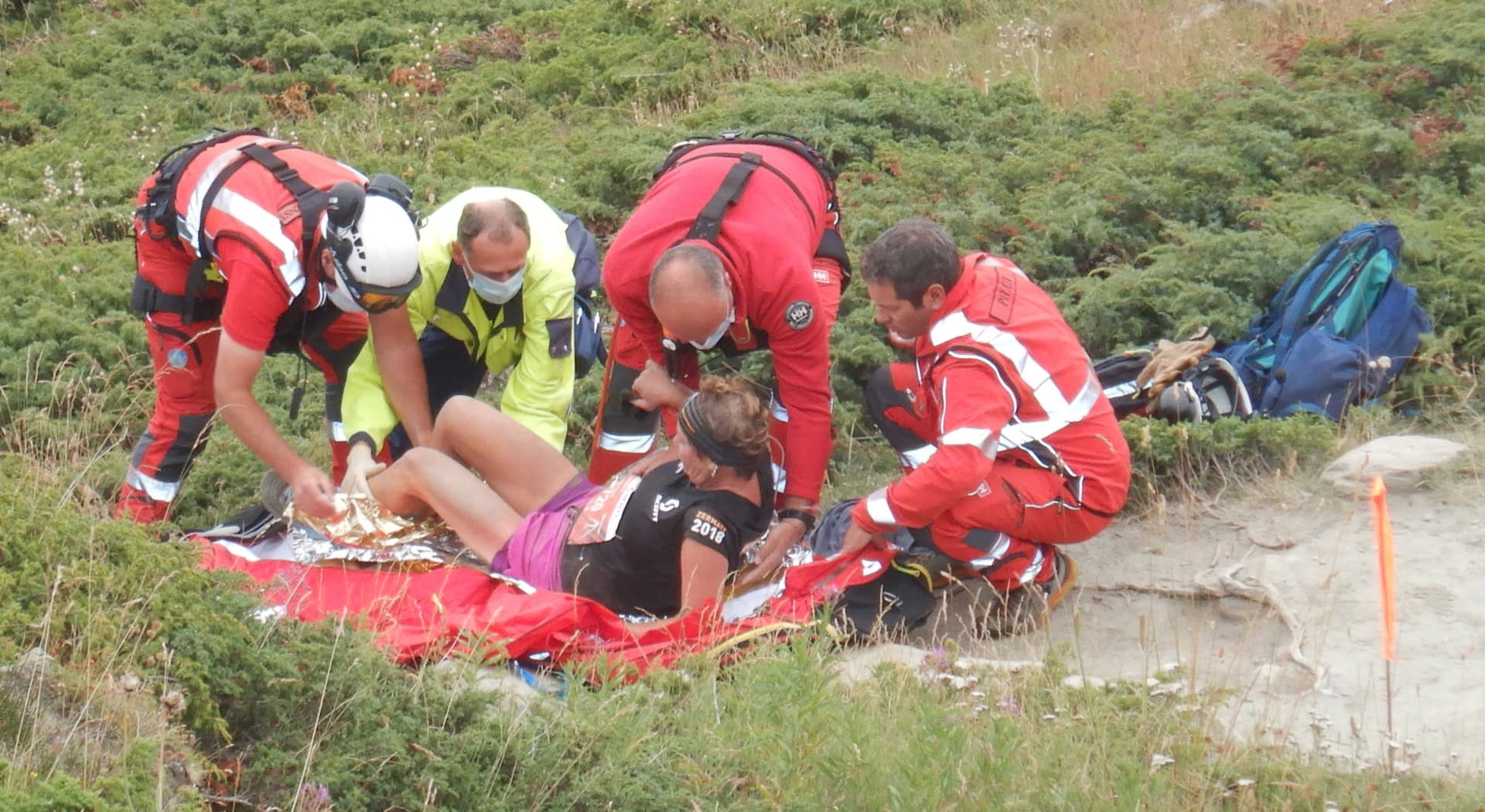
We show them our operational techniques in the high mountains, with a particular focus on so-called “dynamic hoist” and “dynamic winching” training. This involves absorbing forces as quickly as possible, without long approach and hover phases in a dynamic movement, in order to be exposed to potential enemy fire for as short a time as possible. Should an engine failure occur in such a situation, the twin-engine helicopter allows an emergency landing point to be approached at a speed below a certain safety speed. The phase in which I fall below this so-called VTOS, for example because I have to perform a winch operation and then take off again, must be kept as short as possible and that is exactly what we teach these pilots and crews.
And this despite the fact that the USA – unlike Australia, Oman and Jamaica, for example – does not have a Bell 429 in military use?
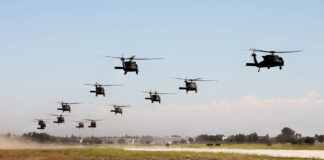
That doesn’t matter, it’s about procedures and techniques, not the type. Incidentally, those US pilots are mostly UH-60 guys – you have them too (note: UH-60 is the US military type number for the S-70 Black Hawk) – and they are very quick to learn the interface logic of the 429 and feel at home. A short briefing is all it takes and then they take off – and soon have a lot of respect for the “little” machine.
You can also read the report “Visiting Air Zermatt: Flying high with the Bell 429” and our 5-question short interview with Bell 429 chief pilot Daniel Riesen. Here you can also find more news about helicopter manufacturer Bell.