Alongside the Haflinger, the Steyr-Puch-Pinzgauer is one of the most famous army vehicles of all. Walter Blasi has dedicated a book to the legendary off-road transporter. On 120 pages, he describes the path from the first preliminary designs in 1962 to the resale of the construction license to England and South Africa after production in Graz was discontinued in 2000.
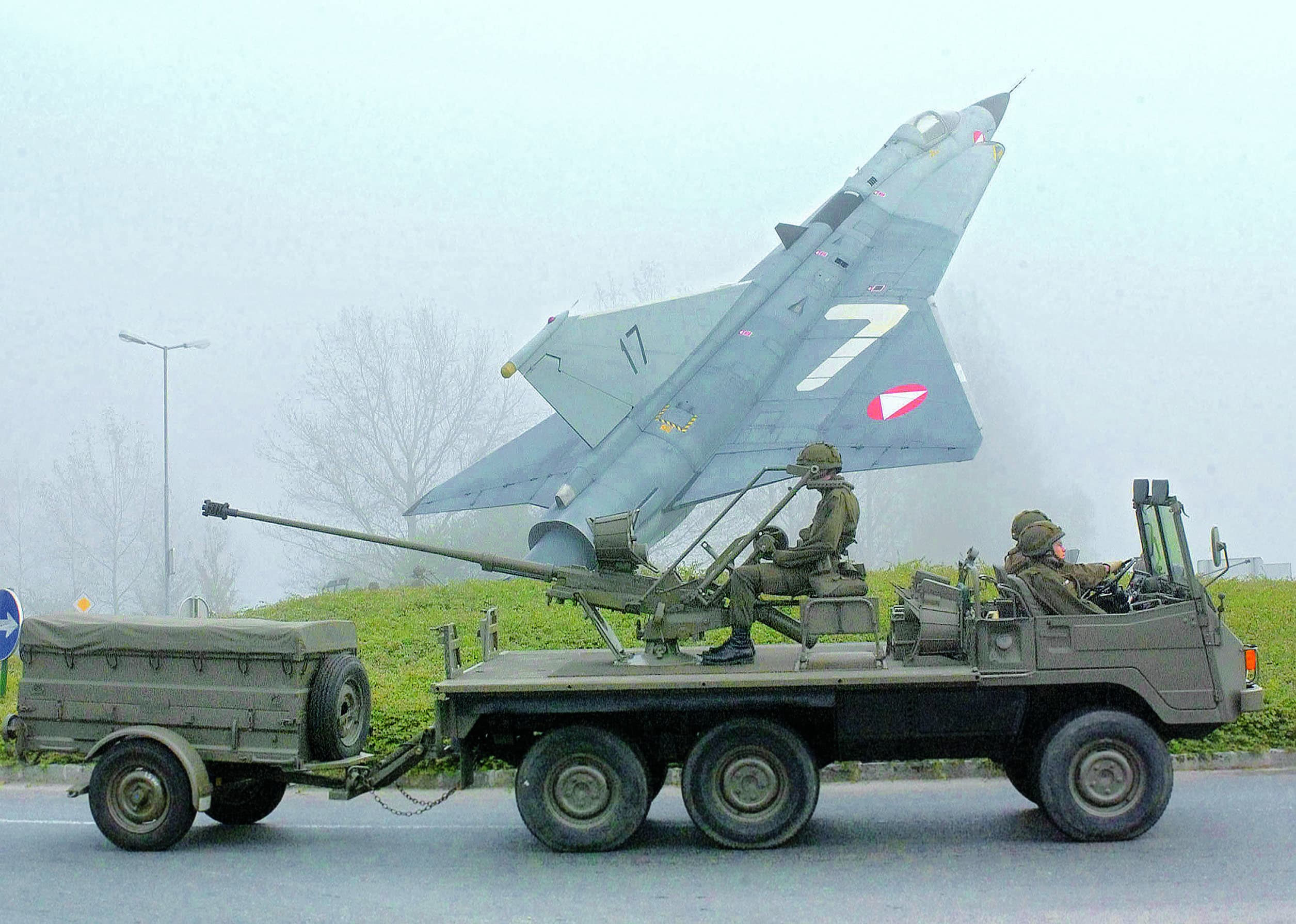
How do you form a new army? A good question that had to be asked in Austria after the conclusion of the State Treaty, when it was possible to start setting up the new federal army from the B-Gendarmerie. The necessary personnel were already available, at least in part, and the material required to equip and arm the soldiers came to a large extent from the four occupying powers. This included vehicles of various makes and types, special designs, small and large series, which did not exactly make servicing and spare parts supply any easier. From around 1959, efforts were therefore made to curb the proliferation of vehicles in the fleet with new vehicles “made in Austria”, as Walter Blasi reports in his new book “Der Steyr-Puch Pinzgauer des Österreichischen Bundesheeres”.
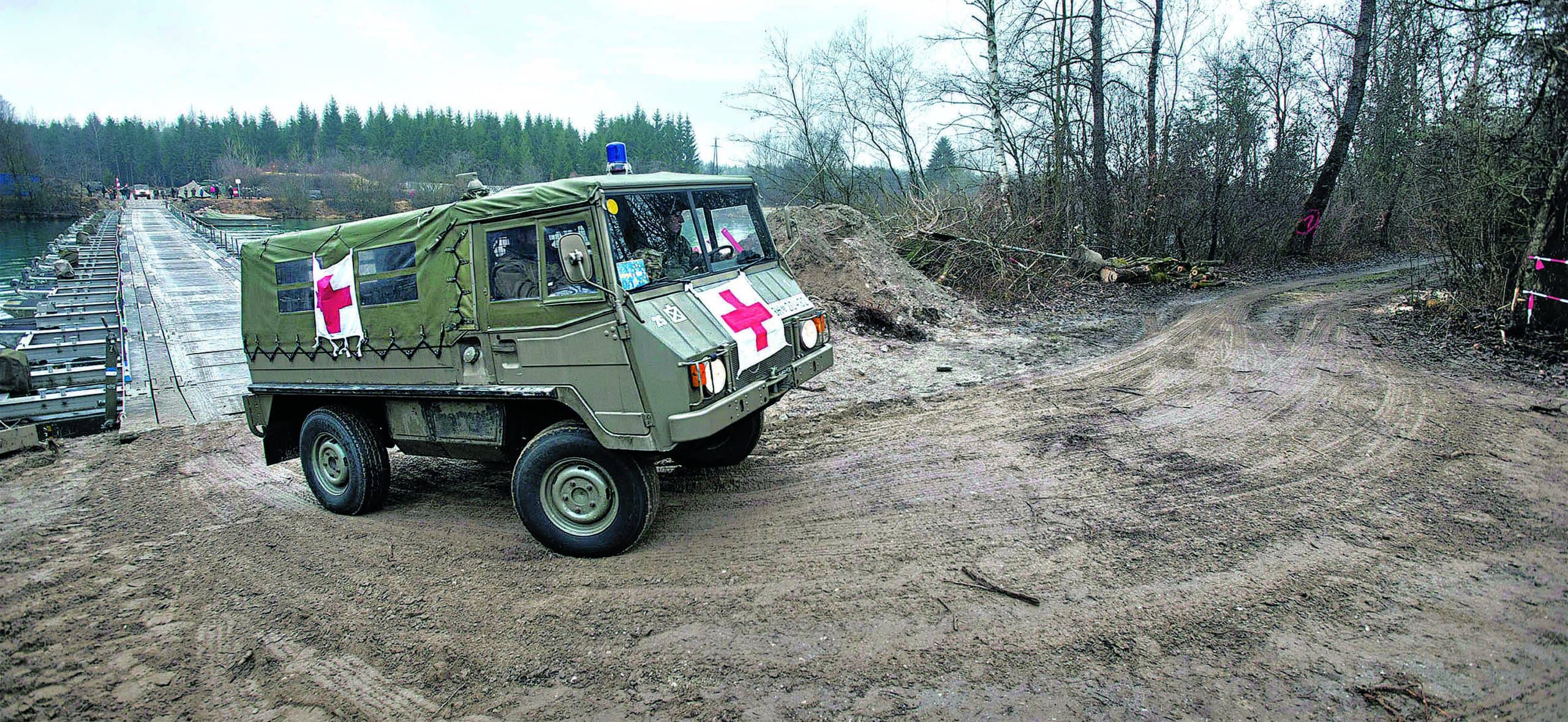
As the first large independent red-white-red production, the Steyr-Puch-Haflinger was developed. However, as this could only partially cover the new army’s transportation needs, studies on a larger off-road vehicle with a higher payload were carried out soon after the start of series production of the Haflinger in Graz. In 1962, the first preliminary designs for the planned Pinzgauer were created, for which important design features such as the central tubular frame, the swing axles and the independent suspension of all wheels were adopted from the Haflinger. However, the (air-cooled) engine was not planned for the rear, but for the area behind the driver, which was not realized in series production. Due to the lack of comparable vehicles on the market, the engineers then had to rely primarily on requests and “calls” from potential customers such as the German and Swiss armies. This led to “curious problems”, as Blasi writes: “The first design was too big for the Swiss, while it was too
small for the Austrians.”
Nevertheless, the first prototype was finally presented in 1965, followed by the first demonstrations the following year, and in 1967 potential future customers such as the Austrian army received the first test vehicles. The Ministry of Defense’s planning office A was in charge of this. Subsequently, the Testing and Research Center for Automotive and Mechanical Engineering, the Wehrtechnik/Motor, the Heereskraftfahrschule, the Jägerbataillon 19, the Artillery School and the TelTruppenschule were involved in the tests and trials.
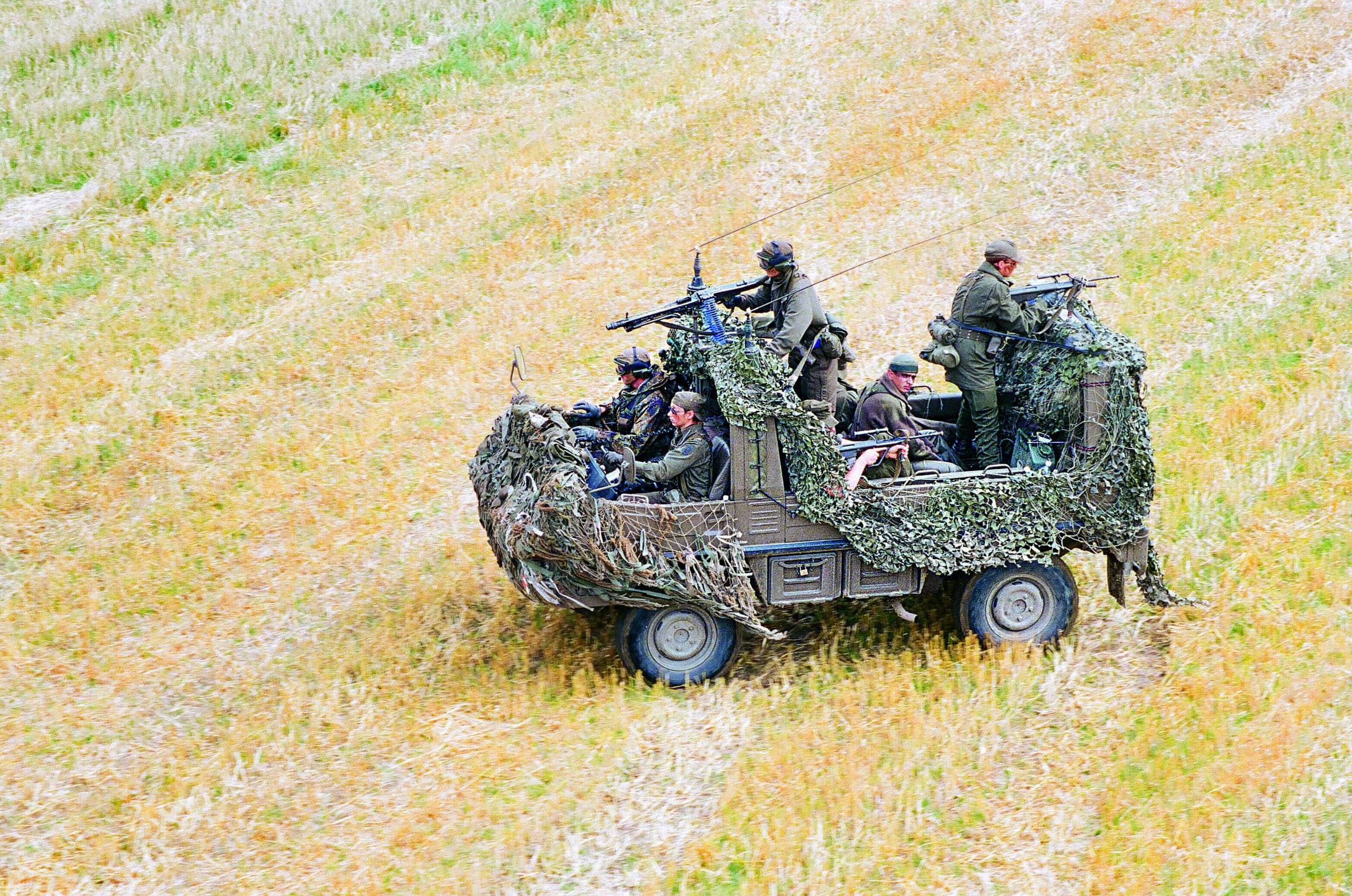
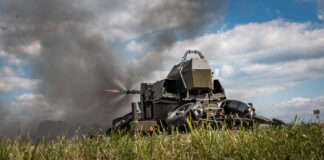
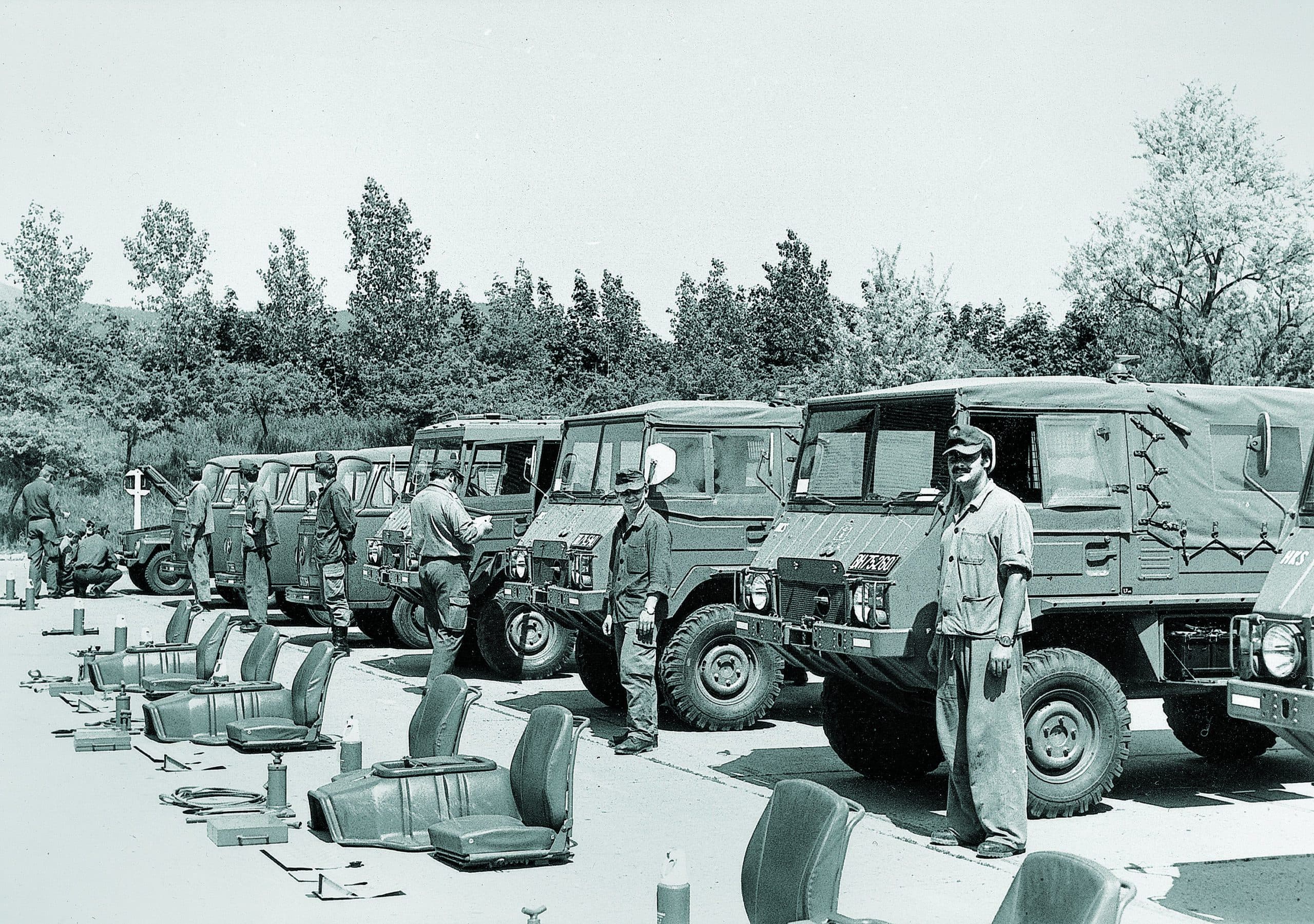
After numerous major and minor defects had been rectified, the production vehicle was presented on May 17, 1971 and delivery of the vehicles ordered by the army in 1970 began in 1973. In the following decades, the red-white-red armed forces received thousands of Pinzgauers in a wide variety of versions: With tarpaulin top, as a panel van, with flatbed, as an ambulance, anti-aircraft gun carrier, workshop van, with metal double cab, as a fire department and rescue vehicle. There were also special versions as a dummy tank (!), snow plow and flag troop vehicle. In addition to the German army, the armies of many other countries also purchased Pinzgauers: England, Ghana, Jordan, Yugoslavia, Malaysia, Nigeria, Norway, Oman, Sudan, Switzerland, Syria, Saudi Arabia, Tunisia, Venezuela and Cyprus. By the time production was discontinued on February 23, 2000, around 24,000 “Pinzis” had rolled off the production line. The basic design was only changed once in order to install a more economical and more powerful engine.
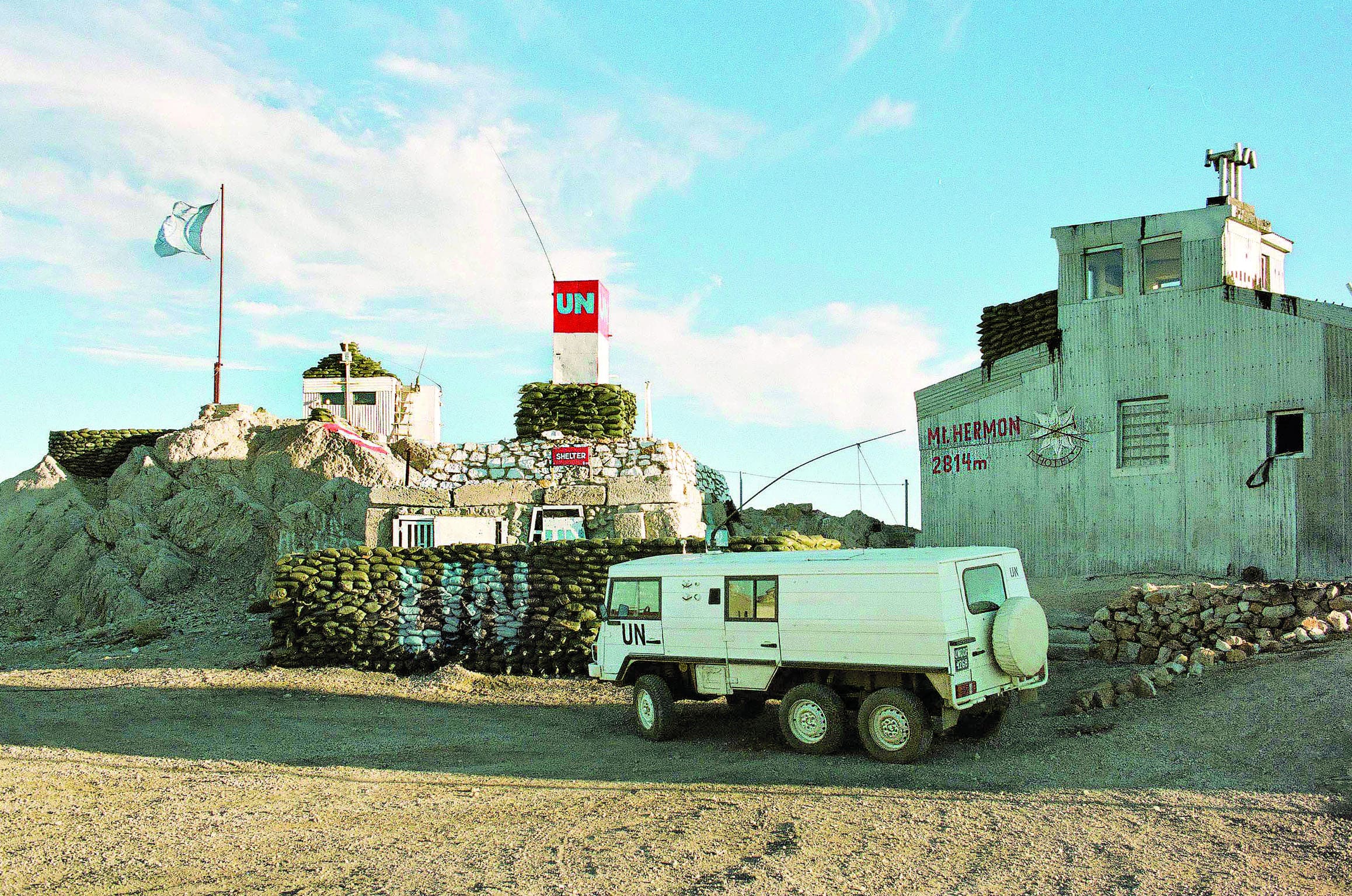
After production was discontinued, the license was awarded to the company Automotive Technique Ltd. in Aldershot, Hampshire, in England. It continued to develop the vehicle and produced it until 2007, as Walter Blasi writes in his book. “With a 5-cylinder diesel engine from VW and higher payloads, it remained a sought-after top-of-the-range product with high reliability.” As early as 2002, Automotive Technique Ltd. was taken over by Armor Holdings, which in turn was taken over by British Aerospace in 2007 and renamed BAE Systems AH Inc. In 2008, production and development was then transferred from England to South Africa to the local company British Aerospace-BAE Landsystems OMC in Benoni.
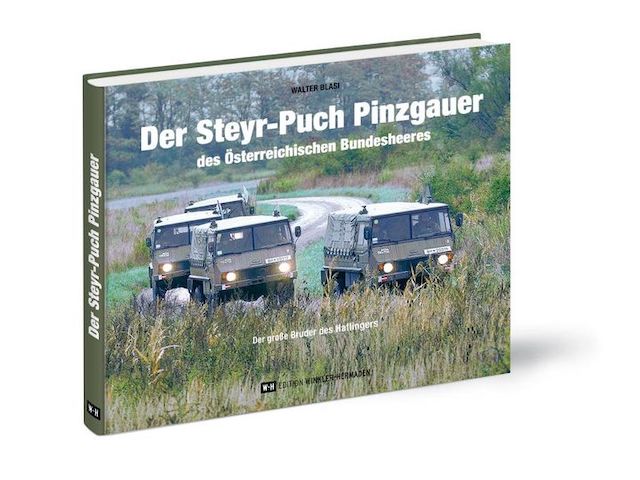 The Steyr-Puch Pinzgauer of the Austrian Armed Forces, by Walter Blasi, published in 2022 by Edition Winkler-Hermaden, 23.5 × 20 cm landscape format.
Click here to our other reports in the “Books & Media” section.