David Ertler, Managing Director of Ertler Executive, places executives and key personnel in the defense and security industry – often across borders and under high time pressure. In this interview, he explains why ex-military personnel are in demand internationally, why new tech players are breaking up salary structures and why, in the end, it’s not the product but the people that make the difference in the defense business.
Mr Ertler, your company specializes in personnel recruitment in the defence and security sector. What makes this sector so special from a recruitment consultancy perspective?
On the one hand, we are indeed very often looking for managers, but especially in the defense sector we are also looking for many key positions among them – such as Regional Area Sales Managers or Business Developers. The special feature is that defense companies almost always operate internationally. Many develop their products in one country, but sell them worldwide. As soon as an order comes in from a new region, such as Finland, Asia or Latin America, you need people who understand this market. This is exactly where we come in, because cross-border recruiting is essential in this industry.

Does this mean that traditional HR departments often reach their limits?
Absolutely. Many companies have excellent technology, but hardly any experience with markets outside the DACH region. If a sales manager is suddenly needed for Finland, Malaysia or Mexico, this is new territory for internal HR structures. We, on the other hand, know these markets, the regulatory framework and, above all, the local people. This is particularly challenging in the defense sector because the industry is highly regulated and sales cycles are very long. However, there is something else I would like to emphasize.
Namely?
We are not a competitor to HR, but a complement. In-house HR has completely different core tasks: internal processes, employer branding, personnel development, labor law issues, compensation, culture – and of course often many parallel vacancies. That’s right and important. What we also bring to the Defence context is specialization and reach: international market knowledge, access to very specific candidate pools outside the DACH region, an understanding of regulatory frameworks and the reality of long sales cycles. Especially when it comes to “difficult” markets or rare profiles, we take work off HR’s hands – and deliver speed and a hit rate without having to reorganize everything internally.
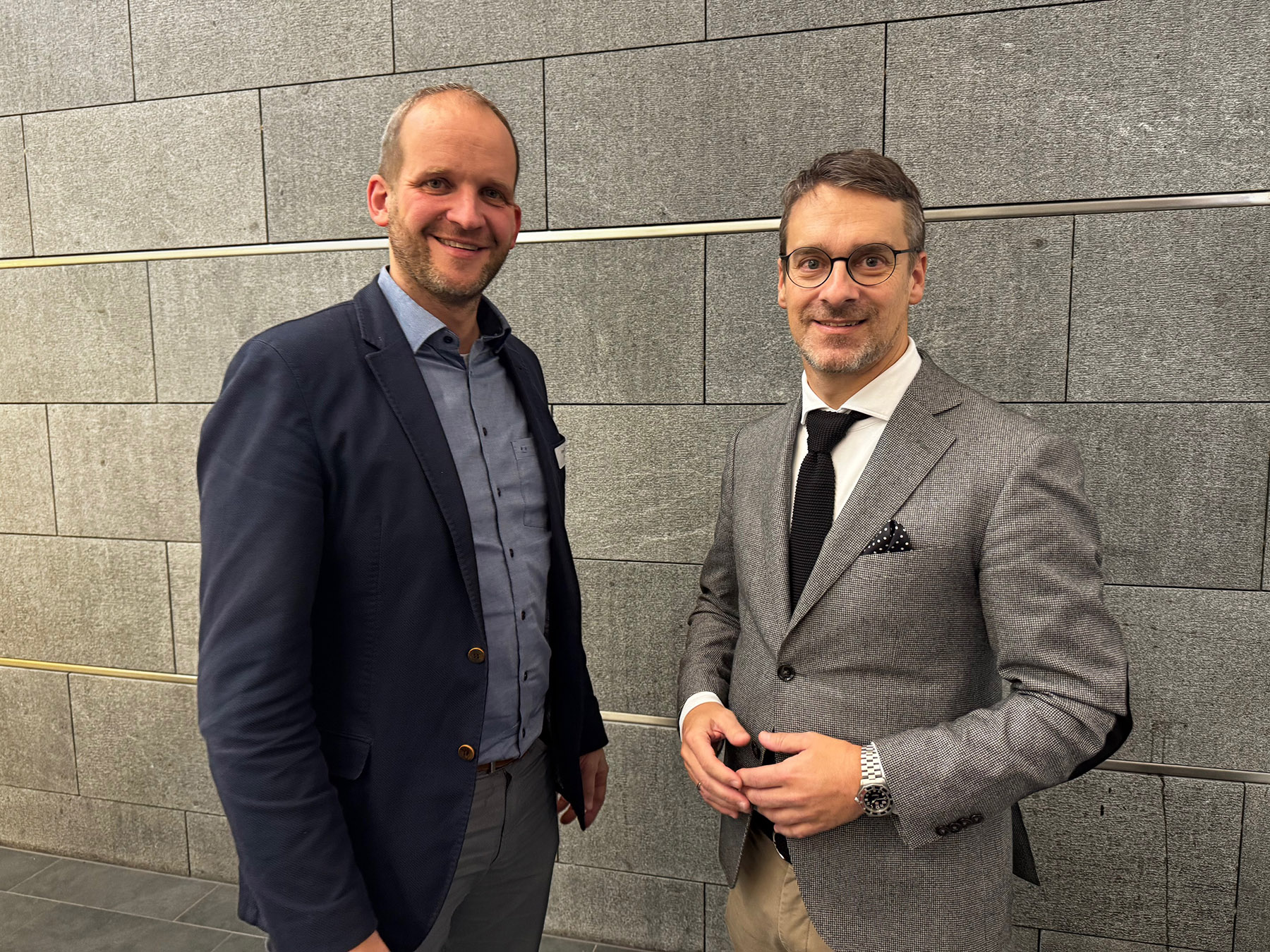
In many cases, former military personnel hold key positions in the defense industry. Why do ex-military personnel play such an important role in these positions?
In most countries, military personnel leave the system at the peak of their capabilities – often in their mid-30s. These people bring with them not only specialist knowledge, but also resilience, leadership and international experience. Those who continue to work in the defense environment after their military service remain in their core area. This is very attractive both emotionally and professionally. No one who has spent years dealing with security policy issues wants to sell random consumer goods afterwards.
How does a typical search project work for you?
First of all, we work with the customer to clarify exactly what is really needed: Market development or existing customer support, regional characteristics, partner structures. We then create a so-called market and target company mapping. We usually deliver valid candidate profiles within around 14 days. This is one of our unique selling points: Speed without loss of quality.
Two weeks to the shortlist is very fast in recruiting. How do you achieve this?
We invest massive resources right from the start. We are present at practically all relevant trade fairs, know the people involved personally and know who is willing to change – and who is not. For us, speed does not mean superficial work, but consistent focus. Others need months for a shortlist, we deliver results when the client really needs them.
Do you also support companies beyond the candidate selection process?
This depends heavily on the size of the company. Large corporations usually have very professional HR structures. In smaller, highly specialized companies, we often accompany the process right through to contract negotiations and even onboarding. As a neutral interface, we can help to avoid misunderstandings and align expectations, especially in the first few months.
Which skills are currently in particular demand from new recruits? Is there a clear trend?
Resilience is a key factor – and military personnel naturally bring this to the table. At the same time, a great deal is also shifting towards software, data and system integration in the defense sector. Nevertheless, leadership in the defense sector is not fundamentally different from other industries. Good leadership remains good leadership.
How important are soft skills in this environment?
Extremely important. Appearance, communication skills and networking are particularly important in sales, key accounts or business development. You won’t find that on any CV. That’s why we compare personalities very carefully. Not every officer automatically fits into the private sector – but those who do are often exceptionally strong.
As a former officer in the Austrian Armed Forces, you also have a military background. How has your personal career shaped your work today?
My assignment abroad in Bosnia was formative. There I experienced how open international structures can be to ideas – in contrast to the very rigid Austrian systems at the time. After my return, I realized that I didn’t want to wait decades to be able to shape things. Switching to HR was an obvious choice because I was already working in the Army Personnel Office.
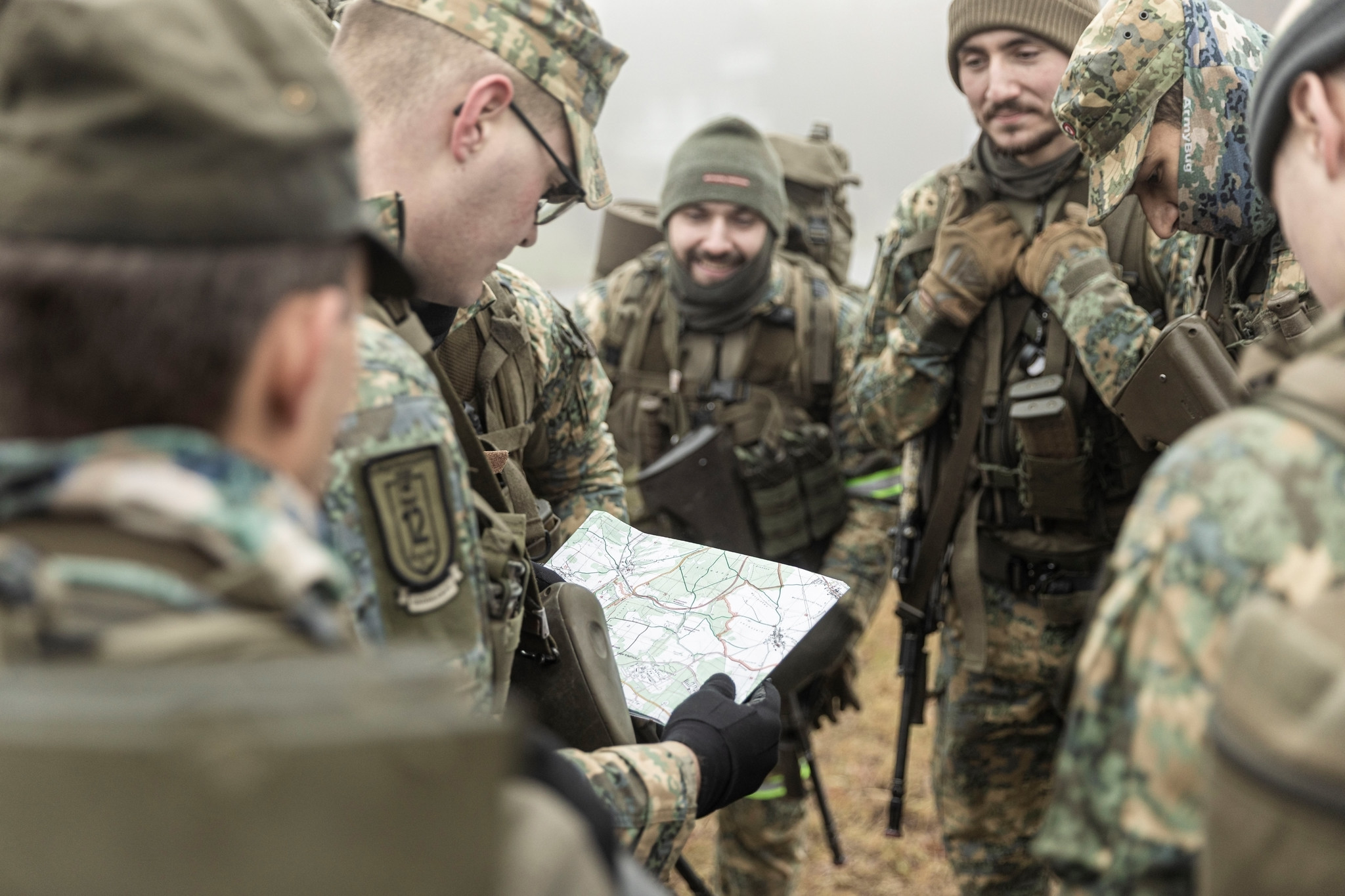
How do you assess the current situation on the labor market in the Defence sector?
There is no shortage of managers. It almost always fails due to framework conditions or the fact that people don’t fit together. At the same time, new tech players with a lot of capital are entering the market and offering significantly higher salaries. This is putting traditional industrial companies under pressure.
In what way?
Those who believe they can survive with old salary schemes will lose this competition. However, not all entrepreneurs find it easy to understand this and plan accordingly …
… because they fear that they will upset the salary level in the company with a top-paid new employee?
Possible. On the other hand, if a top-paid employee generates or enables corresponding sales, then he or she is worth the money.
Österreich steuert auf eine Verlängerung des Grundwehrdienstes zu
So what specific advice would you give companies?
You have to accept that it’s not the product that sells, but the person. Especially in the defense sector, where complex systems that require explanation are involved. Today, good people know what they are worth. Companies that recognize this early on secure the best talent – the others lose them.
Finally, what else would you like to emphasize?
I would also like to dispel a widespread misconception that the defense job market is not – as is often assumed – empty. If you know how and where to look – and if it is clear what you really need – you will find the right people. These jobs are exciting, international and meaningful. That’s exactly why there are enough qualified candidates.