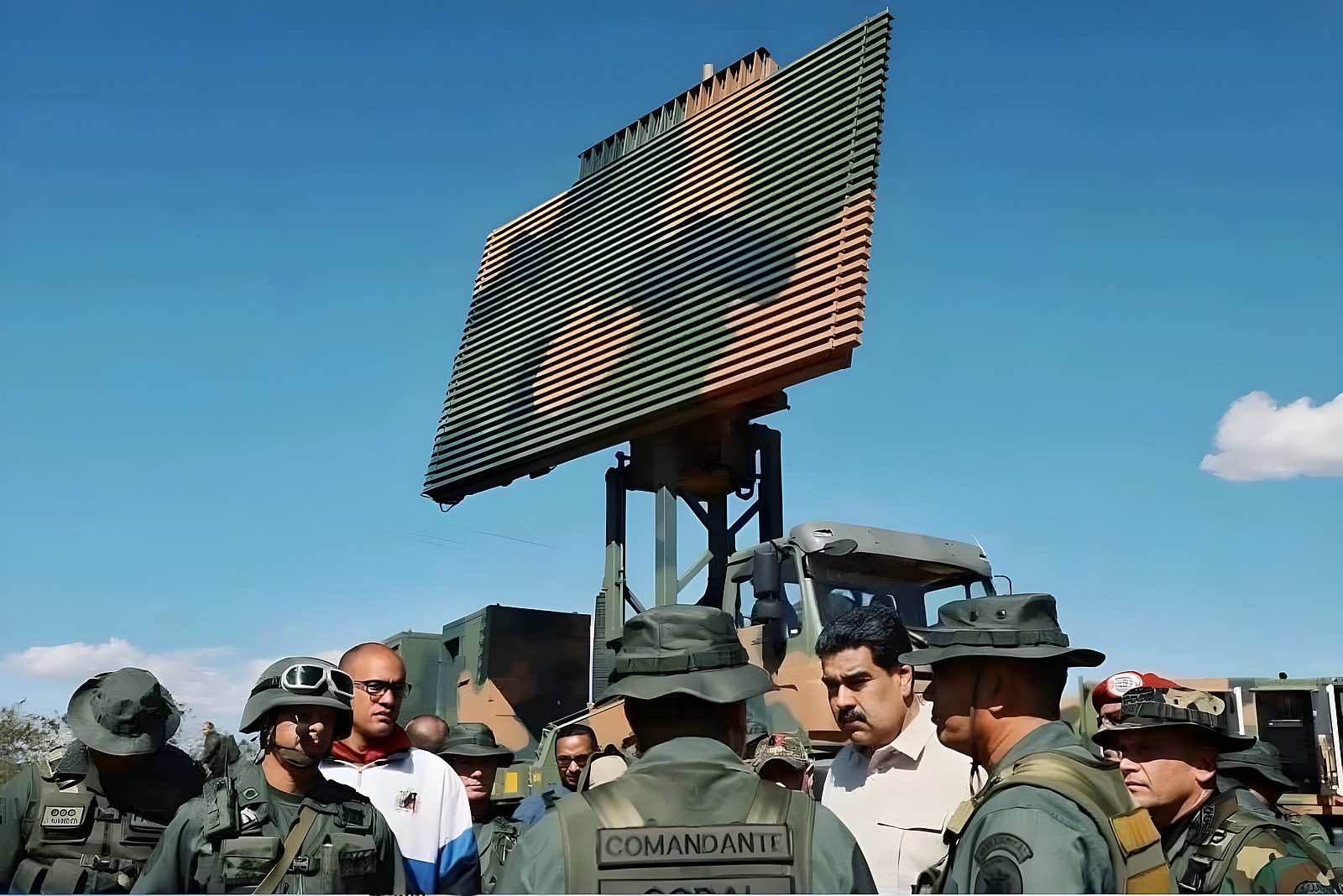
Venezuela has invested billions in an air defense network without it having any discernible effect on the US operation “Absolute Resolve” to kidnap President Nicolás Maduro on 3 January. This is not just embarrassing for the suppliers of the systems – Russia and the People’s Republic of China. The “fantastic capabilities” of their own systems, which have been announced in glowing terms for years and disseminated worldwide via a wide range of different social media channels, turn out to be pure propaganda time and time again.
The “best echeloned air defense system in South America”
Various sources in both Russia and South America regularly refer to the alleged capabilities of Venezuela’s Integrated Air Defense System (IADS). The South American country is considered the largest operator of modern Russian and Chinese military technology in the region.
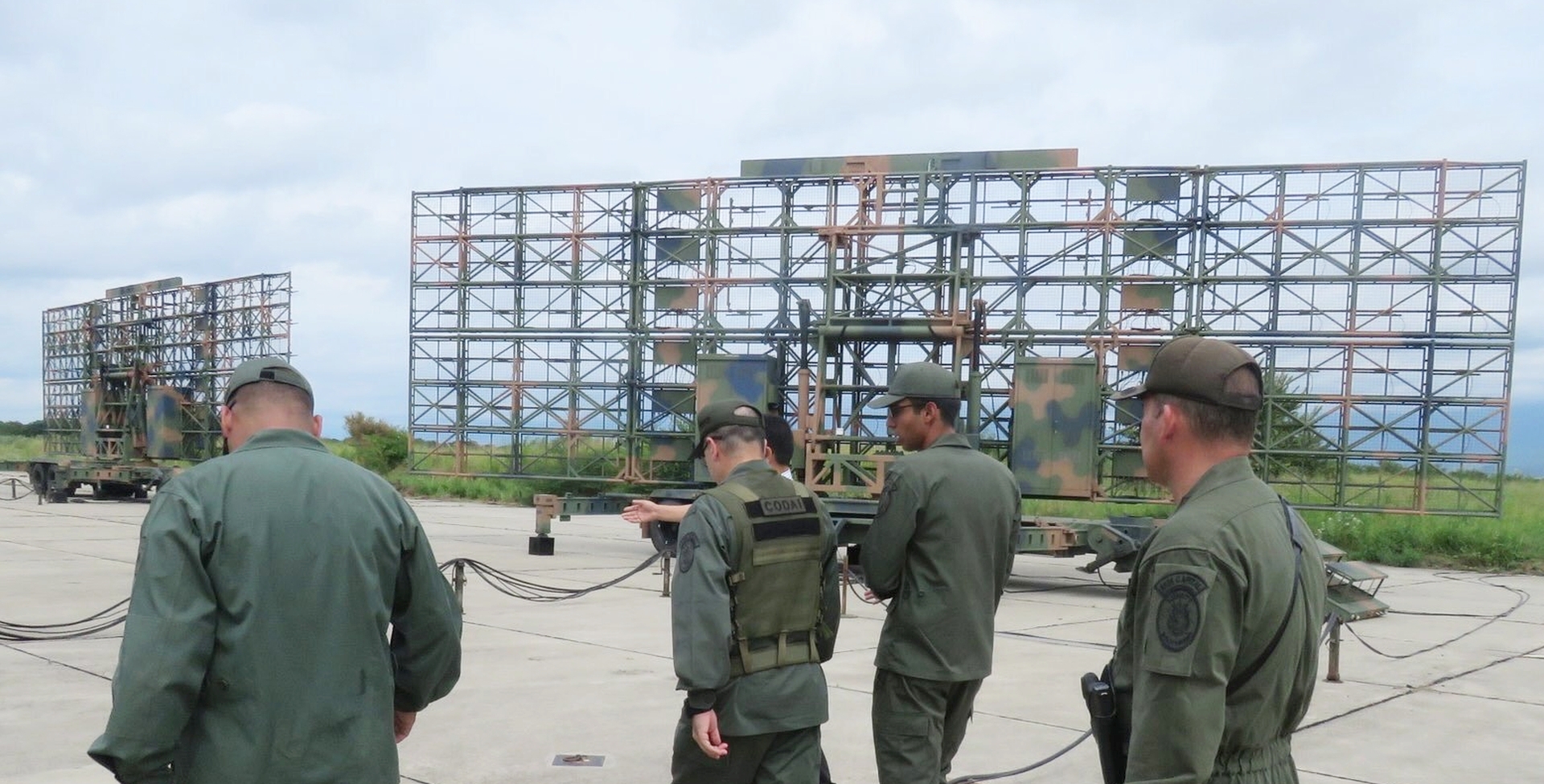
Primary responsibility for the protection of Venezuelan airspace lies with the air force, the Aviación Militar Nacional Bolivariana. There are six unified air and space defense commands (Comando de Defensa Aeroespacial Integral), each responsible for different regions. Under the leadership of the CODAI, units of airspace surveillance, combat aviation forces and ground-based air defense work together.
There are reports of eight to ten modern 3D radars of Chinese design, including the JYL-1, JY-11B and the JY-27A/YLC-18 meter-wave radar advertised as a “stealth killer” and possibly the YLC-8B. The system’s ability to detect F-22 and F-35 fighter jets from hundreds of kilometers away and to guide Russian S-300 anti-aircraft missiles to intercept them was publicly advertised.
Venezuelan air-defense system uses Chinese-developed VHF (Very High Frequency) 3D long-range surveillance and guidance radar JY-27A,which is designed to detect stealth aircraft like the F-22 and F-35. But it didn’t work, didn’t protect the nation’s president in the night of… pic.twitter.com/euJOLgOJyz
– Bin Xie (@bxieus) January 5, 2026
Since 2013, Caracas has also had S-300VM Antey-2500 long-range air defense systems supplied by Moscow. The inventory includes two units with radars and command posts as well as up to six launchers each.
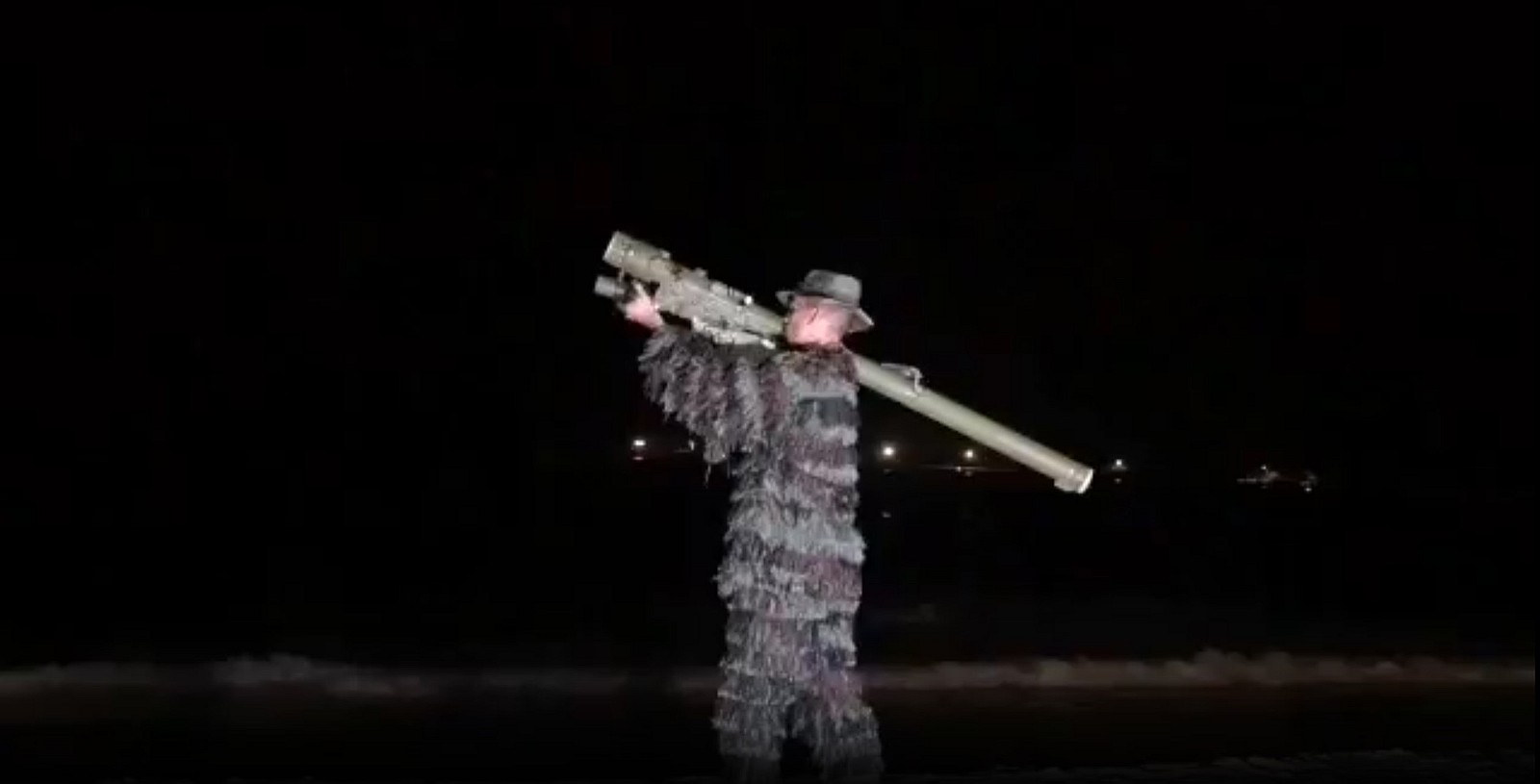
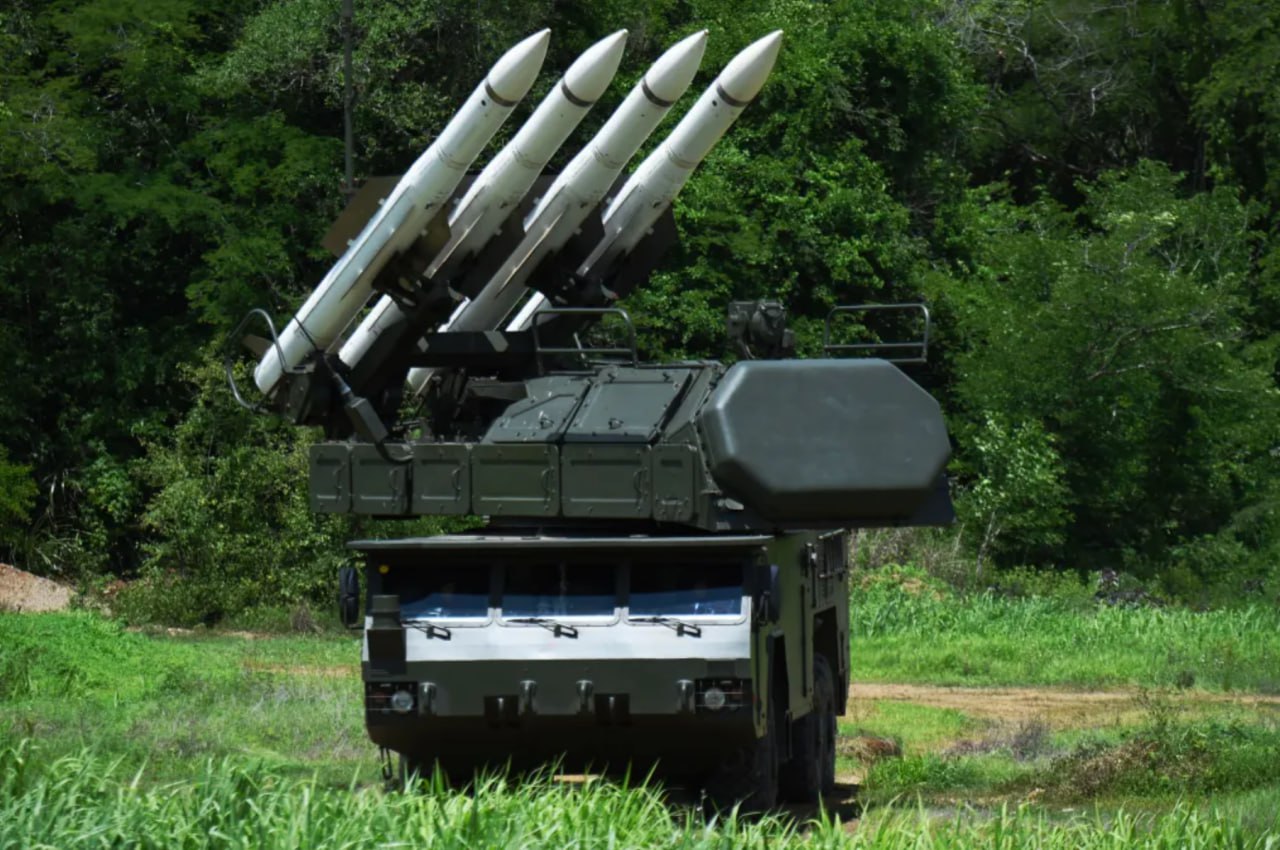
Six to twelve mobile Buk-M2E systems, ten to twelve Tor-M1s and 24 older S-125 Pechora-2Ms will also be deployed in the medium-range area. According to reports, around 5,000 modern Igla-S MANPADS (Man Portable Air Defense Systems, -> Small missiles with a big impact: What are MANPADS?) have been delivered. More recent images also show that Swedish RBS-70 air defense systems from the 1970s have been reactivated.
In the 3 hr operation to capture/arrest Maduro, US forces not only proved Russian air defense useless but also proved Chinese technology useless. This is a Chinese promo for its JY-27 “anti-stealth” radar of which Venezuela bought 9, all of failed to detect the incoming aircraft pic.twitter.com/6lfqXfIBGA
– raging545 (@raging545) January 4, 2026
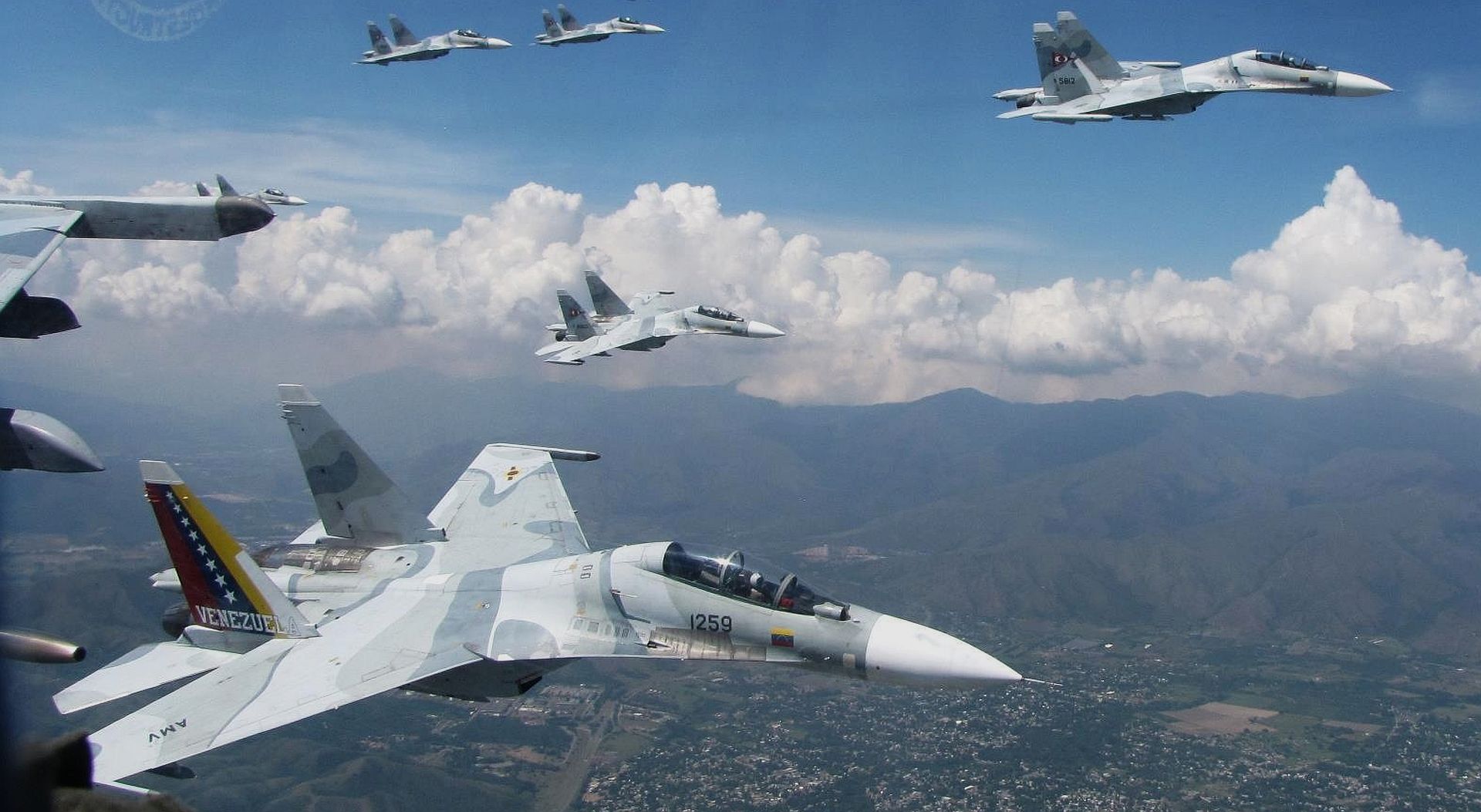
The Fuerza Armada Nacional Bolivariana has numerous small-caliber anti-aircraft systems of various types, including 23-millimetre ZU-23-2s and, according to reports, almost 260 Swedish Bofors L70-40-millimetre guns. In addition, there are over 20 Russian Su-30MKV fighter jets and a number of operational US F-16As. Two of these flew over the “USS Jason Dunham” off the coast of Venezuela in September.
Two Venezuelan F-16s armed with air-to-surface missiles carried out a low-altitude flyover of the USS Jason Dunham (DDG-109) earlier today in the Southern Caribbean Sea, as a reported “Show of Force” against the U.S. Navy. The Jason Dunham is one of several Arleigh Burke-Class… pic.twitter.com/zeQqqdG4WBq
– OSINTdefender (@sentdefender) September 4, 2025
On paper, this results in a multi-layered air defense system that should pose considerable problems for an attacker. In October, Russian commentators were still describing these capabilities as “bastions of strategic radio and electronic reconnaissance in Venezuela and Cuba”.
A US analysis paper from the autumn of 2025 attested to the regional air and missile defense system’s ability to “conduct active countermeasures in key areas for several days before the intensity decreases – rather than repelling a planned, high-intensity engagement over extended periods of time”. The Venezuelan defence minister also claimed that US F-35 stealth fighters had been successfully tracked several times by 2025 – with alleged detection ranges of over 300 kilometers, and in some cases even up to 500 kilometers. But none of this had any effect.
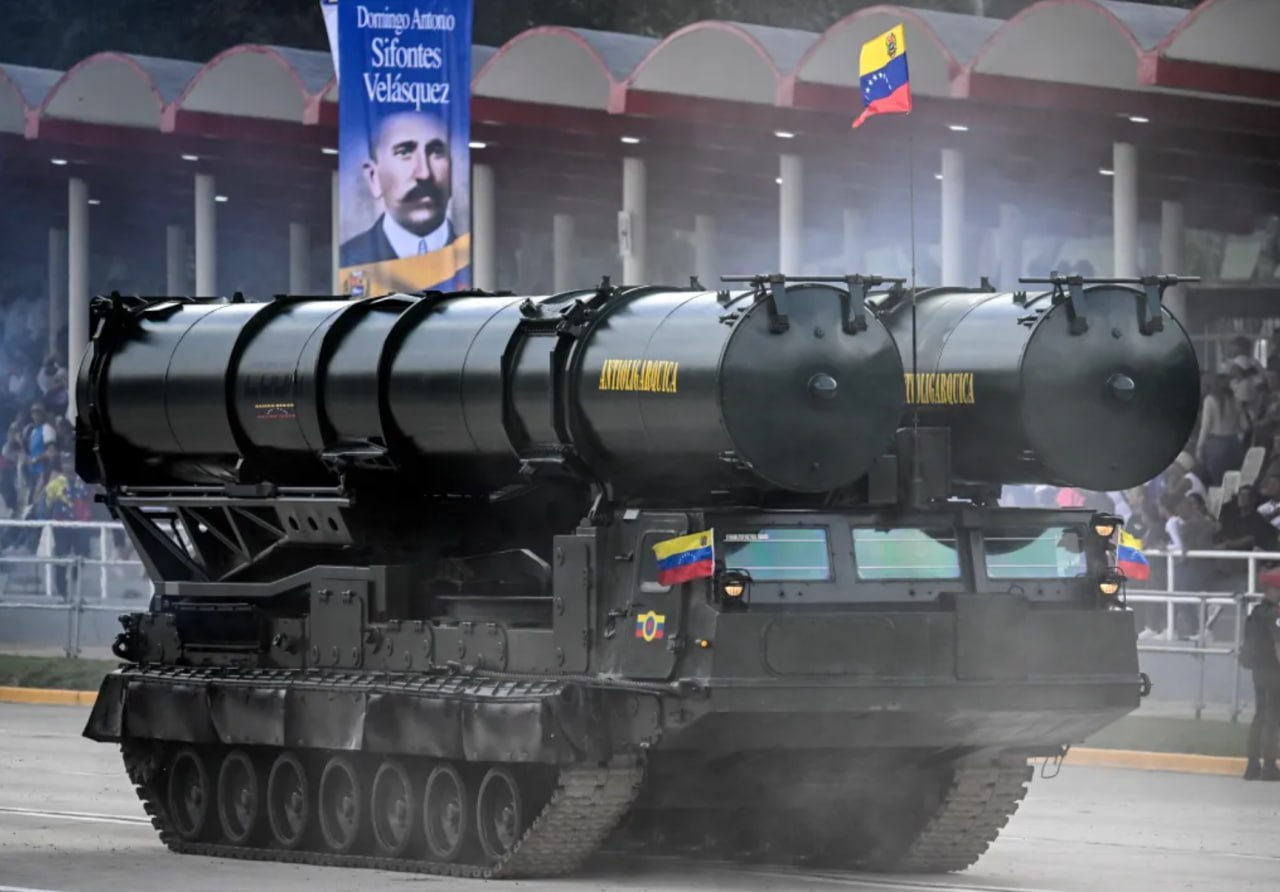
The US forces were able to quickly neutralize the facilities as part of “Absolute Resolve” and were able to deploy helicopters over the capital Caracas almost immediately. Since then, there has been speculation as to how many of Venezuela’s defense systems were actually operational and in active use.
“Absolute Resolve” – as if the Venezuelan IADS did not exist
Helicopters from the 160th SOAR (Special Operations Aviation Regiment) “Night Stalkers” spearheaded the US operation to capture Venezuelan ruler Nicolás Maduro. The MH-60M, MH-60M DAP (Direct Action Penetrator) and MH-47G helicopters deployed are specially designed for infiltration and exfiltration operations as well as close air support for special forces. Their self-protection systems are optimized for close-range threats. Successful target engagements by infrared, radar or laser guidance systems are actively jammed or interrupted, the crews are warned and approaching guided missiles are electronically deflected.
More footage of 160th SOAR (A) active in Venezuela. https://t.co/lPvlREaoKU pic.twitter.com/AgUVK1dO8c
– LatAmMilMovements (@LatAmMilMVMTs) January 3, 2026
What sounds simple requires in-depth knowledge of enemy systems: Operating frequencies, signature stability, target detection thresholds. This is based on global electromagnetic reconnaissance and the analysis of captured systems from numerous conflicts.
Extracción
A las 1:59 a.m., aproximadamente 11 helicópteros, entre ellos MH-47G Chinook y MH-60 Black Hawk, ingresaron al espacio aéreo de Caracas
Posteriormente, el grupo élite del Ejército de Estados Unidos, Fuerza Delta, ingresó a un búnker conocido como La Casa de los Pinos pic.twitter.com/ajrBBhyHNT
– Foro Militar México (@foro_militar) January 4, 2026
Engineers adapt aircraft so that they generate as few signatures as possible and conceal unavoidable emissions behind disruptive measures. This is complemented by intensive training, detailed reconnaissance and precise mission planning.
How was Maduro localized?
What is striking is the proximity of the operation to a meeting between Maduro and a Chinese delegation led by special envoy Qiu Xiaoji in the Miraflores presidential palace. Participants included Vice President Delcy Rodríguez, Foreign Minister Iván Gil and Chinese Ambassador Lan Hu. Over 600 bilateral agreements were discussed.
2026年1月2日にベネズエラのマドゥロ大統領が中国の特別使節・秋小琦氏をミラフロレス宮殿で歓迎した。日中間の「揺るぎない兄弟愛」を強調。両国は600件以上の二国間合意をレビューし、エネルギー貿易や米国による海上封鎖・海賊行為への対抗を議論、中国がベネズエラを支持pic.twitter.com/4Uzq1Q23fi
– ヴィズマーラ恵子🇮🇹 (@vismoglie) January 3, 2026
According to the BBC, Maduro was observed for months by a small team, including a source within the Venezuelan government. The elite US soldiers, who were dropped off virtually on Maduro’s doorstep by the 160th SOAR, also allegedly trained on a full-scale replica of his location.
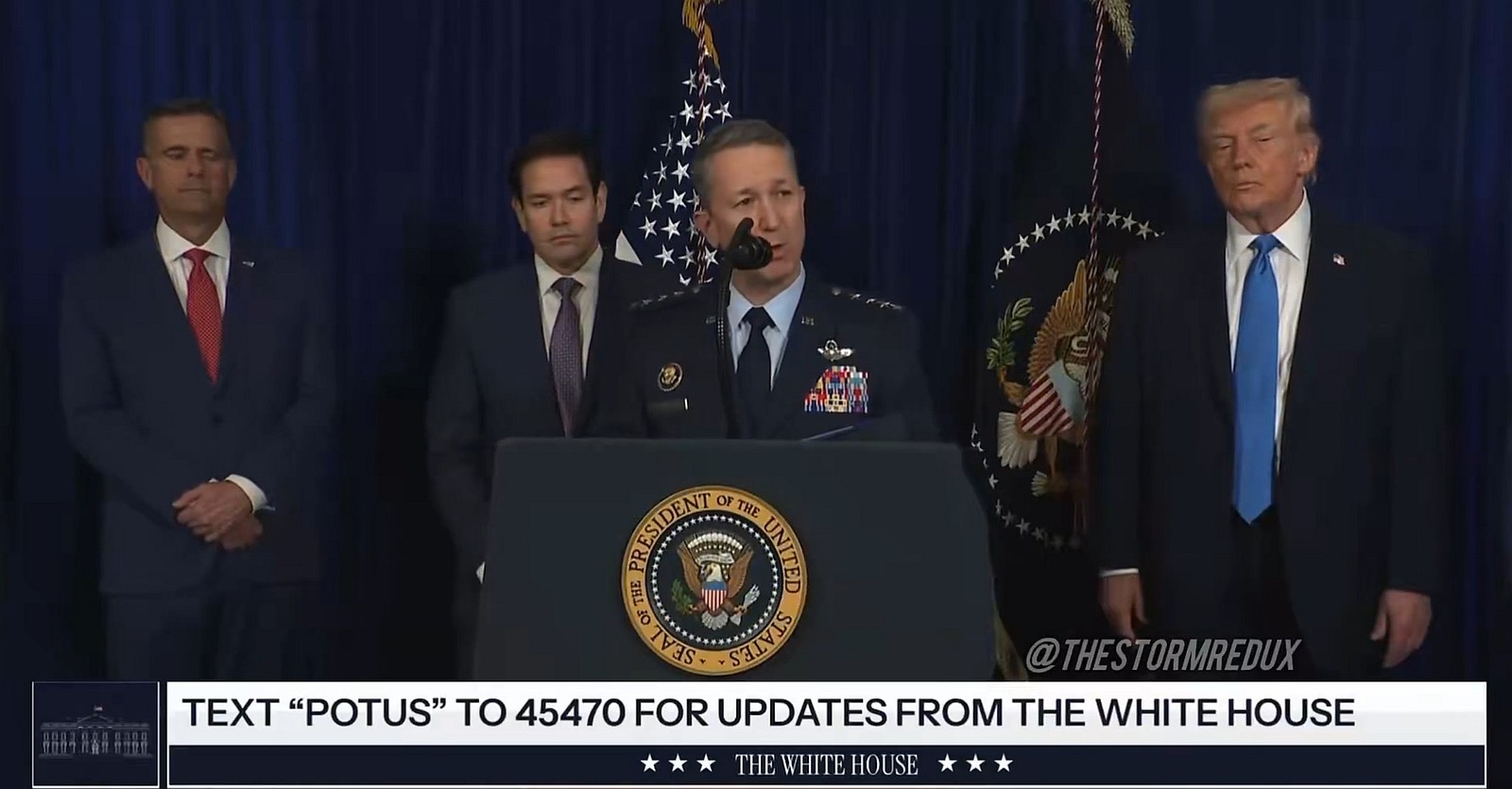
According to General Dan Caine, Chairman of the Joint Chiefs of Staff, US forces reached the property, described as a “military fortress in the heart of Caracas”, at 02:01 local time. By this time, the capital’s power grid had already been knocked out. Several US soldiers were wounded, one helicopter was damaged but remained airworthy. Among the Venezuelan forces killed are said to have been 32 Cubans. US President Donald Trump said that Maduro had recently relied on Cuban bodyguards.

In any case, the attack took place so quickly that Maduro was apparently no longer able to lock himself in a safe room. However, the US forces had also made provisions for this and were not only armed but also equipped with blowtorches. Maduro and his wife were flown by helicopter to the “USS Iwo Jima”, from where they were taken to Guantánamo Bay and on to the USA. The team was back “above water” at 4.29 a.m., said General Caine.
From the “USS Iwo Jima”, Maduro traveled to the US naval base in Guantánamo Bay, Cuba. From there, he continued by plane to Stewart Air National Guard Base in New York State and then by helicopter to Manhattan.
Is the EA-18G Growler the unsung hero?
Over 150 US military aircraft were involved in Operation Absolute Resolve. The big absentee was the Northrop B-2 Spirit bomber, which still played the main role in Operation Midnight Hammer in Iran in June 2025. In contrast, the focus was on F-35A Lightning and F-22 Raptor stealth fighters from the US Navy, the US Marines and the US Air Force, stationed in Puerto Rico.
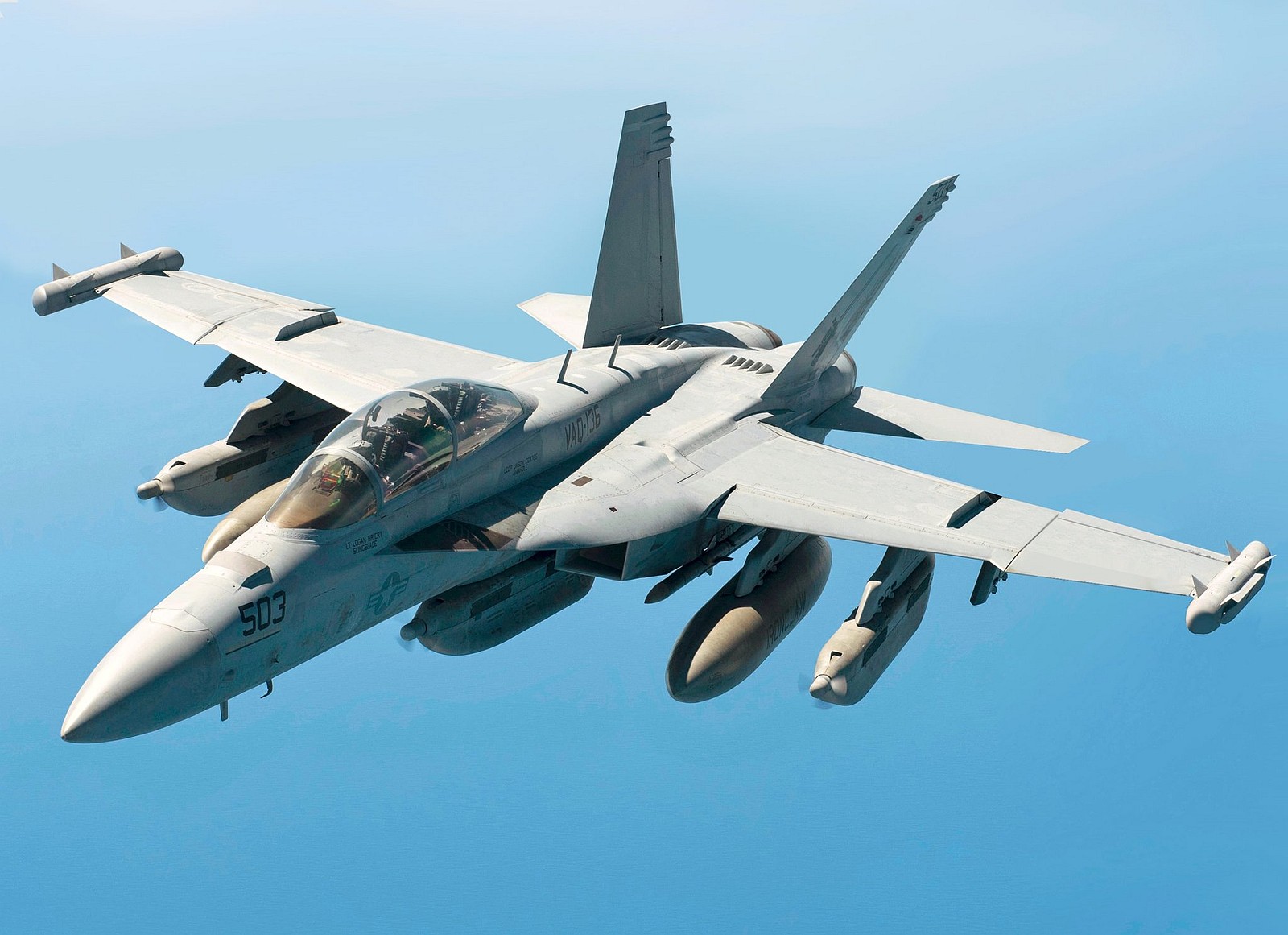
However, the US Navy proved in the first half of December that no stealth aircraft are needed to penetrate Venezuela’s air defense area when two F/A-18Fs flew into the international airspace of the Gulf of Venezuela. Behind them, just outside, was the “key master” of the operation: a US Navy EA-18G Growler. The aircraft is, of course, by no means the only asset of the US armed forces in the field of electromagnetic warfare. However, the operation is a clear indication that Venezuela’s integrated air defense network has been systematically surveyed for some time.
Due to recent developments in Venezuela, the160th Special Operations Aviation Regiment (160th SOAR) has been taking the lion’s share of the attention for their helicopter assault. However, a few people have been curious how helicopters were able to infiltrate Venezuelan airspace… pic.twitter.com/vpBkF4F7lC
– Navy General Board (@thegeneralboard) January 4, 2026
Frequencies, signal patterns, transmission strengths, response times and communication paths are systematically recorded and analyzed. However, the EA-18G is not the only system that plays a role here. The EC-130H Compass Call and the RC-135 Rivet Joint also perform similar tasks. All with the aim of “flipping the switch” in the event of a mission: In the first step, to electronically incapacitate the enemy in the area of detection and communication and, in the second step, to at least combat the ground-to-air missile systems. This happens much faster than the attacker can analyze the technical problems and complete measures to rectify them.
Anti-radar missiles and precise stand-off missiles destroy the systems before anyone is able to circumvent the malfunctions.
In order to neutralize GBAD, tge rask force had 6 USN EA-18G Growlers operating fr Puerto Rico pic.twitter.com/W5lSjXJxlf
– Geroda Rajawali (@GardaAramis) January 3, 2026
In mid-December, the US military once again increased its contingent of EA-18G Growler jets and stationed six aircraft at the former Roosevelt Roads naval base in Puerto Rico. They are believed to have played a decisive role in Operation Absolute Resolve.
Concern in Russia
Russian commentators are horrified that the US forces managed to get their hands on Maduro in an operation lasting three hours and 34 minutes and take him out of the country unharmed and without any casualties of their own.
“None of the thousands of MANPADS gunners in the Venezuelan military tried to shoot down US helicopters,” headlines topwar. And further: “In fact, the Venezuelan armed forces can hardly be described as a professional or highly motivated army. Experts agree that the US military success was not based on technological superiority, but on the complete paralysis of the Venezuelan defense system, which points to a profound internal disintegration of the elites,” it says.

As not a single shoot-down by the medium- and short-range air defense has been recorded, this seems “very, very suspicious” to some Russian commentators. This indicates “total bribery of the command of the Venezuelan armed forces”.
“The Americans flew around with their helicopters as if they were in a shooting gallery and destroyed whatever they wanted. The great warriors of Venezuela did not fire a single shot at the Americans,” writes Schneebär.
The “fate of the mixed anti-aircraft missile brigade of the Venezuelan air defense forces was pre-programmed”, it continues, as “the Venezuelan air force has neither Russian or modern Chinese early warning aircraft nor modern Su-57E or J-35A fighter aircraft”.
“The Venezuelan armed forces have shown their complete impotence. How are they supposed to fend off an invasion by the US when enemy helicopters are flying and hovering calmly over the capital and the presidential residence has been taken over by Delta?” complains Evgeny in a chat room.
“The presence of Russian air defense systems does not give us a chance of fending off an attack. There must also be the will and the willingness to fight – which the Venezuelans have not shown at all. Shame on the vanquished,” writes Alex.
And Alexandr says: “In my opinion, the Americans always wage wars like this. They buy up all the neighbors. Then they get in unhindered. Without certainty, they wouldn’t interfere for the hell of it. I wonder what our people took there the day before. Our planes went there all the time.”
D3I got a lot of “thumbs up” for the following assessment: “It can only be repeated what has already been said. They prepared competently, deceived the enemy as to location, timing and approach, carried out precise attacks and then withdrew quickly. Competent staff work, a high level of staff training and technical support – and no heroism justified after the fact.”
He is Li Yi (李毅), a top CCP political advisor and famous social influencer. After hearing the capture of Maduro by US forces,he slapped his own face and sighed:”They can even capture him from 3300 kilometers away? WTF! Shame on myself…” pic.twitter.com/36fdj6k9wV
– Bin Xie (@bxieus) January 4, 2026
“China’s strongest air defense system in South America has degenerated into an expensive decoration,” writes one Chinese commentator – and he could be right.
Here for further reports on the US armed forces.