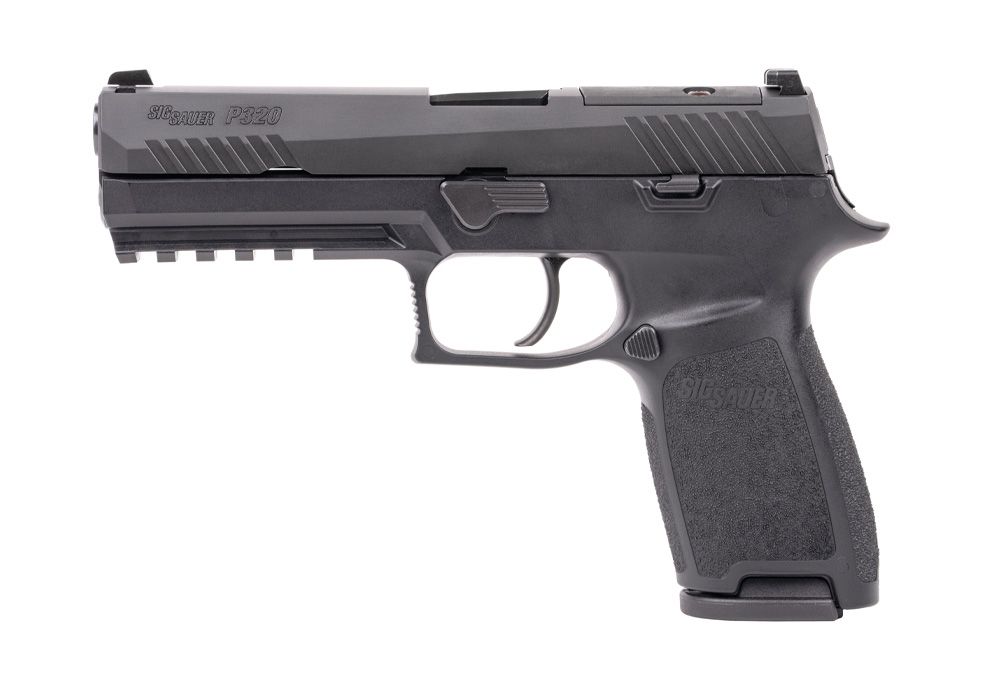
The Swiss Armed Forces is about to make a decision: By mid-December, it should be clear which model will be used to procure around 100,000 pistols in the future (-> We have already reported). In the race for the major contract is now Glock and Heckler & Koch, the SIG Sauer P320 is also on the shortlist.
The inclusion of the P320 in the selection process is causing debate: Although criteria such as reliability, safety and possible production components are regarded as decisive factors in Switzerland, there have been safety concerns about the P320 for years, which have not been overlooked in defense circles.
What is the criticism of the P320 about?
According to numerous reports and video recordings, two weak points were discovered in the P320, which are an absolute no-go for a service pistol: Originally, the P320 was accused of failing the “drop test”. This means that the pistol fired a shot when dropped – at certain angles. The company also responded to this in the past. SIG Sauer changed the design and improved older models through a voluntary upgrade program.
Critics also accuse the P320 of unintentional firing – even when the pistol was being carried in a holster. These reports led to legal proceedings in the USA and attracted considerable media attention. This circumstance – whether justified or not – weighs so heavily because a loaded pistol carried in a holster is considered the safest place for shooters to store their weapon, as the trigger cannot be pulled. Only operating errors, such as jammed items of clothing or incorrect behavior when holstering (finger on the trigger instead of “finger long”), can usually circumvent this safety function of the holster.
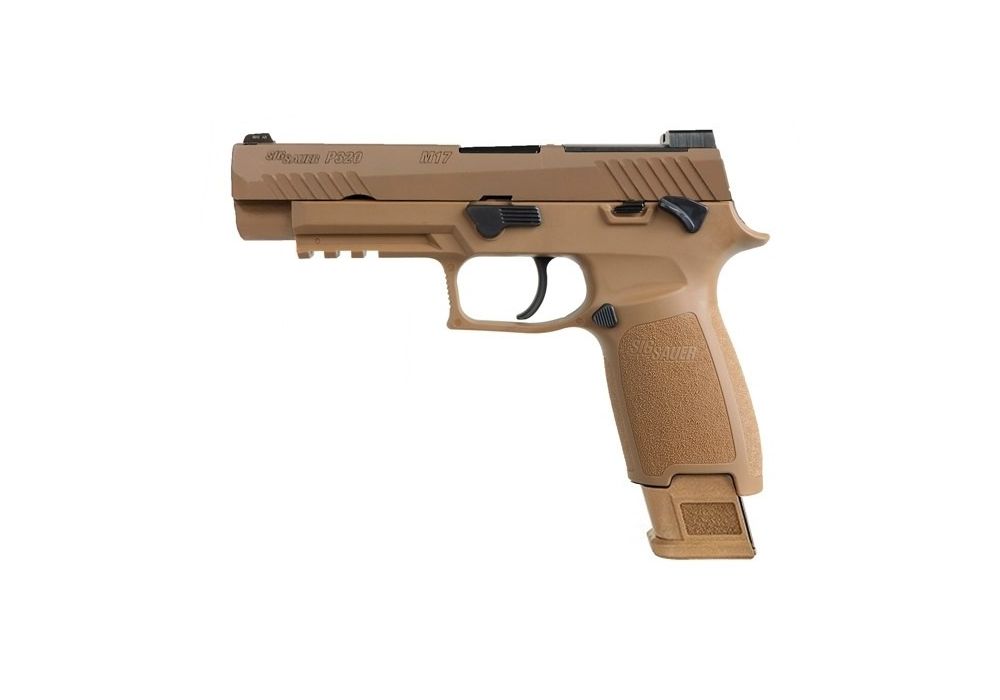
The allegations and the associated proceedings have consequences for SIG Sauer: The manufacturer defends itself vehemently and rejects technical defects as the cause. It argues that many of the documented incidents are due to incorrect operation or – as explained above – improper holstering. Nevertheless, the authorities and the public still have reservations.
Processes and interests in Swiss competition
For Swiss decision-makers, industrial and economic aspects are just as important as technology: Ideally, some of the weapons or components should be manufactured in Switzerland – this increases a supplier’s chances.
The pistol decision is therefore not only a question of safety, but also of technology, procurement policy and national added value. The tests and evaluations must show whether the P320 meets the required standards despite controversies – or whether Glock or Heckler & Koch will prevail.
Bundesheer und Wirtschaft diskutieren Resilienz: „Miliz trifft Wirtschaft“ bei A1
Outlook
With the P320 on the shortlist, the competition remains exciting. The Swiss Armed Forces must weigh up the options: Should it focus on modularity and proliferation, or on a weapon whose reliability is currently controversial? The decision should be made by mid-December at the latest.
It remains to be seen what the test results will look like and whether the occasional unintentional shots of which the P320 is accused have finally been cleared up. Interested parties, militia, police and future service personnel will be following the decision in Bern closely – because it is more than just a gun purchase.
Click here for more news about the Swiss Armed Forces.